
Fans of Japan x Tunisia create a fantastic atmosphere in Monterrey before the decisive game of the CONCACAF World Cup

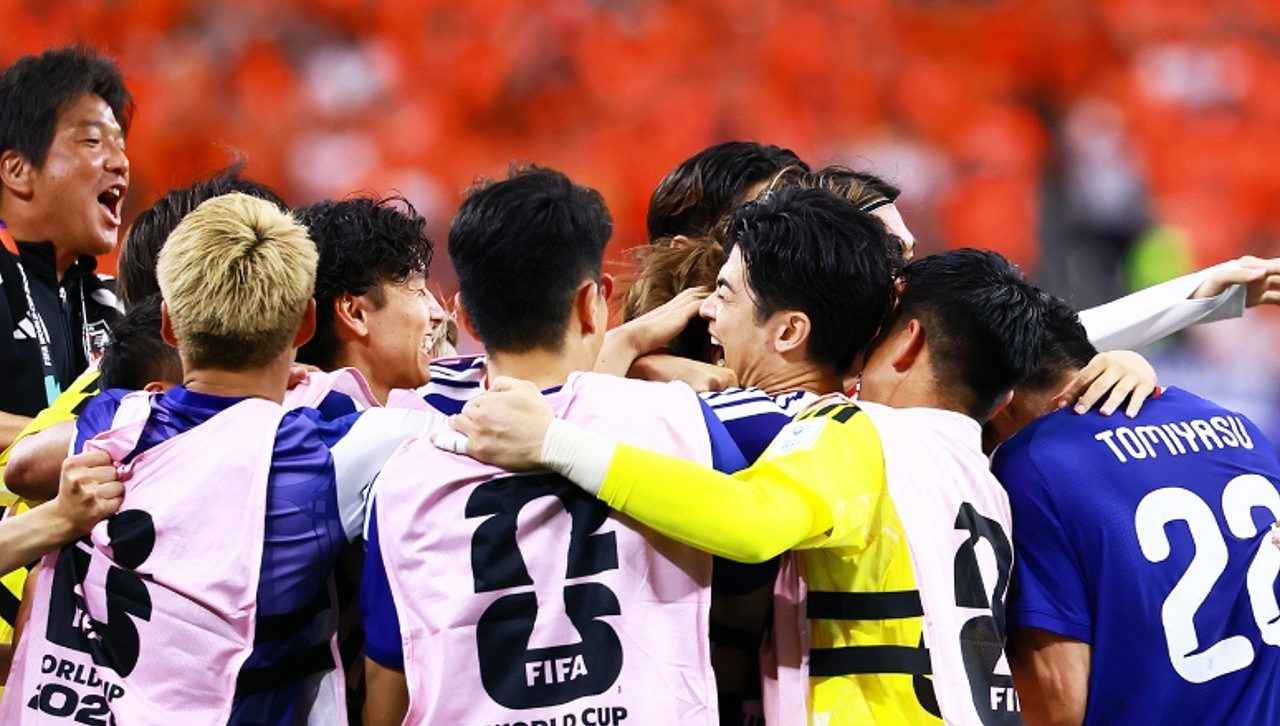
A remarkable display of unity and sportsmanship marked the streets of Monterrey, Mexico, hours before a highly anticipated football match. Fans of the Japanese and Tunisian teams gathered in a peaceful and festive manner, generating an atmosphere that quickly caught the attention of the international media. This friendly encounter, captured on video, illustrates an inspiring side of football, which transcends the natural rivalry on the pitch and promotes fraternity between different cultures.
Unprecedented fraternization between fans on Mexican soil
The streets of the vibrant city of Monterrey became a stage for camaraderie. Wearing their national team’s distinctive blue uniforms, the Japanese fans blended harmoniously with the Tunisian fans, who displayed their red shirts. The scene, unusual in high-level competitions, was a spectacle of positive interaction, characterized by smiles and gestures of goodwill.
Amid the crowd, moments of genuine unity were recorded and widely shared. Fans from both countries jointly raised a huge Tunisian flag, a gesture that symbolized peace and mutual respect in a celebratory atmosphere. Smiles and poses for celebratory photos were frequent, accompanied by handshakes and warm greetings, elements that reinforced the festive atmosphere and the absence of any animosity.
Global spotlight on fan unity
The repercussion of this event went beyond local borders, reaching a global audience through media channels specializing in sports. The official English account of the Qatari sports broadcaster “Al Kass” was one of the first to release the images. The video was published around four hours before the start of the match, at a time of great anticipation for the clash.
The caption that accompanied the “Al Kass” publication highlighted the uniqueness of what happened, highlighting the beauty of the interaction. “Tunisian and Japanese fans are creating a fantastic atmosphere together in Monterrey, just hours before their second Group F match,” the message read. This record amplified the perception that sport can, in fact, connect people from different cultures, fostering understanding and good coexistence.
The meaning of harmony between fans in international football
In the world football scenario, where intense rivalries are common and sometimes lead to friction and even conflicts between fans, the scene in Monterrey stands out as an inspiring and necessary example. The union between fans in Japan and Tunisia offers a different perspective on the passion for the sport. It shows that, even in highly demanding competitions and with teams from different confederations, cordiality and respect can prevail over competitiveness.
This type of positive interaction is especially valuable in tournaments that bring together teams from different continents, as is the case with the Japanese (AFC – Asian Football Confederation) and Tunisian (CAF – African Football Confederation) teams. The ability for fans from such diverse backgrounds to come together and celebrate each other’s cultures before a competitive clash reinforces the idea of football as a universal language. It’s not just about who wins, but also about shared experience and cultural exchange.
The history of football is full of episodes of hostility outside the stadiums, which makes the peaceful coexistence in Monterrey even more noteworthy. Such fair play behavior among fans can serve as a model for future competitions, promoting a safer, more inclusive and welcoming environment for everyone involved, from the athletes and technical committees to the millions of spectators around the world. It’s proof that the excitement of the game doesn’t need to be accompanied by animosity.
The context of the match and the CONCACAF World Cup
The match in question pitted the Japanese team against Tunisia on June 20 (June 21, Japan time), within the group stage of the “CONCACAF World Cup”, as detailed by the international press. The game was the second commitment for both teams in Group F. Although Japan and Tunisia are not part of the Confederation of North, Central American and Caribbean Football (CONCACAF), it is important to note that international tournaments and friendly matches can be organized outside the respective confederations of the participating teams for various strategic reasons.
The presence of these two nations in a tournament called “CONCACAF World Cup” on Mexican soil suggests a possible intensive preparation stage or an event with a special invitation format. High-level teams often hold exchange matches in different regions of the world to improve tactics, test new players and adapt to different weather conditions and time zones. These practices are crucial especially before major competitions, such as the FIFA World Cup, aiming for the best possible performance.
Furthermore, the organization of such games can have commercial and marketing objectives, exploring new markets and expanding the football fan base in different countries. Regardless of the exact nature of the tournament, the designation and location reinforce the globalization of football, where teams and fans travel extensively, transforming the sport into a truly universal phenomenon that transcends geographic and organizational boundaries.
The Lasting Impact of Sportsmanship in Monterrey
The image of Japanese and Tunisians side by side, celebrating sport with respect and joy, sends a powerful message that goes beyond the match score and the dispute for points in a group. In a world often polarized by cultural and political differences, the unity shown in Monterrey serves as a vivid reminder of football’s unifying potential, capable of creating bridges where many see only divisions.
This episode reinforces the idea that sport can be a robust platform for cultural exchange and for building bonds of friendship between different peoples. The international press, by highlighting this “fantastic atmosphere”, significantly contributes to the dissemination of values such as mutual respect, friendship and peace, which are essential not only in stadiums, but throughout society. The expectation is that this example will inspire other fans and communities to replicate such positive behavior, making football an even greater force for good.





