
The most striking total solar eclipse of the 21st century already has an exact date for August 12, 2026

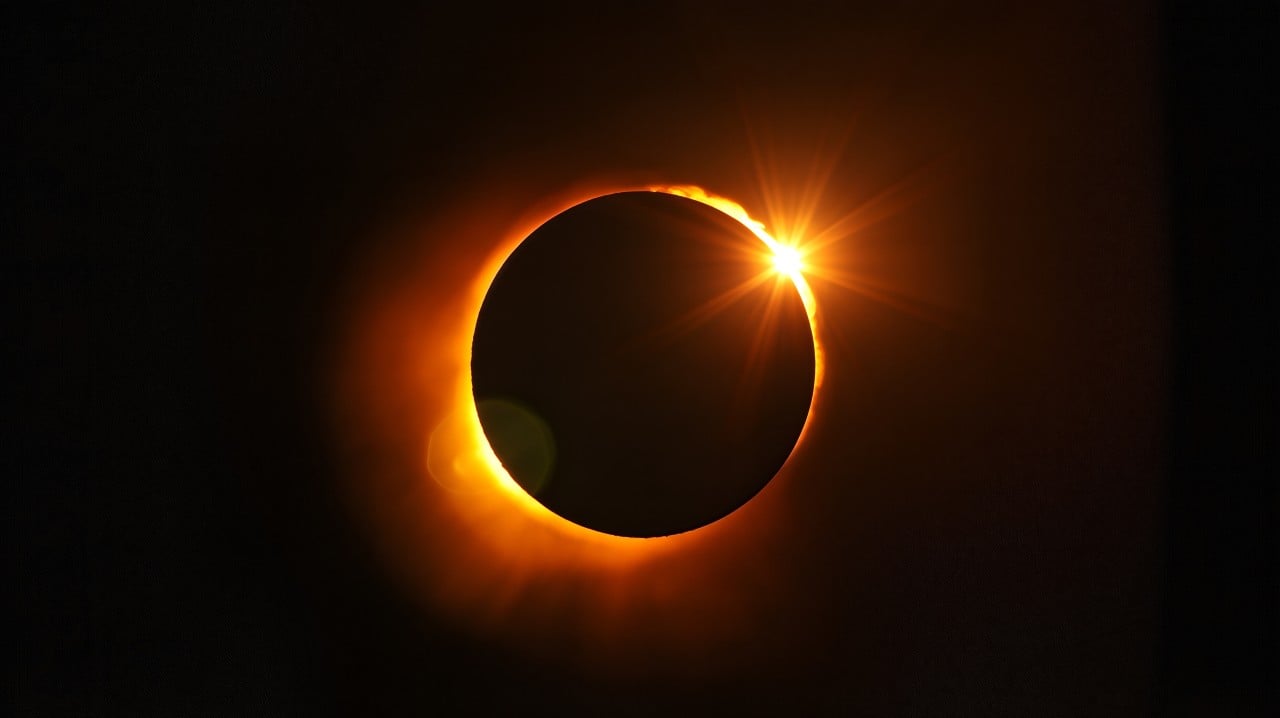
In the silence that preceded the commotion, moments before a minor eclipse, life on the street followed its usual rhythm: children on their scooters, a delivery man expressing frustration with the GPS and the sound of an eighties melody leaking from an open window. Suddenly, a simple gesture from someone pointing to the sky was enough for the entire block to freeze. The light took on a strange hue, shadows fell with piercing intensity on the floor, and the ambient temperature quickly dropped, causing a woman in her summer dress to instinctively cross her arms.
A dog began barking incessantly at the sky, while a young man next to him murmured, almost inaudible, that it looked like “a glitch in the Matrix”, describing the surreal scene that was unfolding.
This event, as peculiar as it was, represented just a small eclipse that occurred in 2024, a sample of what the sky could have in store.
Now, astronomy experts warn of the imminence of an even grander and more unique spectacle, which promises to capture global attention.
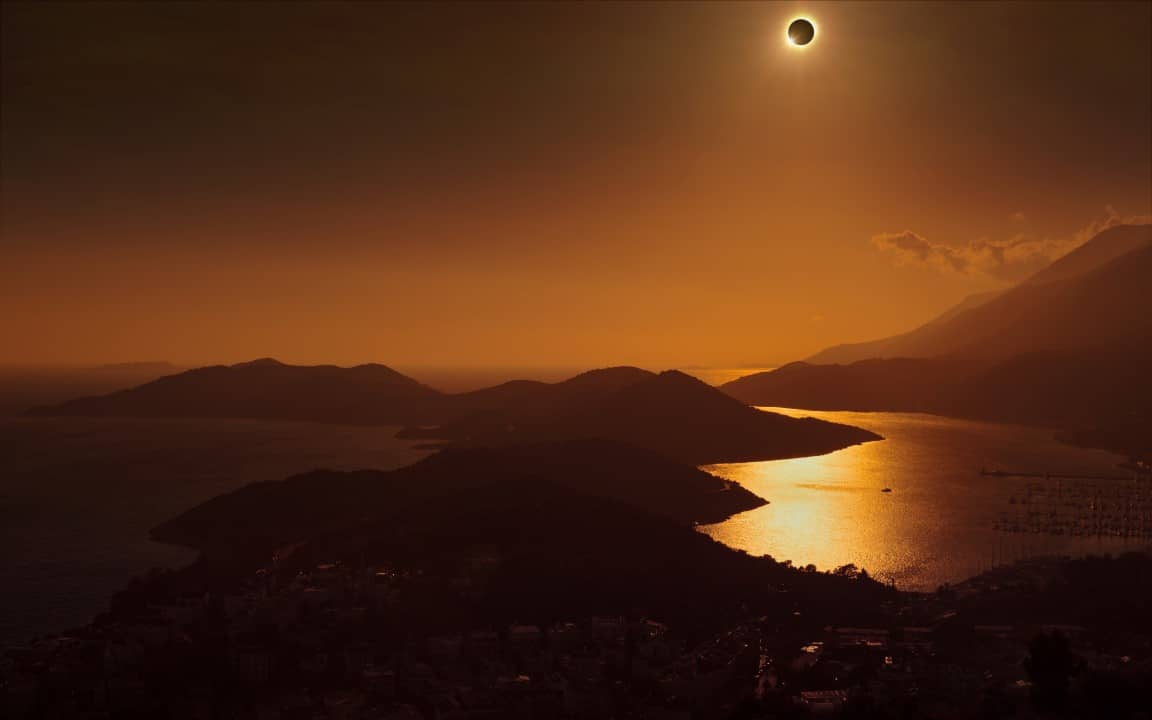
Astronomers reveal precise date for eclipse that will darken the day
The officialization, initially discreet, emerged in technical reports and presentations at scientific conferences. However, crucial information quickly began to circulate among the astronomical community: the longest-lasting total solar eclipse of the 21st century now has a definitive date and a meticulously mapped path. Far from the “sometime in the 1920s” speculation, there is a specific day and time when the Sun will disappear completely, turning noon into a brief and unexpected midnight for millions of individuals.
The atmosphere at observatories has changed considerably, with a notable increase in interest and data research. Consequently, the number of searches related to the phenomenon on platforms such as Google has skyrocketed, reflecting growing public curiosity.
With confirmation assured by several international research institutions and celestial monitoring teams, the date is firmly established: August 12, 2026. On that day, a total solar eclipse will draw an impressive trajectory over several regions of the Northern Hemisphere. From isolated valleys to large urban centers, a thin line on the map will witness an almost unreal scenery: birds falling silent, planets shining in broad daylight and the ethereal solar corona revealing itself around a perfectly black lunar disk.
Throughout this band of totality, the period of maximum darkness will exceed three and a half minutes. Although it does not set an absolute duration record in the history of eclipses, its exceptionality for this century lies in the unique combination of its length, comprehensive visibility and the number of people on its route, making it one of the most important events for observation and study.
Scientists express remarkable enthusiasm when discussing this phenomenon, recognizing that eclipses are manifestations of “celestial clockwork” and not miracles. However, this particular event hits a sweet spot. The Moon’s orbital geometry, exact timing, and distance from Earth align in an unusual way. The Moon’s proximity to the mean, the Earth’s precise angle, and the Sun’s apparent “collaboration” transform a regular astronomical event into a milestone for the 2000s.
Behind all the beauty of the phenomenon is mathematical precision: ephemerides calculated with millisecond precision, laser measurements of the lunar orbit and decades of technological improvement.
The result of this advanced science is clear: now, experts can announce, without any margin for error, the exact moment when daylight will give way to nighttime darkness.



