
Record heat hits Europe and France bans alcohol amid scorching temperatures

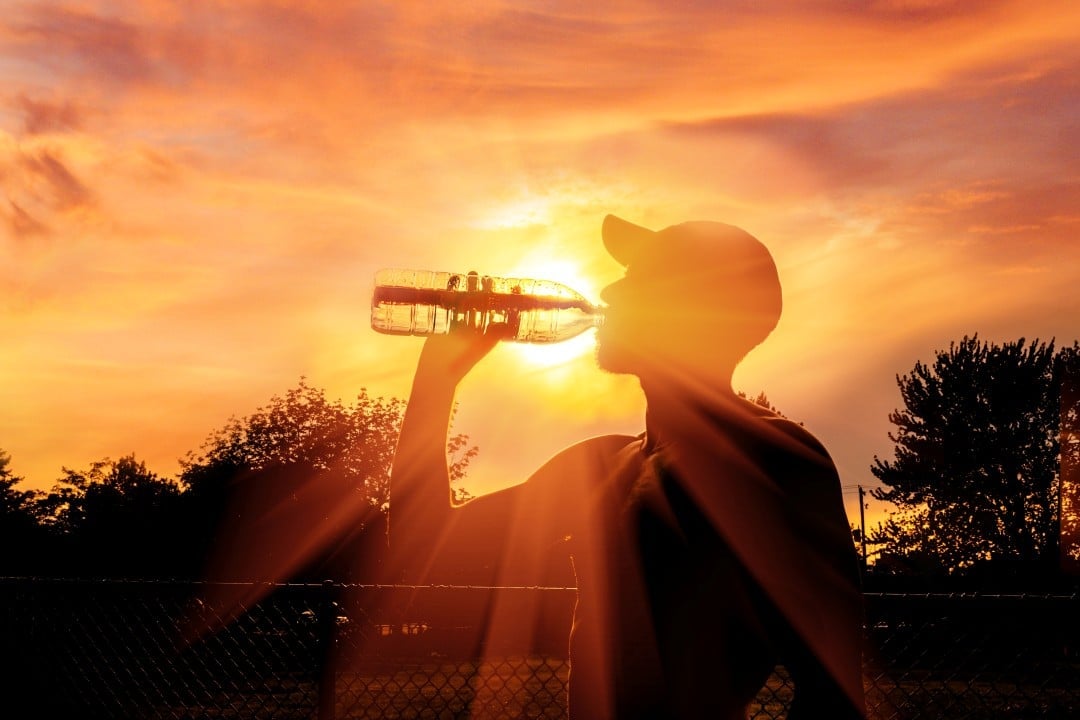
With Europe immersed in an intense heat wave that raises thermometers to unprecedented levels for the period, France took the drastic measure of partially banning the consumption of alcoholic beverages. The decision aims to protect the population from health risks in a scenario where temperatures reach 39ºC to 40ºC in several regions of the country, especially in the southwest. Authorities are seeking to minimize the effects of extreme heat, which is already causing a series of concerns across the continent.
Alcohol ban in France to mitigate risks
Faced with a scenario of extremely high temperatures, the French government imposed a partial ban on alcohol consumption in 35 of its 96 departments or regions. This strict measure, in force since Sunday, seeks to combat the worsening risks of dehydration and other health problems associated with alcohol consumption in conditions of extreme heat. Public health experts warn that alcoholic beverages can accelerate the loss of body fluids and compromise the body’s ability to regulate its own internal temperature.
Red alerts and impact on several European nations
In addition to France, other European nations are also facing the challenges posed by the heat wave. Germany, for example, issued warnings throughout its territory, advising the population about the dangers of prolonged exposure to the sun and the importance of hydration. In Spain, concern for the well-being of citizens led to the closure of an area designated for football fans, to avoid crowds and incidents related to intense heat. These actions reinforce the seriousness of the climate situation that is spreading across the continent, requiring quick responses from the authorities.
The dangers of dehydration amid record heat
The main risk associated with a heat wave like the one hitting Europe is severe dehydration, which can lead to severe exhaustion and heatstroke. At temperatures above 35°C, the human body needs to work much harder to maintain its internal temperature, resulting in excessive sweating and significant loss of mineral salts and water. Ingestion of alcoholic beverages, due to their diuretic effect, aggravates this process, accelerating fluid loss and increasing the burden on the cardiovascular and renal systems, which can be fatal, especially for risk groups such as the elderly, children and people with chronic diseases.
Heat waves: a recurring phenomenon and its climate challenges
Heatwaves are not a new phenomenon in Europe, but their frequency, duration and intensity have grown in recent decades, raising concerns about global climate change. The continent has recorded severe events in recent years, such as the devastating heat wave of 2003, which caused tens of thousands of deaths, and other more recent record-breaking summers. Climate experts and scientists point out that the recurrence of extreme temperatures requires not only short-term emergency measures, but also long-term planning to adapt cities and infrastructure. This includes developing more effective warning systems, creating cooler public spaces and promoting sustainable building practices, ensuring population resilience. Europe thus finds itself in a race against time to mitigate the impacts of a constantly warming climate and protect its inhabitants.
Guidelines for the population during the period of high temperatures
Given the persistence of intense heat, it is essential that the population adopt preventive measures to protect their health and avoid serious complications. Health authorities reinforce the importance of following some basic guidelines to get through this period more safely, minimizing the risks associated with high temperatures:
- Stay hydrated by drinking plenty of water and natural juices, even if you don’t feel thirsty.
- Avoid direct exposure to the sun, especially between 10am and 4pm, when UV rays are most intense.
- Wear light, light and loose clothing, made from fabrics that allow perspiration.
- Look for cool and ventilated environments; use fans or air conditioning if possible.
- Reduce the intensity of outdoor physical activity and avoid heavy exercise during peak heat.
- Pay attention to children, the elderly and people with chronic illnesses, who are more vulnerable to the effects of heat.
By following these simple precautions, citizens can make a significant contribution to their own safety and collective well-being, helping emergency services that are already overwhelmed in many parts of Europe.





