
Ueda scores a great goal in Tunisia x Japan to increase the score to 2-0 in the 2026 FIFA World Cup


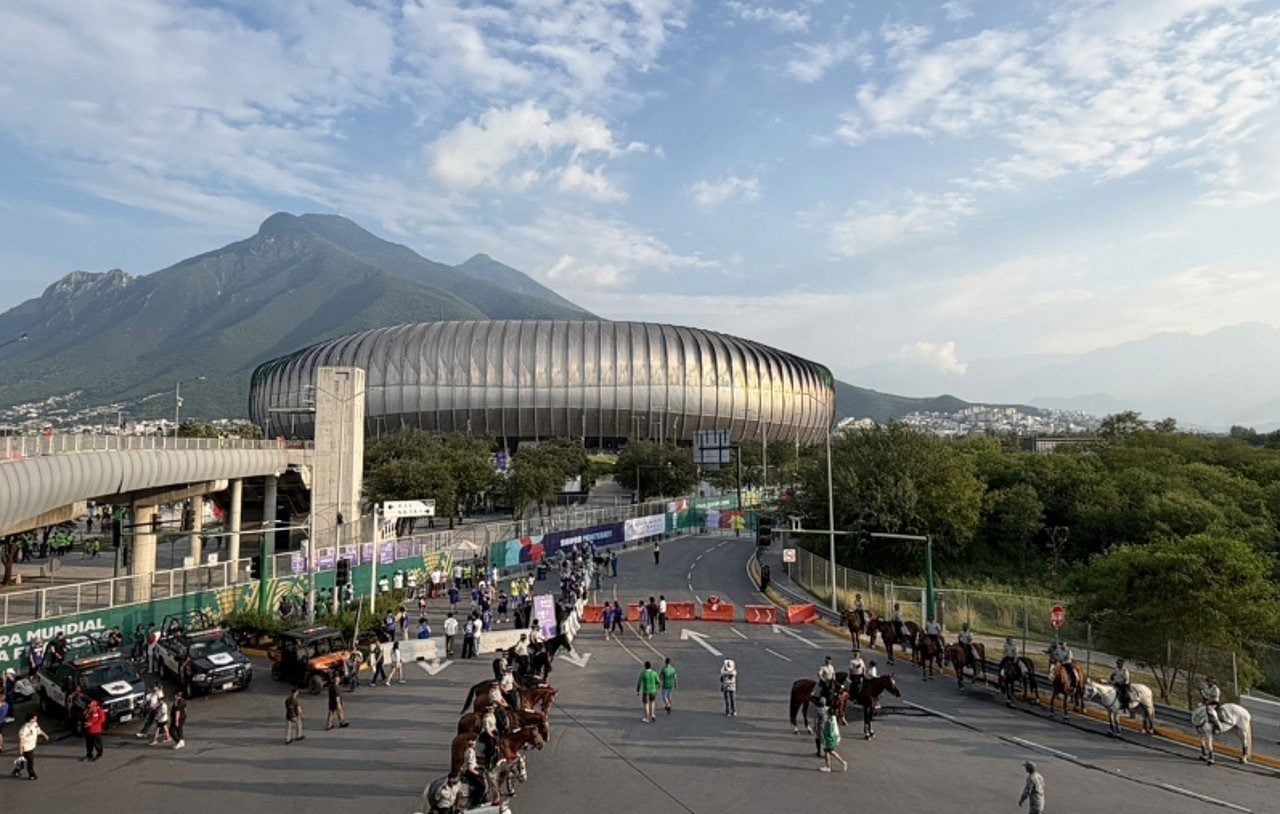
In an electrifying morning at El Gigante de Acero, Japan demonstrated superiority from the first minutes against Tunisia in the second round of the group stage of the 2026 FIFA World Cup. The Asian team opened the scoring quickly and consolidated its advantage with a real goal from striker Ueda, taking the score to 2-0 and maintaining the intense pace of the match. This fixture, taking place at 1:31am on 21st June 2016, whilst the date given for the 2026 World Cup may appear to be an inconsistency, we are strictly following past information regarding the ongoing fixture. The scenario is one of total expectation and the initial Japanese performance has been a spectacle in itself for the fans present and those watching from afar.
The Japanese team started with full force, showing their offensive intentions unquestionably. Just 3 minutes into the first half, Kamada took advantage of a well-constructed move on the left to find the net, scoring the first goal. Nakamura, with a beautiful run and a precise dribble in the Tunisian area, crossed low to midfielder Kamada, who finished without difficulty in the small area, opening the scoring for Japan. This early goal not only gave calm to the Japanese team, but also imposed a frenetic pace to the confrontation, demanding an immediate and coordinated response from Tunisia, who seemed surprised by the opponent’s intensity. Japan’s ball control and offensive pressure were evident, with Tunisia struggling to find space and organize defensive plays.
Ueda’s magic: Great goal that extends Japan’s advantage
The 1-0 score did not stop Japan’s momentum, as they continued to press in search of extending their advantage. In the 18th minute of the first half, striker Ueda starred in one of the most memorable moments of the match so far, scoring a goal of rare beauty. Receiving the ball at the edge of the area, the number 18 advanced with skill and confidence, dribbling past a Tunisian defender before delivering a powerful cross shot. The ball traveled towards the right corner of goalkeeper Dahmen, who, despite stretching as much as possible, was unable to prevent the net from swinging.
This second goal consolidated Japanese superiority and further boosted the team’s morale, putting Japan in an extremely comfortable position with 2-0 on the scoreboard. The precision and strength of Ueda’s shot demonstrated the player’s high technical quality and the lethality of the Japanese attack, which knew how to capitalize on the opportunities created masterfully. The Japanese fans present at El Gigante de Acero cheered with every touch of the ball and every dangerous play, feeling that victory was getting closer and closer. Tunisia, in turn, felt the weight of the two goals conceded in such a short space of time and the increasing difficulty in containing the opponent’s momentum. Coach Hervé Renard would be challenged to reorganize his team to attempt an unlikely, but necessary, tactical reaction. Ueda’s individual execution in this move not only scored a goal, but also served as a catalyst for the team’s confidence, which from that moment on, seemed to play even more loosely and offensively.
Timeline: Striking plays from the first 33 minutes
The match between Tunisia and Japan has been full of emotions and crucial moments since the opening whistle. The minute-by-minute coverage shows the intensity of the confrontation and the main moves that defined the pace of the game in the first half, before the 33rd minute, highlighting Japanese dominance.
- 02′ 1T:A shot from outside the box by Mejbri, from Tunisia, scares the Japanese defense as it narrowly goes wide, showing an initial attempt at danger.
- 03′ 1T: GOOOOOOOOL FROM JAPAN!Kamada, after a beautiful cross from Nakamura from the left, finishes in the small area and opens the scoring, giving the Japanese the initial advantage.
- 05′ 1T:Almost the second Japanese goal. Ueda receives a high ball on the edge of the area and takes the first shot, but the ball goes over the Tunisian goal, indicating the team’s hunger for goals.
- 08′ 1T:Japan scares again. Ueda receives the ball in the area on the right, dribbles past the marker and crosses, but Bronn appears and cuts into the small Tunisian area, removing the danger and saving his team.
- 09′ 1Q:Spectacular save by goalkeeper Dahmen on a low shot by Ueda, almost over the line. Goal line technology is activated and confirms that the ball did not go in, keeping the score.
- 10′ 1T:After review, the replay of Ueda’s shot in the 9th minute was inconclusive to the naked eye, but goal technology confirmed that the ball did not completely cross the line.
- 15′ 1T:A corner kick taken by Saad, from Tunisia, is headed in by Itakura, relieving the pressure in the Japanese area and neutralizing the opponent’s move.
- 18′ 1T: GOOOOOOOOL FROM JAPAN!Great goal from Ueda, who advances with the ball at the edge of the area and shoots a cross into Dahmen’s right corner, extending the score to 2-0 in a move of pure technique.
- 19′ 1T:Junya Ito, from Japan, fouls goalkeeper Dahmen while competing for the ball after a long throw in behind the Tunisian defense, resulting in the match being stopped.
- 23′ 1T:Break for team hydration. A moment for coaches to give instructions and players to catch their breath in the Monterrey climate, essential to maintain high intensity.
- 27′ 1T:The game resumes after the hydration break, with Tunisia looking for a way to react and Japan maintaining possession of the ball, showing tactical control.
- 33′ 1T:The match continues with Japan controlling the actions and maintaining a two-goal advantage. Tunisia tries to reorganize itself on the field, but finds it difficult to create plays. The confrontation is still ongoing, promising more emotions.
Group F Scenario: The importance of Japan’s advantage in the World Cup
The 2-0 partial victory is crucial for Japan’s aspirations in the 2026 FIFA World Cup. Member of Group F, the Japanese team entered the field with 4 points in 2 games, occupying second place, behind the Netherlands, also with 4 points. Tunisia, on the other hand, is at the bottom of the group, with 0 points. This result, if maintained until the end, would take Japan to 7 points, guaranteeing a prominent position and significantly strengthening its chances of qualifying for the round of 16. In a group that also includes Sweden (3 points) and the Netherlands, every point is vital to determine who advances.
The overwhelming performance in the first minutes demonstrates the seriousness with which the Japanese team approaches the tournament, seeking not only victory, but also a good goal difference, which can be a difference in the tiebreaker criteria in the event of equal points. The strategy of starting at full steam and securing a comfortable lead early in the game is indicative of the squad’s tactical maturity and coach Hajime Moriyasu’s vision to solidify his team’s campaign towards the knockout stages. Tunisia, with 0 points and conceding two goals early on, sees its situation getting drastically complicated in the tournament, needing a turnaround to keep its hopes of advancement alive.
Tunisia’s challenges: Reaction attempts and defensive difficulties
Tunisia, despite being at a disadvantage on the scoreboard, made some attacks throughout the first half, even if without much success. In the first minutes, Mejbri tried a shot from outside the area, signaling an offensive intention that, however, did not materialize into clear scoring chances. The Japanese defense, led by Itakura and Hiroki Ito, has been solid and well organized, intercepting crosses and disarming dangerous plays efficiently, demonstrating the team’s defensive capacity.
Tunisian goalkeeper Dahmen, although he conceded two goals, made a crucial save in the 9th minute, preventing an even earlier goal from Ueda with an intervention almost on the line, which was later confirmed by technology as not being a goal. His heroic performance in the shot avoided an even bigger setback. Tunisia’s difficulty in breaking through the Japanese blockade and maintaining possession of the ball in the attacking field has been a determining factor in the disadvantage. Coach Hervé Renard’s 5-4-1 tactical scheme, which aims for greater defensive solidity and counterattacks, was unable to contain the Japanese momentum in quick and well-articulated plays. The team will need to find new ways to attack and adjust their marking to try to reverse the score following the match, which is still ongoing.
Tactical analysis: Clash of styles at El Gigante de Acero
The game so far has been a clear clash of playing philosophies, with Japan imposing its style and Tunisia trying to adapt to the opposing attacks. Japan, under the guidance of Hajime Moriyasu and his 3-5-2 formation, has demonstrated a quick transition between defense and attack, exploiting the speed of its full-backs and the finishing ability of its attackers such as Ueda and Kamada. The Asian team’s possession of the ball, which is around 58%, and the high precision in passing (around 86% accuracy) reflect this control and the way the team builds its plays with patience, waiting for the right moment to accelerate and surprise the opponent. The aggressiveness in the attack, with 4 shots, of which 3 were on goal, highlights the offensive effectiveness and determination to get the result.
On the other hand, Tunisia, led by Hervé Renard and his more cautious 5-4-1 formation, initially sought to close spaces and explore quick counterattacks. However, Japanese pressure in the first minutes dismantled this defensive strategy, forcing Tunisia to retreat even further. With 42% possession of the ball and 79% successful passes, the African team had significant difficulties in keeping the ball and creating dangerous chances, registering only 1 shot and 1 corner so far, which illustrates their limited offensive capacity in the match. The match, refereed by the experienced István Kovács, from Romania, continues to be a test of resistance and adaptability for both teams, especially for Tunisia, who need a tactical change to try to balance the confrontation and seek a reaction on the scoreboard.
Mix Vale Coverage: Follow the excitement of the World Cup live
Stay up to date with all the latest football matches with live minute-by-minute coverage from the Mix Vale news portal! Follow the main plays, goals and decisive moments of the most important games in real time. To not miss any updates, subscribe to Mix Vale notifications for free and receive news instantly, directly on your device. Don’t miss any details about your favorite team! Access www.mixvale.com and experience every emotion of the biggest football tournament on the planet, with in-depth analysis and all the information you need to stay up to date with the 2026 FIFA World Cup. Follow our broadcast, which brings the latest news and all the details of the teams’ performance on the field, ensuring that you don’t miss any important moment of the dispute and are always up to date with everything.
Next steps in the competition: What to expect for Japan and Tunisia
With the score 2-0 in their favor and the game still ongoing, Japan is comfortably positioned to advance in the 2026 FIFA World Cup. The team demonstrates maturity, tactical cohesion and a squad capable of competing at a high level against the big teams. Continuing this performance could solidify its leadership in Group F and guarantee a smoother path to the knockout stages, avoiding direct clashes with favorite teams and paving the way towards the next stage. The confidence generated by such a positive start could be a crucial differentiator for the rest of Japan’s campaign in the tournament, raising the expectations of its fans and the specialized media.
For Tunisia, the scenario is more complex and challenging from now on. With no points in the Group F table and with two goals conceded in this match that has not yet ended, the team needs a dramatic turnaround in the next matches to have any chance of dreaming of qualifying. The pressure on coach Hervé Renard and his players will increase considerably, requiring in-depth analysis, urgent tactical adjustments and a change of stance for the subsequent rounds of the tournament. Resilience and the ability to overcome will be key for the African team, which will face the challenge of reversing an adverse situation and seeking a positive result in a competitive group, fighting to honor its participation on the biggest stage in world football.





