
Uncontrolled Tesla invades residence and kills 76-year-old woman in the USA, suspected of autopilot failure

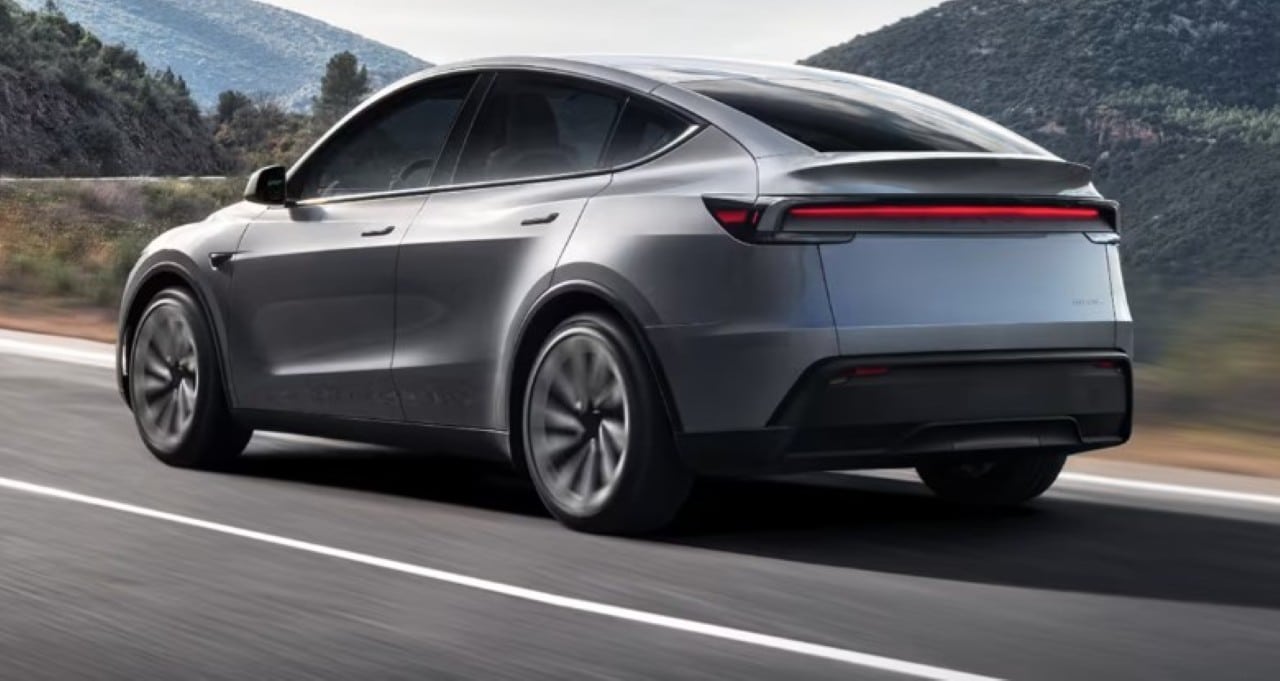
A Tesla Model 3 was involved in a serious accident on Friday night (20), in the US state of Texas, when it broke into a residence in the city of Katy. The collision resulted in the death of a 76-year-old woman who was inside the home, according to local authorities. The driver of the vehicle stated that the driving assistance system, known as autopilot, was activated at the time of the incident.
The investigation into the exact circumstances of what happened is being conducted by the Harris County Sheriff’s Office. This event reignites important discussions about the safety of vehicles with autonomous technology and the responsibility of both drivers and manufacturers.
Details of fatal impact on Texas residence
The incident occurred around 8pm local time, when Michael Butler, driving the Tesla Model 3, failed to keep the vehicle in the lane. The car left the road and hit the residence, which is in a suburban area of Katy, at high speed. The victim, identified as M. Avila, was shot inside his brick home.
After the collision, the elderly woman was taken by helicopter to a nearby hospital, but she succumbed to her injuries and died. Butler, the driver, was also injured and was taken by ambulance to a medical facility.
Driver claims use of autonomous system and collaborates with forensics
Michael Butler, the driver of the Tesla, informed authorities that the vehicle was operating with Autopilot activated at the time of the accident. According to the Harris County Sheriff’s Office, the driver showed no signs of intoxication and has been fully cooperating with investigators. To date, no formal charges have been filed against him.
Sergeant A. Turman, one of those responsible for the investigation, highlighted the complexity of investigating the circumstances. He stated that the team is evaluating what caused the car to lose control of its speed and is seeking to understand the role of the driver’s intervention in the incident. Authorities are asking for the collaboration of people familiar with Tesla vehicles to help clarify the facts.
Witnesses describe the high speed of the vehicle before the collision
The force of the impact and the speed of the Tesla were points observed by witnesses at the scene. Bryan Diaz, a neighbor of the affected residence, was outside his home celebrating a birthday party with his family when the accident happened. He described the scene as “insane” and “very fast.”
Diaz reported that the car appeared to be speeding just before it lost control and broke into the home. A video obtained by Eyewitness News corroborates the testimony, showing the vehicle traveling quickly down the street moments before the collision. “It just flew straight into their house,” said the neighbor, highlighting the fright of the children and other family members present.
History of accidents with Tesla Autopilot raises discussions about safety
The tragic accident in Texas is not an isolated case when it comes to investigations involving Tesla’s driving assistance systems. Previous incidents highlight the need for improvement and stricter regulation of autonomous car technology. Elon Musk’s electric vehicle manufacturer has already faced lawsuits and convictions in similar situations.
A notable case, which serves as a precedent for future discussions, occurred in 2019 and had a significant judicial outcome in August last year.
- Accident in Florida:A Tesla Model S, also equipped with autopilot, was involved in a fatal accident.
- Victims:Footage from the vehicle’s cameras showed the car plowing into a parked Chevrolet Tahoe, resulting in the deaths of the occupants.
- Court Decision:A Florida jury found Tesla responsible for the tragedy, paving the way for further legal action against the company.
- Indemnity:The manufacturer was ordered to pay compensation of 210 million euros to the victims’ families.
What the research means for the future of autonomous cars
The ongoing investigation in Katy is crucial to the debate surrounding the safety and regulation of vehicles with automated driving systems. Authorities are seeking to determine the proportion of human and system failure in the accident, which could influence future guidelines for the technology. As self-driving cars become more common, clarity about responsibilities and the limits of such systems is critical to public trust and safety.



