
Steam Machine price motivates Valve to make system available for common and affordable PCs


The high cost of the new Steam Machine surprised many players, but Valve has already presented a solution for those who want to join the ecosystem without a large investment. The company confirmed that users will have the ability to build their own device using standard computer components and the SteamOS operating system. This approach reinforces Valve’s history of promoting open platforms, allowing the community to customize and access their games without relying exclusively on proprietary hardware, a philosophy that aligns Steam Machine with the flexibility already known from PC gaming.
This news coincides with the release of SteamOS 3.8.10, a recent update that brought significant improvements in compatibility for more modern platforms from AMD and Intel. In this way, Valve advances its strategy of consolidating SteamOS as a viable option for gaming computers of different brands and configurations.
With the latest version of SteamOS, Valve is actively encouraging enthusiasts to create their own “homemade Steam Machine.” Instead of purchasing official equipment, players can now choose their favorite pieces, install the operating system and enjoy an experience very similar to that offered by Valve’s own device.
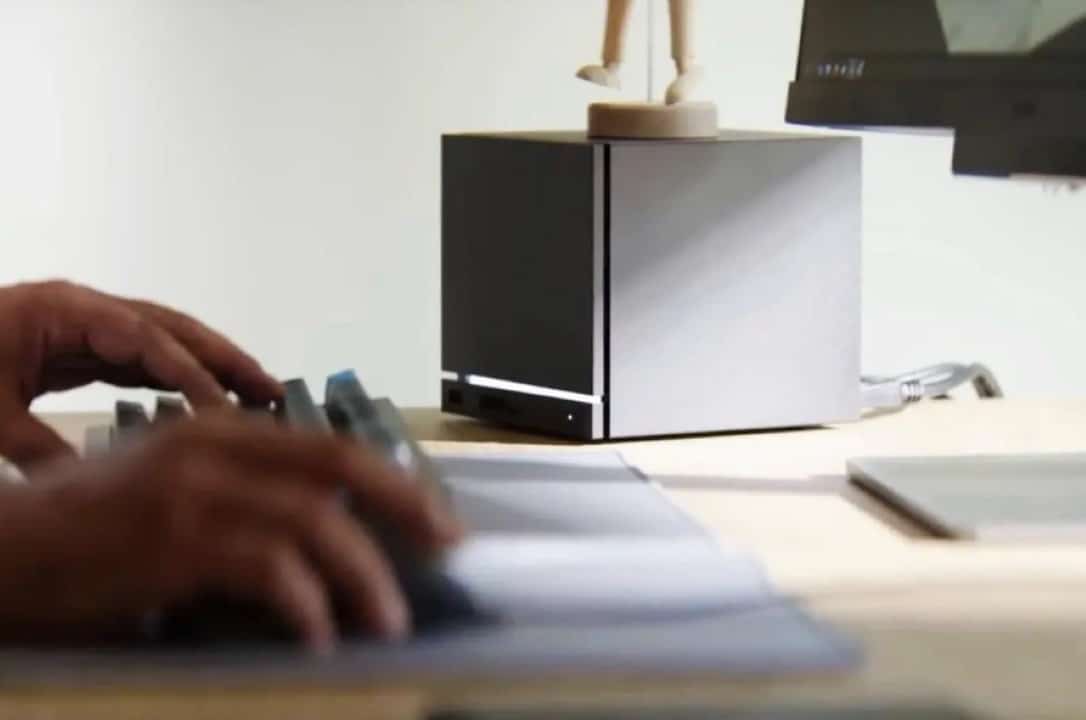
Although it has been technically possible to perform this assembly for some time, the process often presented considerable limitations. System compatibility was mostly focused on configurations with AMD components, while users of Intel and NVIDIA platforms faced recurring difficulties in both installation and use.
According to Pierre-Loup Griffais, one of the lead engineers behind SteamOS, Valve has focused efforts on expanding support to a wider range of desktop hardware. The executive revealed, in an interview with The Verge, that a specialized team is dedicated to continually improving the platform’s compatibility with different PC configurations.
One of the most important projects currently targets NVIDIA graphics cards specifically. Griffais said Valve is collaborating closely with the manufacturer to develop more robust support for graphics drivers within SteamOS, a key step in driving adoption of the system among a wider audience.
However, the implementation of this support will still take time. The executive indicated that full compatibility with NVIDIA GPUs will probably not be available later this year, but assured that the project continues to be developed behind the scenes and remains one of the Valve team’s priorities.
Another benefit brought by the recent update is the simplification of the installation procedure. Until recently, many users needed to use Steam Deck recovery images to install SteamOS, a much more complicated method than installing traditional Linux distributions.
If Valve can provide comprehensive support for Intel processors as well as AMD and NVIDIA GPUs in the coming years, SteamOS has the potential to establish itself as a robust alternative to Windows for gaming. In this scenario, any compatible gaming computer could function effectively as a Steam Machine, eliminating the need to purchase the company’s official model.



