
Valve announces the high prices of the new Steam Machine and confirms the console’s release date


Valve, the company responsible for developing the Steam Machine, released the prices for its long-awaited console. The entry-level configuration will cost US$1049, equivalent to R$5,200, and will come with 512 GB of storage. For a more complete version, which includes the innovative Steam Controller, 2TB of space and customization options for the front plates, the price will be US$1428, approximately R$7.2 thousand. It is important to highlight that the Steam Machine will not have an official launch on the Brazilian market.
In addition to disclosing the costs, the company also provided details about the availability of the device, stating that shipping to consumers will begin in June. Those who wish to purchase the product can now express interest by signing up for a waiting list; Valve plans to start contacting subscribers from June 29th.
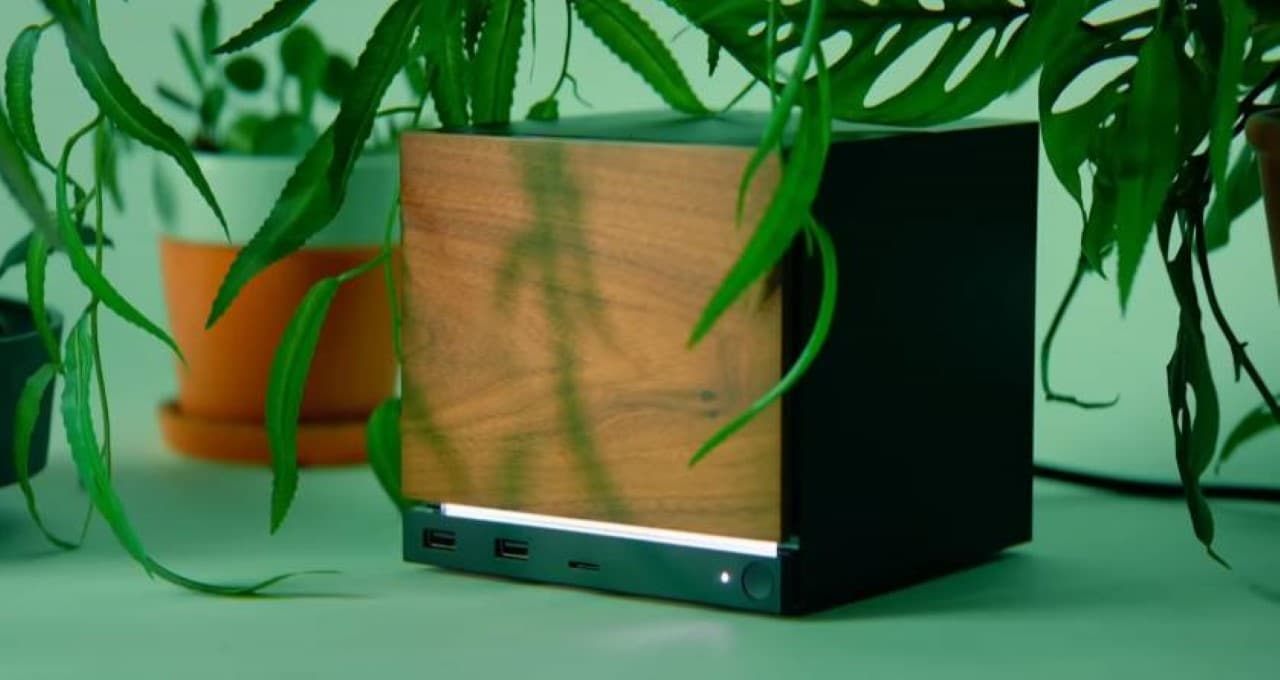
The values established for the Steam Machine were considered excessively high, a concern that had already been discussed among enthusiasts. To illustrate, a PlayStation 5, in its digital version, is sold for US$599 in the United States, a significantly lower amount. Although Valve’s new console offers many of the features of a personal computer, the high figure raises the question whether it would not be more advantageous to build a customized PC with the same capabilities.
This negative perception regarding the exorbitant price is largely due to the shortage of components in the global market, a phenomenon driven by the growing demand for artificial intelligence. Servers dedicated to AI technologies require large volumes of RAM and storage devices, resulting in a sharp increase in the costs of these parts. These market dynamics not only make the production of new devices like the Steam Machine more expensive, but also reflect a global trend that affects the entire technology sector.
The instability in the component market directly impacted the main console manufacturers, leading PlayStation, Xbox and Nintendo to implement readjustments in the values of their equipment recently. It is likely that this price escalation will also extend to the next generation of consoles. With the PlayStation 5 and Xbox Series approaching their seventh year, and even with mentions of future projects like Project Helix and the PS6 by Sony, the official unveiling of new models still seems distant, in part, due to these economic and supply pressures.





