
Valve reveals starting price of $1,049 for Steam Machine and launches reservation system in June

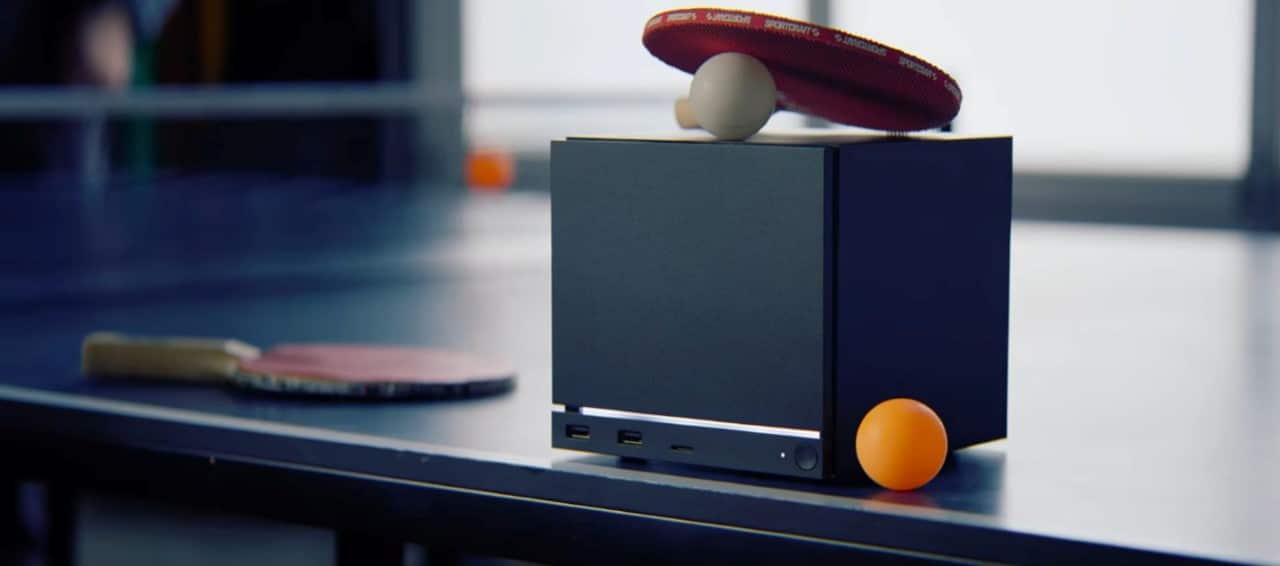
Valve has announced the launch price for its latest Steam Machine, a PC designed for living rooms, setting the starting price at US$1,049. The company also announced that interested parties can now register for the purchase, with the first acquisition opportunity emails scheduled for June 29th. The measure represents a significant step for the gaming giant in the hardware market.
Valve’s New Era of Gaming Hardware Detailed
After a period of great expectation, Valve confirmed the commercialization details of the Steam Machine, a device that promises to expand the frontiers of digital entertainment in home environments. The announcement reinforces the company’s vision of offering a more flexible and powerful gaming experience outside of traditional computers. This move positions the company directly in the competition for audiences looking for high performance in a console format.
How the reservation system works and the shipping of the first units
To ensure equitable distribution, Valve has implemented a reservation system for consumers wishing to purchase the Steam Machine. Interested parties can express their interest immediately through the official website. The company will hold a random draw next Thursday, at 1 pm (Brasília time), to define the priority purchase order. After this first selection, new records will be added to the end of a waiting list. The first notifications to finalize the purchase will be sent to selected users from June 29th, marking the start of sales.
Available models and their respective global values
Valve will make four different configurations of the Steam Machine available, meeting different player needs and budgets. Each model has storage variations and the option to include the Steam Controller, the platform’s official control.
Below, detailed values for the main international markets:
- 512GB model:US$1,049 / CA$1,509 / €1,039 / £879 / AU$1,609 / 4,389 zlotys
- 512GB Model with Steam Controller:US$1,128 / CA$1,628 / €1,108 / £938 / AU$1,728 / 4,698 zlotys
- 2TB model:US$1,349 / CA$1,919 / €1,359 / £1,149 / AU$2,109 / 5,739 zlotys
- 2TB Model with Steam Controller:US$1,428 / CA$2,038 / €1,428 / £1,208 / AU$2,228 / 6,048 zlotys
The 2 TB models will also have an aesthetic difference, offering two interchangeable front plates, one in “red fabric” and the other in “deep walnut”, in addition to the standard black color. This allows users to customize the appearance of their hardware, adding a unique touch to the device.
The positioning of the Steam Machine in the console and PC market
The new Steam Machine hits the market at a price significantly higher than that of last generation consoles, such as the PlayStation 5 Digital (US$599.99), Xbox Series X (US$649.99) and PlayStation 5 Pro (US$899.99). This price distinction is crucial to understanding Valve’s proposition. Unlike consoles, which operate on fixed hardware and closed systems, the Steam Machine is essentially a computer optimized for living room gaming.
The higher price reflects the inclusion of PC components, which generally offer greater customization and upgrade capacity, in addition to running a more open operating system (SteamOS, based on Linux). This allows users to access Steam’s vast library of games without the restrictions of a traditional console. Valve’s strategy, by not subsidizing the hardware as console manufacturers usually do (generating primary profit from the sale of games and services), aims to offer a premium product that is more in line with the philosophy of PC gaming, with its open and flexible ecosystem, although with a higher initial cost for the consumer.
The legacy of Steam Machines and Valve’s vision for the future
This isn’t Valve’s first foray into the concept of Steam Machines. The first generation, launched a few years ago, faced considerable challenges in the market, mainly due to the complexity of configuration for the end user and competition from traditional PCs and already established consoles. The lack of an intuitive user interface and the need to adapt to a new operating system (SteamOS) were some of the obstacles that the original version had to overcome.
With this new Steam Machine, Valve seems to have improved its proposal, focusing on more fluid integration and robust hardware that justifies the investment. The initiative demonstrates the company’s continued commitment to bringing the PC gaming experience into the living room, offering a powerful alternative to consoles and paving the way for a future where the lines between PC and console platforms become increasingly blurred. The partnership with AMD, aimed at integrating FSR 4, for example, highlights the focus on optimizing performance and graphics quality, promising an improved visual experience even on more demanding hardware. The expectation is that this new generation can consolidate the concept of a living room PC, challenging the perception that high-performance games are exclusive to dedicated desktop computers.



