Sony releases three high-budget games for free for PlayStation 5 owners without requiring a subscription
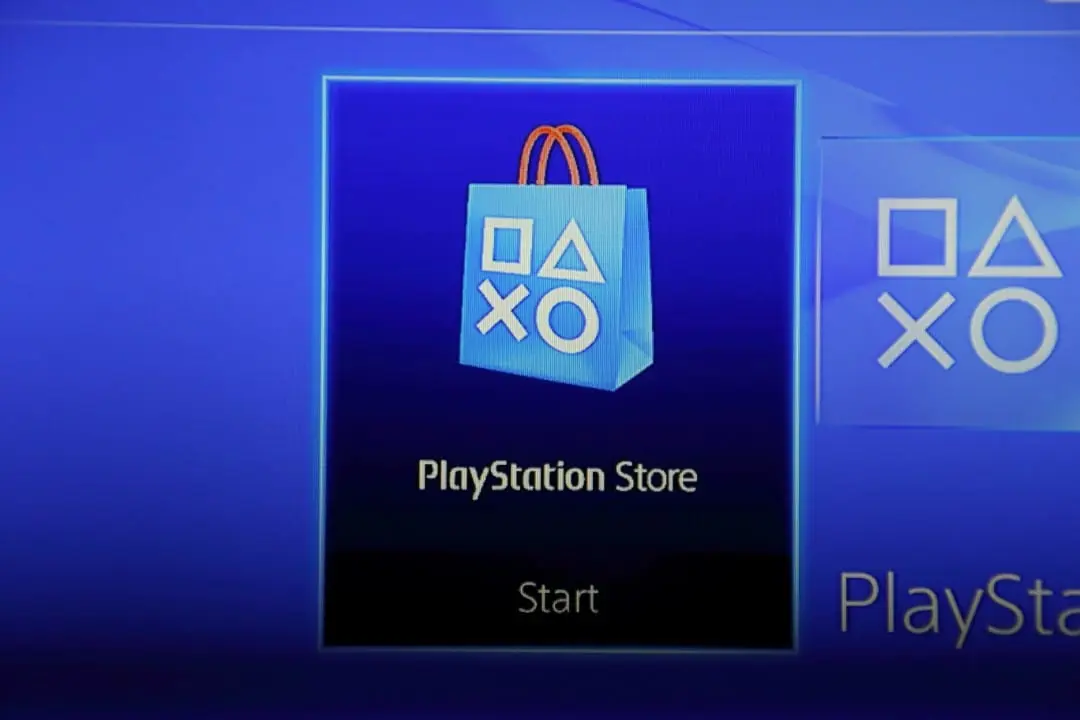
Japanese manufacturer Sony surprised the market by making a trio of major games available at no cost to PlayStation 5 owners. The initiative eliminates the need for an active subscription to premium services, such as PS Plus, allowing direct redemption through the video game’s virtual store. The selected catalog covers different styles of gameplay, all developed by renowned studios in the industry.
Among the options offered, users will find a title focused on competitive combat, a sports management simulator and an open-world adventure with character draw mechanics. The central purpose of this maneuver is to inflate the player base and attract an unprecedented audience to so-called games as a service. The file transfer process can be started directly from the device’s home screen.
This tactic redefines the way digital entertainment reaches consumers’ homes within a closed ecosystem. This is a strategic alliance between the creator of the hardware and third-party companies, ensuring that the works reach a massive audience on the first day. The main objective is to form a robust and simultaneous community, an essential factor in ensuring the longevity of ongoing projects.
New approach to expanding the digital ecosystem on consoles
The company’s decision profoundly changes the logic of distributing cutting-edge software in the tabletop video game segment. By delivering complete journeys without charging an initial fee, the brand seeks to gain public trust through the immediate quality and stability of the servers. This format removes the financial barrier to purchasing, transferring the testing period to customers who, in normal situations, would not invest money in those specific genres.
Historically, access to productions of this caliber required a one-off purchase or recurring monthly payments. By breaking down the payment wall for these specific packages, the corporation experiments with a retention system supported by the sale of cosmetic items and internal microtransactions. Recent industry data shows that free-to-play games with in-app purchases generated more than $70 billion globally last year, proving to be an effective shield against the commercial risk of traditional releases, especially in the face of fierce competition from mobile phones and computers.
The movement occurs at a time when device sales are reaching their maturity phase and software production costs are soaring across the planet. Independent producers use video game processing capacity as a technological showcase, capturing varied consumer profiles. In return, partner developers get a free pass to an installed base that already exceeds the mark of tens of millions of units sold globally.
Dynamics of tag team fights in the 2XKO title universe
The long-awaited 2XKO, signed by Riot Games, transports the iconic champions of the League of Legends franchise to the virtual rings in two-on-two clashes. The punching system requires sharp reflexes and allows dynamic exchange of fighters in the middle of the arena, creating devastating combos. The work mixes advanced training tools with performance analysis to promote the esports scene.
The command structure was designed to please arcade veterans and newcomers alike, delivering simplified shortcuts that don’t sacrifice the complexity required in professional tournaments. Confrontations can take place on the same sofa or over the internet, using predictive network code technology to ensure fluidity. This system minimizes delays in reading buttons, ensuring that strikes connect accurately even against opponents on different continents.
Managing football clubs with Sega Pocket Club Manager
Sega brings to desktop consoles an adaptation of its extremely successful franchise in the Asian market, putting fans in total control of a football team with Sega Pocket Club Manager. The player simultaneously assumes the roles of financial director and head coach, needing to make critical decisions that impact the team’s performance both behind the scenes and on the virtual pitch.
The simulator ranges from negotiating contracts and searching for sponsors to expanding the stadium and individual training for athletes. The graphics engine uses three-dimensional models to display matches in real time, enabling tactical adjustments and immediate substitutions as the game progresses. As the team accumulates victories, new partner brands are unlocked, injecting more money into the institution’s coffers.
Leia Também

Financial analysis indicates that GTA 6 generated US$1 billion in the first hour of pre-sales

George Russell secures second Formula 1 triumph and leads Austrian GP after controlling Verstappen and Antonelli

Air crash in France kills 11 people on parachuting school aircraft
Base building and exploration on Arknights Endfield planet
Gryphline expands its famous intellectual property with Arknights Endfield, an action RPG set on the mysterious planet Talos-II. The narrative follows a team of experts tasked with exploring unknown frontiers, mapping natural resources and surviving extremely hostile ecosystems. The script deepens the series’ mythology, introducing new political factions and complex ideological clashes.
The progression mechanics combine frenetic combat with the building of industrial complexes. Adventurers need to build secure outposts, manage supply lines, and automate mineral collection to strengthen their squad. The efficiency of this network of factories dictates the speed at which new equipment and weaponry is forged for the team.
Confrontations take place directly on the exploration map, without transition screens, requiring the strategic use of each operator’s unique skills. The synergy between the different character profiles is vital to breaking enemy defenses and overcoming the scenario’s climatic adversities. Tactical positioning on the ground also directly influences the amount of damage dealt and received during battles.
The work’s visual design fuses a clean futuristic aesthetic with heavy industrial machinery, harnessing the console’s graphical power to render vast landscapes with realistic lighting. During walks across the map, explorers find fragments of data that reveal the tragic events that preceded the colonization of that world, putting together a narrative puzzle.
Technical optimization to get the most out of current hardware
The three pieces of software available went through a rigorous polishing process to utilize the full architectural capacity of the PlayStation 5. Thanks to ultra-high-speed solid-state disk storage, loading screens were practically eliminated, ensuring instant jumps between menus and the main action. This fast data reading allows high-resolution textures to appear without delay, maintaining an unwavering frame rate even in chaotic scenes. The device’s three-dimensional audio system was also incorporated, delivering accurate spatial perception of sound effects and enemy locations.
Development teams have also taken advantage of the unique features of the wireless controller. The advanced vibration motor and adaptive triggers provide varied tactile responses, simulating the physical weight of actions directly in the user’s hands. In the football simulator, it is possible to feel the impact of a tackle on the grass, while in the fighting game, the vibration reflects the intensity of a defended punch. In the action RPG, the resistance of the back buttons changes according to the weapon held, creating a sensory layer of communication during long gaming marathons.
Step by step to rescue and install applications
The procedure for purchasing games has been designed to be as simple as possible, ensuring that the entire user base can quickly enjoy them. To secure licenses, follow these sequential steps on your device:
- Confirm the console’s internet connection and open the digital store from the main menu.
- Use the search bar to find individual pages for each work.
- Select the free download option to start transferring data.
There is no deadline for making this initial redemption, meaning that, once added to the library, the titles are permanently linked to the account. This policy allows you to delete and download files again in the future without losing the right to use them, making it easier to manage space on your storage disk.
Impacts on the traditional digital distribution model
This commercial maneuver symbolizes a rupture in the business pattern between console manufacturers, partner studios and the end public. By delivering high-cost productions without requiring prior payment, the competitive strength of video games in the entertainment market is considerably increased. The strategy establishes new parameters for how to attract and keep players engaged within a closed ecosystem, dictating trends for the future of the interactive technology industry.