South Korean government changes civil control area in sensitive region of North Korean border for the benefit of residents
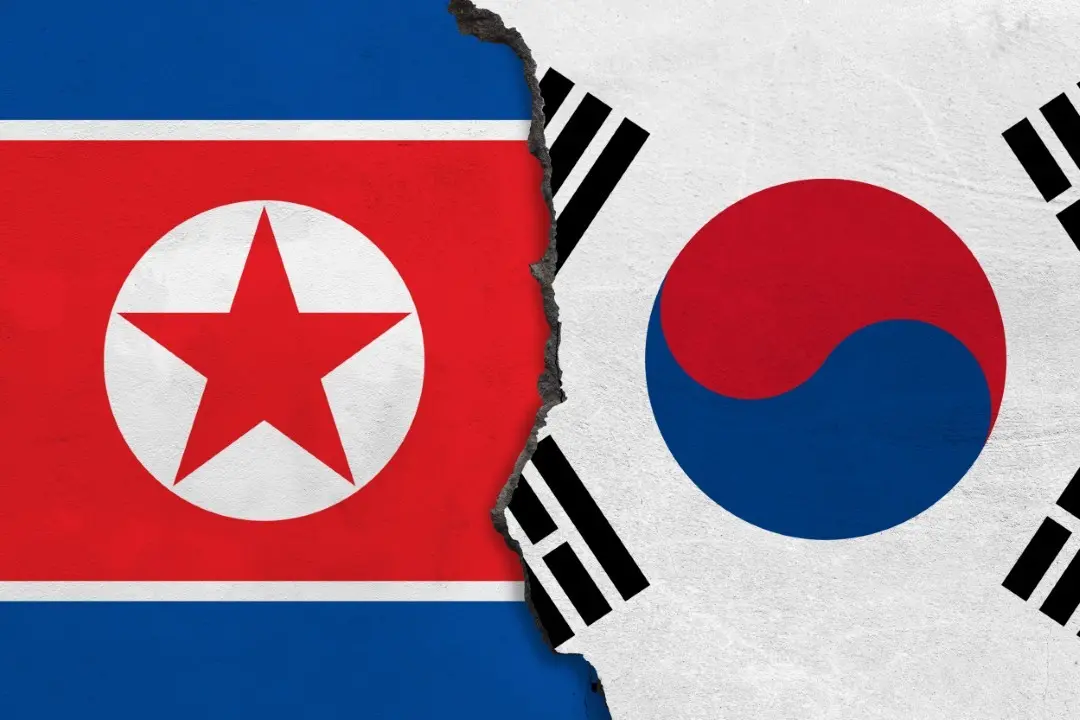
The South Korean government announced, last Wednesday (17), the decision to modify the demarcation of a restricted access area located close to the military border with North Korea. The measure aims to reduce the perimeter where the circulation of civilians is controlled, adapting to changes in the security landscape and seeking to improve the quality of life of the communities that inhabit this strategic region, according to an official statement from the Ministry of Defense.
The initiative reflects an effort by Seoul to balance the necessary surveillance at one of the world’s most militarized borders with the needs of local residents. The limited access zone has been a point of constant debate and aspiration for flexibility on the part of affected populations, who have faced restrictions in their daily and economic activities for decades.
Definitions and historical context of the Civil Control Line
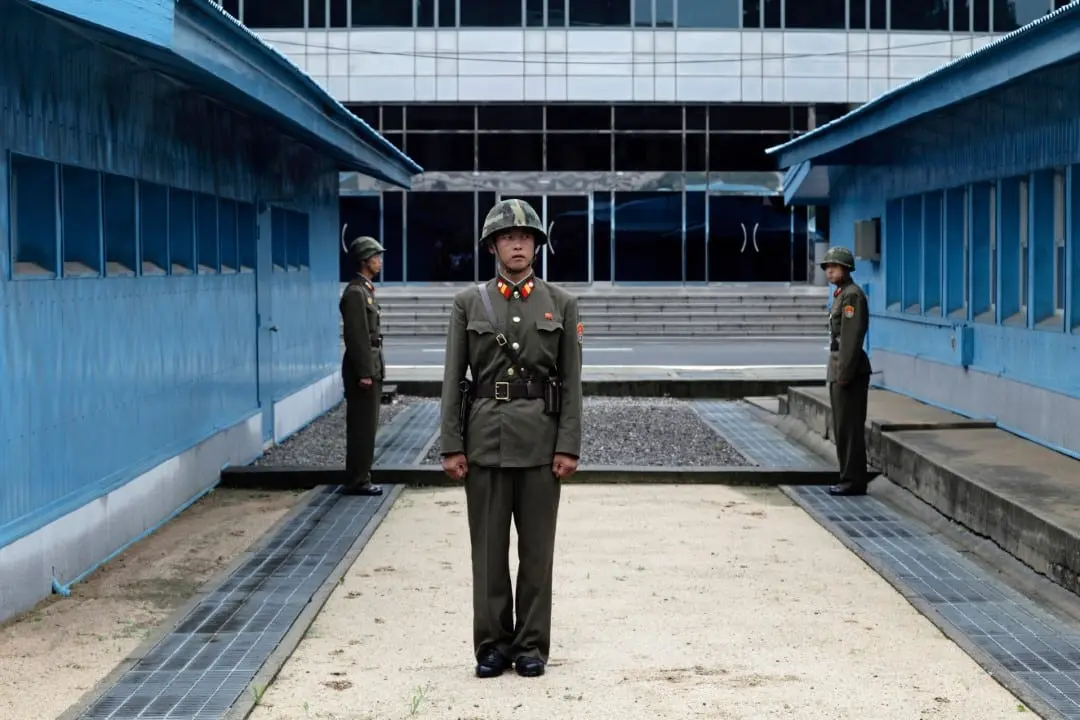
Currently, the so-called Line of Civil Control (LCC) extends approximately ten kilometers south of the Military Demarcation Line (MDL), the official border established after the armistice that ended the Korean War, between 1950 and 1953. This sensitive area requires anyone to obtain express permission from military authorities to enter and circulate, severely impacting the lives of those who reside there.
The existence of the LCC and the Demilitarized Zone (DMZ) between the two Koreas is a direct legacy of the conflict, serving as a physical barrier and buffer against direct hostilities. However, for South Korean civilians living in these areas, the restrictions imposed mean limitations on agriculture, construction and even property appreciation, creating a challenging living environment that is distinct from the rest of the country.
Modification details and expected impact
South Korean Defense Minister Ahn Gyu-back reported that the new demarcation will bring the civilian access line closer to approximately six kilometers from the MDL, representing a significant reduction of four kilometers in the restricted area. Gyu-back highlighted that this change is a direct response to requests made by residents of the region over many years, and is now possible due to the increased level of readiness and the modernization of the defense forces’ security systems.
The reduction of the restricted zone promises to bring considerable relief to communities, who will see less bureaucracy and more freedom on their lands. In addition to making daily life easier, the measure can boost local economic development, allowing for more flexible use of properties and the planning of projects that were previously unfeasible under the stricter LCC rules. The region’s robust security, which includes the presence of troops and advanced surveillance equipment, ensures that this relaxation will not compromise national defense.
Leia Também

VAR decides to cancel Colombia’s goal against Portugal after a thorough analysis of the tip of the boot, impacting the classification in Group K of the 2026 World Cup

Lautaro Martínez simply scores a great penalty in Jordan x Argentina at the 2026 World Cup

Rota officer and family member of Eloá Pimentel is ambushed by gunfire at a traffic light in ABC Paulista
New regulations and benefits for local activities
In parallel with the change in the line of control, the Ministry of Defense announced other measures with the aim of mitigating restrictions applied to border areas. Among these measures is the simplification of standards for communication and registration required for the use of drones in agricultural operations. This change is of great value to farmers, who increasingly depend on technology to optimize their harvests and monitor their properties.
Reducing bureaucracy in these areas is essential to stimulate the rural economy, allowing residents to employ modern tools without facing unnecessary obstacles. Furthermore, flexibility reflects a more integrated vision of security and development, where border protection can coexist with the prosperity of communities that live under its direct influence, valuing the role of these citizens in the national security strategy.
South Korean efforts and Pyongyang’s stance
Since President Lee Jae Myung took office the previous year, his liberal-leaning government has implemented a series of actions aimed at easing tensions with North Korea. Such efforts include proposals for dialogue and gestures of goodwill, seeking to rebuild bridges in a historically troubled relationship.
However, the North Korean capital, Pyongyang, has maintained a consistently defiant and uncooperative stance. Despite Seoul’s initiatives, Kim Jong-un’s regime has intensified missile tests and issued hostile statements, hampering any significant progress toward denuclearization or lasting pacification of the Korean peninsula. The decision to move the LCC, therefore, although it is a domestic relief measure, comes against a backdrop of continued volatility in inter-Korean relations, where surveillance and defense remain non-negotiable priorities for South Korea.