Tom Hanks details his condition for returning to voice Woody in a possible Toy Story and evaluates the use of AI
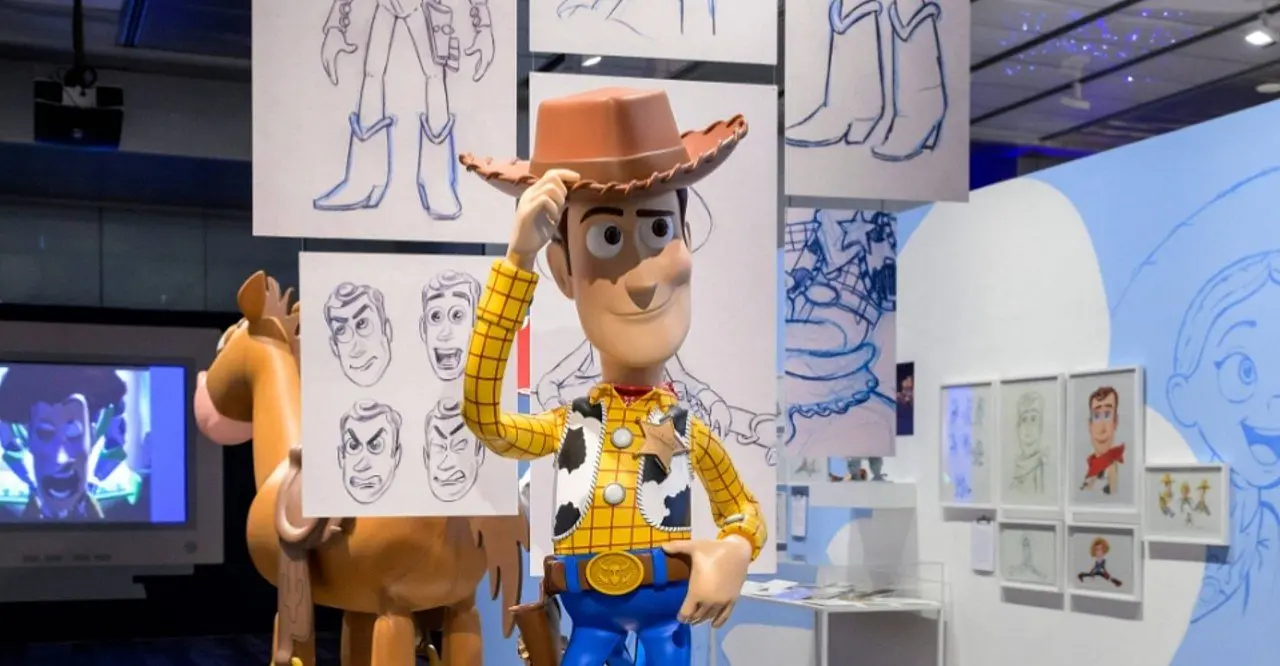
Tom Hanks, the renowned 69-year-old actor who lent his voice to the iconic character Woody in all productions of the “Toy Story” franchise, recently announced what his only condition would be to reprise the role in the future. The award-winning artist explained that his return to a new animation would only be justified if the plot presented a deep theme of significant importance.
In a statement to Entertainment Weekly, Hanks emphasized the need for quality: “If a new ‘Toy Story’ is produced, it is crucial that it has significant intrinsic value.” The star, who has already won an Oscar, considered the importance of having a robust artistic justification for developing another film in the “Toy Story” saga, regardless of the vast financial return that the brand can generate.
“It is essential that it is excellent,” he said. “The story should explore a new topic, not limit itself to prolonging the franchise just for the appeal of the name. While it is undeniably a giant corporate venture, if the end result is not good, innovative and fresh, I see no reason for it to exist.”
Leia Também

Messi reaches 19 goals in FIFA World Cups with great free kick for Argentina in clash with Jordan

Cristiano Ronaldo shines beyond the pitch at the 2026 World Cup with business empire and family luxury

At 41, Cristiano Ronaldo reaffirms his historic legacy and prepares to shine in the 2026 World Cup
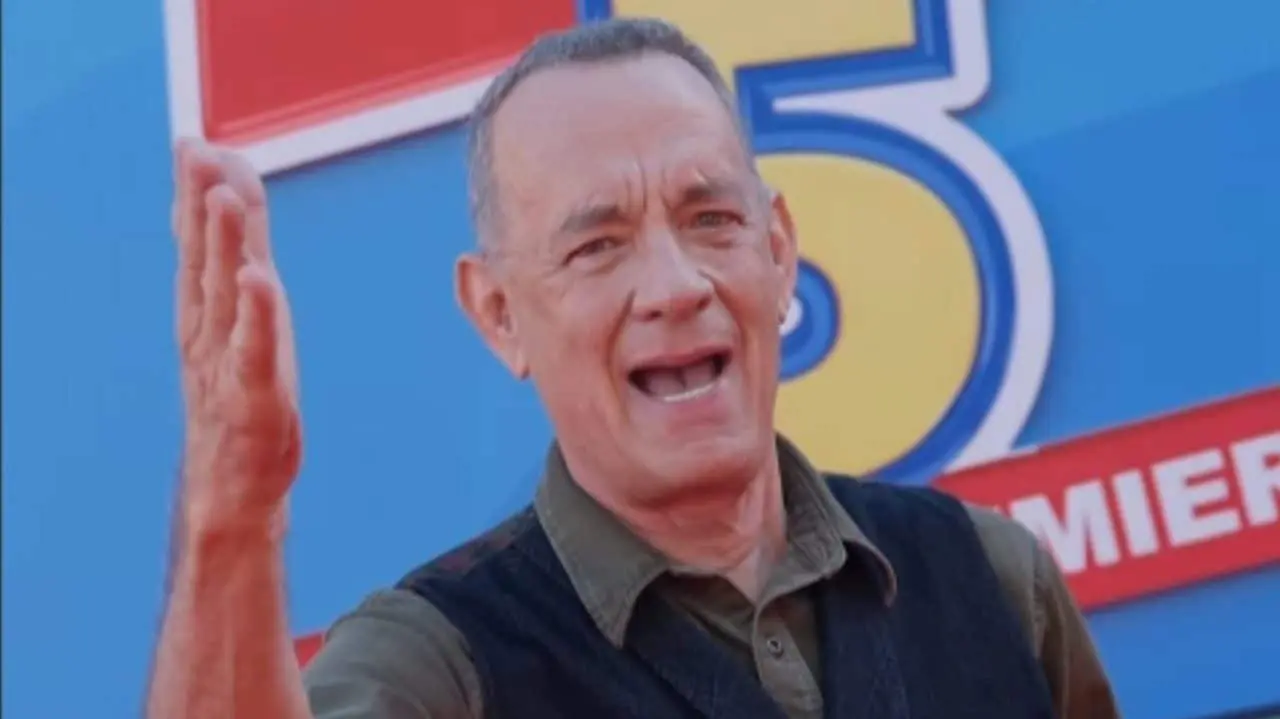
Additionally, Tom Hanks considered that the Pixar team could eventually recreate his voice using artificial intelligence (AI) technology if he was unavailable or chose not to participate in a future production. “Aging is an inevitable process,” Hanks stressed. He raised the question of the feasibility of constructing a digital version of his performance, citing that “every voice recording ever made for ‘Toy Story’ is stored in digital format, allowing the creation of any desired dialogue.” However, the actor expressed that the prospect of having his voice digitally replicated is something he finds “scary.”
Scenario for a new chapter of animation
The plot for a potential “Toy Story 5”, which has been the subject of discussions and speculation about its plot, presents a crisis situation for the characters. In it, the famous toys find themselves in a troubled period, feeling replaced by eight-year-old Bonnie, who now shows greater interest in electronic devices. This change of attention from the girl, who seeks more interaction with her human colleagues, generates notable discomfort among the protagonists, who feel overlooked.