Brazilian market feels global pressure: dollar reaches R$5.22 and stock market retreats amid uncertain interest rates in the USA

The Brazilian Stock Exchange recorded a drop this Wednesday, while the dollar appreciated against the real, reaching R$5.22. This level represents the highest exchange rate for the American currency since March 30, reflecting a growing global aversion to risk. Factors such as the rise in interest rates in the United States and the impacts observed on technology stocks, as well as on international stock markets, contributed to the scenario. On the other hand, the new drop in oil prices abroad helped to partially alleviate this pressure.
US currency reaches highest value in almost three months
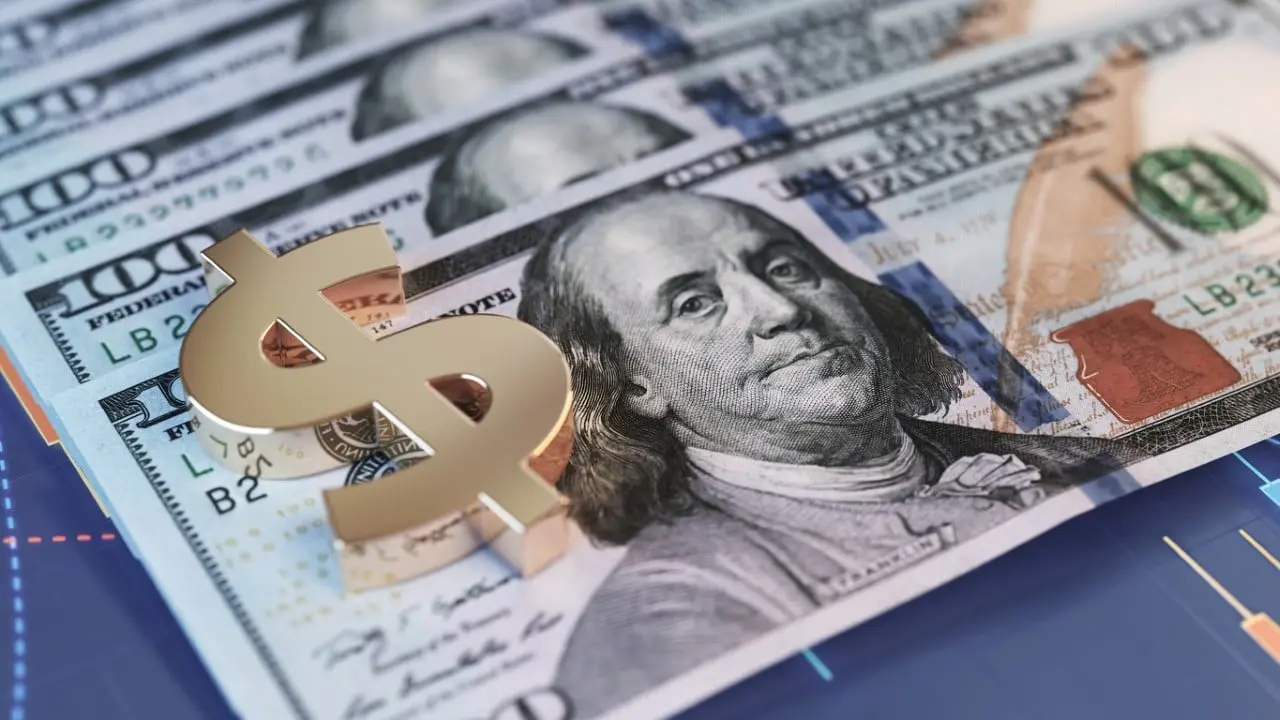
The dollar consolidated its rise, reaching its highest price in almost three months. At 10 am, the American currency was traded on the commercial market for sale at R$5.216, showing a positive variation of 0.53% compared to the previous day’s closing and maintaining an appreciation trend since the opening of the session.
Since the lowest point of the year, reached in the first week of May at R$4.89, the American currency has already accumulated an increase of 6.5%. The recent period of appreciation is driven by a combination of factors: internal political issues, including the presidential race and uncertainties about monetary policy in Brazil, in addition to expectations of rising interest rates in the United States and doubts about the profitability of investments in Artificial Intelligence on the global stage.
Concerns about rising interest rates in the US grow after Federal Reserve meeting
The Federal Reserve, the North American Central Bank, chose to maintain the country’s economy reference rate between 3.50% and 3.75% per year at its last meeting. Although there was no change, the speech adopted by new chairman Kevin Wash was considered firm. Fed directors’ projections, indicating high interest rates for an extended period, intensified market expectations regarding monetary tightening in the coming quarters.
Falling oil helps mitigate global risk aversion
The price of a barrel of Brent oil, used as a global reference, registered a drop of 3.7% at 9 am (Brasília time) on the ICE Intercontinental Exchange, being traded at US$ 73.99. This value is close to the price of US$72.48, observed before the first clashes between the United States and Israel against Iran, on February 28. The normalization of prices is attributed to agreements between governments involved in the conflict and the increase in maritime flow in the Strait of Hormuz, contributing to the stabilization of the world’s main source of energy.
The decline in oil prices alleviates some of the pressure on global costs, reducing the geopolitical risk premium for commodities and creating a potentially less restrictive environment for monetary policy on a global scale. For the Brazilian stock market, the tendency is for a positive impact on sectors such as consumption, transport and interest-sensitive companies, outweighing the negative effect on oil companies, according to an analysis by Sidney Lima, analyst at Ouro Preto Investimentos.
Leia Também

Messi reaches 19 goals in FIFA World Cups with great free kick for Argentina in clash with Jordan

Cristiano Ronaldo shines beyond the pitch at the 2026 World Cup with business empire and family luxury

At 41, Cristiano Ronaldo reaffirms his historic legacy and prepares to shine in the 2026 World Cup
Technology companies face adjustments and put pressure on international markets
The main stock indices in the United States ended the previous day lower, with sharper losses in the Nasdaq and the S&P 500, which have greater representation of the technology sector. This Wednesday, Asian markets closed without a defined direction, after a second day of high volume of stock liquidations. In Europe, stock indicators in London, Frankfurt and Paris operated without a firm bias, also after a trading session of losses the day before.
Readjustment in technology shares directly impacts the Brazilian Stock Exchange
The segment of technology and Artificial Intelligence companies demonstrates greater sensitivity to changes in global interest expectations. This is because the sector is in a cycle of high investments, with a return horizon that is still distant. Consequently, any indication that interest rates will remain high for longer puts pressure on the price assessments of these companies, affecting their valuation, according to financial market professionals.
Gustavo Harada, CIO at Blackbird Investimentos, explains that, in a portfolio rotation scenario, Brazil can benefit, as it offers exposure to sectors that are not directly technology and has more attractive valuations. However, if the market correction develops into broader financial stress, increasing global risk aversion, the flow of investment to emerging markets could be hampered in the short term, regardless of local economic fundamentals.