Galaxy Z Fold 8 Ultra receives significant upgrade in screen and battery to compete in the market
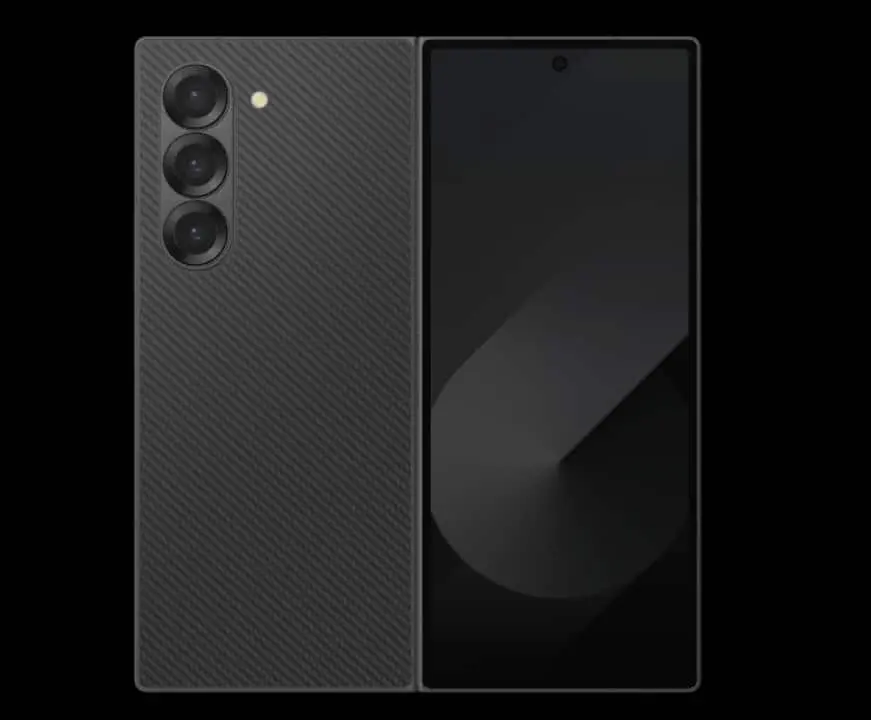
The arrival of Samsung’s new foldable devices, including the Galaxy Z Flip 8, the Galaxy Z Fold 8 and, most notably, the Galaxy Z Fold 8 Ultra, is near. The South Korean technology giant, by incorporating the “Ultra” designation into its Fold line, is preparing a series of significant improvements, aiming to justify the nomenclature with a notable increase in display resolution. This move signals Samsung’s ambition to position the device at the top of the category, offering a superior visual experience that lives up to its cutting-edge name.
Galaxy Z Fold 8 Ultra display gains improved resolution
According to recent information released by a source with a proven track record of reliability, Samsung has made a significant improvement in the quality of the screen of the future Galaxy Z Fold 8 Ultra. The revelation points to a substantial optimization in the panel’s pixels, promising superior visual clarity for users.
Even with the lack of specific details about this improvement, it is possible to infer the company’s intentions when analyzing the Galaxy Z Fold 7, a previous model. The internal screen of this device had a lower pixel density than that found in models such as the Galaxy S26 Ultra and Galaxy S25 Ultra. With this, Samsung seeks to equate the Fold 8 Ultra to the level of excellence of its other “Ultra” smartphones, not limited to just increasing resolution. The objective is to ensure that the visual experience on the foldable device is as premium as on its more robust brothers in the S line, something essential for a device with the “Ultra” designation.
How the Galaxy Z Fold 7 lagged in pixel density
While the external display of the Galaxy Z Fold 7 had a pixel density per inch (ppi) of 422, considered satisfactory, the main internal screen registered only 368 ppi. This value was considerably lower when compared to the approximately 500 ppi present in the Galaxy S26 Ultra and Galaxy S25 Ultra models, indicating a gap in visual quality.
Pixel density is a crucial factor: the higher it is in a smartphone, the lower the individual pixels are perceived by the human eye and the greater the overall sharpness of the image. While the Fold 7’s screen wasn’t lacking, Samsung recognizes vast potential for improvements. Improved pixel density means sharper text, more detailed images and superior visual immersion, directly benefiting activities such as reading, watching videos and gaming, and is a fundamental aspect of the high-end device experience.
Leia Também

Messi reaches 19 goals in FIFA World Cups with great free kick for Argentina in clash with Jordan

Cristiano Ronaldo shines beyond the pitch at the 2026 World Cup with business empire and family luxury

At 41, Cristiano Ronaldo reaffirms his historic legacy and prepares to shine in the 2026 World Cup
This search for excellence is even more pertinent given the expectation that Apple, with its long-awaited foldable iPhone, will not make concessions regarding the resolution and quality of its displays. The intense competition in the growing segment of foldable smartphones, which already has several Chinese manufacturers and now the imminent entry of Apple, forces Samsung to raise the level of innovation to maintain its leadership.
Additional innovations in the Galaxy Z Fold 8 Ultra
Samsung chose to rename the successor to the Fold 7, which is now known as the Fold 8 Ultra. In addition, the standard model, Galaxy Z Fold 8, will be a foldable device with a wider screen format, following a trend seen in launches such as Apple’s future foldable iPhone Ultra and the already established Huawei Pura X Max.
The increase in screen resolution is just one of several new features that Samsung is preparing for the Fold 8 Ultra, aiming to validate the “Ultra” suffix. The battery capacity, for example, has been expanded to 5,000 mAh, a considerable increase compared to the 4,400 mAh of the Fold 7. This new capacity brings the Fold 8 Ultra in line with the autonomy offered by the brand’s other elite devices, such as the Galaxy S26 Ultra and previous “Ultra” versions.
Additionally, the South Korean company reduced the dimensions of the front cameras in its new generation of foldable models, a feature that should be replicated in the Galaxy S27 series next year. Added to optimizations in the hinge mechanism and a newer processor, these innovations promise to consolidate the Fold 8 Ultra as a highly attractive purchasing option for consumers this year.
In fact, for those who are considering whether to purchase the Galaxy Z Fold 8 or wait for the launch of the foldable iPhone later this year, the Galaxy Z Fold 8 Ultra may present itself as the most sensible alternative for those looking for innovation without delay.
The Galaxy Z Fold 7 marked a substantial step up from the Galaxy Z Fold 6, and now the new Fold 8 lineup also receives a number of notable improvements. Improvements to the Fold 7 in the previous year were driven by strong competition from Chinese foldable devices. For this year, the development of the Fold 8, and especially the investment in the Fold 8 Ultra, is driven by the imminent arrival of Apple’s foldable model, with Samsung seeking to attract as many new consumers as possible. This competitive dynamic proves to be a catalyst for true innovation in the sector.