H5N1 bird flu is confirmed in Australia, warning of the global spread of the virus
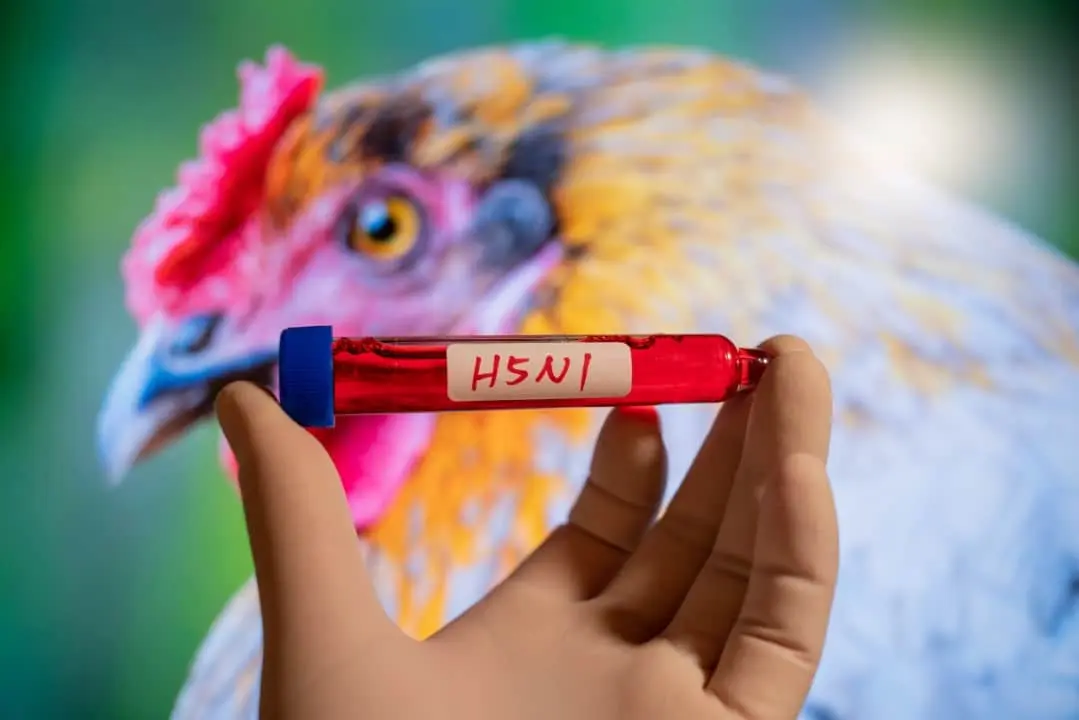
Two seriously ill seabirds on an isolated beach in Western Australia have brought the bird flu epidemic to the last continent still free of the disease. Recent laboratory tests confirmed the presence of the highly pathogenic avian influenza virus (APAI) H5N1 in a brown tern and a giant petrel. Both are types of seabirds often found in the cold waters of the Southern Ocean.
H5N1 is a variety of avian influenza, also known as bird flu, caused by an influenza A virus. The specific strain identified was HPAI H5N1 clade 2.3.4.4b, a lineage with worldwide circulation and the ability to spread quickly.
Over the past five years, this particular strain of the virus has caused the deaths of millions of wild animals and poultry.
These are the first confirmed occurrences of this viral variant in Australian territory. The next few weeks will be crucial in determining whether the current cases represent isolated incidents or the starting point of a more widespread outbreak.
Since 2021, the HPAI H5N1 strain of bird flu has spread to every continent on the planet, with the exception of Australia.
In several international regions, the virus caused great damage to wildlife and generated significant economic losses in the poultry industry. Additionally, this strain has infected mammals on several occasions, including dairy cattle, seals, and sea lions.
Identification of the route of entry of the H5N1 virus into the continent
The currently detected H5N1 strain presents a distinct challenge compared to the bird flu outbreaks Australia has previously faced. This is due to its ability to infect a much wider range of species and its faster spread than other strains, including among mammals and across large continental stretches.
Transmission occurs mainly through direct contact with infected animals or environments that have been contaminated, including ingestion of carcasses.
For this reason, birds that live in large colonies, such as gannets, terns and albatrosses, are the most vulnerable to infection. Additionally, scavenging animals, such as Tasmanian Devils and other species that feed on carcasses, are also at greater risk of exposure to the virus.
For the human population, the current risk of infection remains low. Cases in humans are considered rare, and most occurrences involved direct or indirect exposure to infected animals or contaminated environments. Examples include dairy farms, live bird markets or beaches with sick or dead wild birds and marine mammals.
The species of the two birds that have had bird flu confirmed are the first indication of how the virus managed to reach Australian shores. The brown skua and the giant petrel are seabirds from the Southern Ocean known for flying long distances and feeding on contaminated carcasses.
The detection of the virus in Western Australia strongly suggests that it likely reached the Australian mainland through the movement of wildlife in the Southern Ocean rather than the traditional migratory routes of coastal birds from the north.
Our research indicates that migratory wild animals, including seabirds, have been responsible for spreading this virus thousands of kilometers across the Southern Ocean, originating in South America, since the year 2023. Genetic sequencing of the virus will be critical to establishing how closely the virus found in these birds is related to other variants present on Heard Island, Antarctica, South America or elsewhere.
In the United States, this virus has devastated the country’s poultry and dairy industries. This situation resulted in the mass slaughter of commercial herds, both to contain the spread of the virus and to avoid an excessive increase in prices for consumers.
To date, no cases of H5N1 have been identified on poultry farms or dairy herds in Australia. However, poultry producers must now strictly adhere to government guidelines to maintain biosecurity standards.
This covers actions such as minimizing contact between poultry and wild species, ensuring the protection of food and water sources, and immediately reporting any unusual signs of illness or deaths among animals.
Leia Também

Messi reaches 19 goals in FIFA World Cups with great free kick for Argentina in clash with Jordan

Cristiano Ronaldo shines beyond the pitch at the 2026 World Cup with business empire and family luxury

At 41, Cristiano Ronaldo reaffirms his historic legacy and prepares to shine in the 2026 World Cup
Also under threat are Australian fur seals and seabirds that breed in colonies, such as terns, gannets and albatrosses. Species endemic to Tasmania, such as the shy albatross and the short-tailed shearwater (Yula), of great cultural relevance, also demonstrate vulnerability to the virus.
Freshwater birds, such as ducks, represent another significant concern, as they have the ability to spread flu viruses through water. For birds that are critically endangered, such as orange-bellied parrots, even a small number of deaths from bird flu can put the entire species at imminent risk.
Response and prevention strategies against avian influenza
Considering that Australia was the last continent without a record of the H5N1 virus, the country had time to organize its preparation.
Since early 2024, a specialized national task force has been leading the country’s response to a possible H5N1 outbreak.
This task force, which is jointly led by the National Emergency Management Agency and the federal departments of agriculture, environment and health, conducted outbreak simulation exercises and intensified surveillance across Australia.
This preparation now needs to materialize into concrete and effective actions.
Surveillance should be expanded to encompass seabirds, wetlands, scavengers, marine mammals, domestic birds and commercially farmed birds. Samples that test positive must be quickly sequenced to accurately map how the virus can spread.
Wildlife managers need robust contingency plans for vulnerable wildlife populations before they are exposed to the virus.
In addition to surveillance, there are other tools that can be employed. In the United States, researchers are evaluating the effectiveness of vaccination against bird flu in seals, as a measure to protect Hawaiian monk seals, a species at risk of extinction.
If the outbreak situation worsens in Australia, the country should consider implementing similar options to protect highly vulnerable wildlife such as fur seals, black swans and other native bird species.
Public input is crucial to help authorities contain the spread of H5N1 by reporting any sightings of birds or marine mammals that appear sick or are already dead to the Animal Disease Emergency Hotline on 1800 675 888. It is advisable to record their exact location and, if possible, share photographs taken from a safe distance.
The public should also avoid direct contact with sick or dead animals and keep dogs and other pets away from any carcasses.