Hamilton and Verstappen criticize ‘insane’ values in karting and call for more access to motorsport
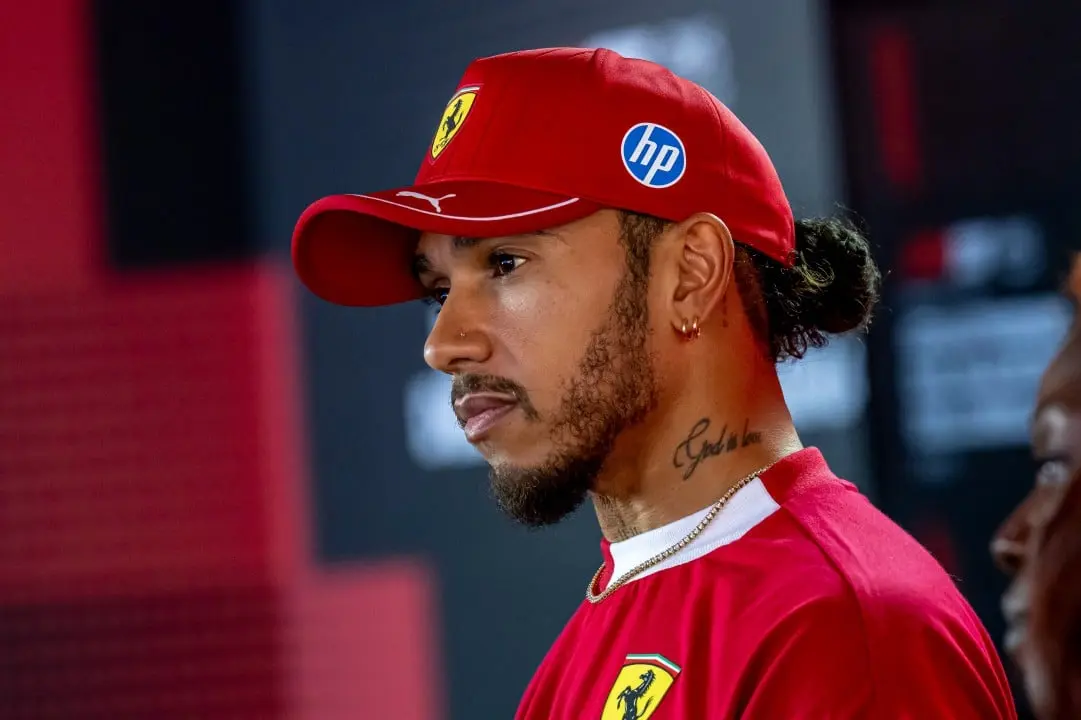
Two of the biggest names in Formula 1, Lewis Hamilton and Max Verstappen, joined together in a scathing criticism of the values considered “ridiculous and insane” practiced in the basic categories of motorsport. The drivers’ central concern is the increasing difficulty for young talents from families with less purchasing power to enter and progress in the sport.
Seven-time world champion Lewis Hamilton, a Ferrari driver in the main category, urged the International Automobile Federation (FIA) and Formula 1 to implement significant changes. He argues that these changes are essential to making motorsport more inclusive, pointing to the exorbitant costs of karting as an insurmountable obstacle for many.
Hamilton points out that the path of motorsport has gone in the “wrong direction”, as the high cost of entry prevents the participation of children from homes with medium and low incomes. The financial barrier becomes a determining factor, often overriding pure talent.
The Briton expressed his dissatisfaction with the perceived lack of responsibility on the part of the governing bodies of the youth categories. He argues for the urgent need to find methods that enable access, describing the current situation as “ridiculous” and unsustainable for the long-term health of the sport.
To illustrate the seriousness of the problem, Hamilton shared an impactful example: an eight-year-old child would be costing more than one million dollars (equivalent to R$5.17 million) per year in karting. He contrasted this reality with his own beginnings, when his father invested £20,000 in the first year, an endeavor that required financial sacrifices, including refinancing the house and running out of credit cards. The comparison shows that, nowadays, it would be “highly unlikely, if not impossible”, for someone from humble origins to reach the same level, a scenario that, according to him, should not be allowed.
Hamilton also warned that the future of motorsport runs the risk of being shaped not by the merit and ability of young drivers, but by the financial capacity of “families with more money, who create options for privileged children.” He emphasized that the responsibility to reverse this trend and ensure the diversity and sustainability of the sport lies with the FIA and Formula 1.
Verstappen suggests simulators as an affordable alternative
Max Verstappen, four-time champion and Hamilton’s rival, also spoke out on the issue. The Dutchman, who runs a hybrid team focused on esports and real racing to develop new talent, sees simulators as a more economical way to train drivers. He believes that technological advancement and the realism of these equipment can offer a gateway for young aspirants.
Leia Também
Messi reaches 19 goals in FIFA World Cups with great free kick for Argentina in clash with Jordan

Cristiano Ronaldo shines beyond the pitch at the 2026 World Cup with business empire and family luxury

At 41, Cristiano Ronaldo reaffirms his historic legacy and prepares to shine in the 2026 World Cup
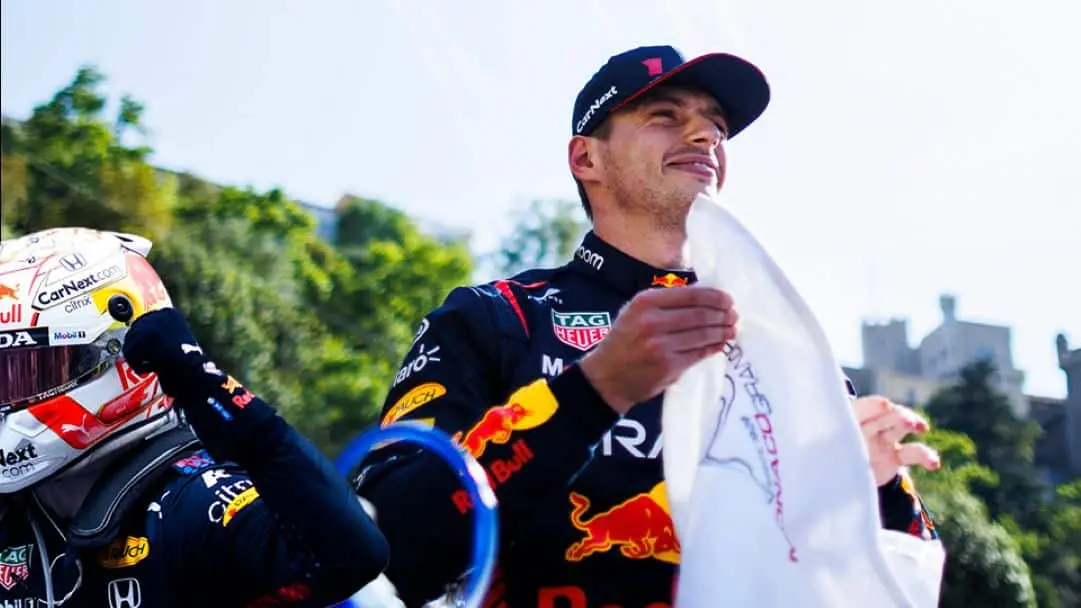
Verstappen agreed that, although karting is a fundamental basis for learning, costs continue to rise, citing amounts of 10 to 12 thousand pounds (between R$14,700 and R$17,700) for a single stage in mini-karts. For him, these “insane” values end up limiting genuine talents who do not have the necessary financial support to progress towards the formula categories.
For this reason, the Red Bull Racing driver defends the importance of exploring possibilities beyond traditional karting. He noted that many children currently combine karting with simulator racing, where they learn to drive F4 or GT cars. Verstappen argued that the precision of the simulators allows drivers to be “10 steps ahead” in terms of preparation before getting into a real formula car, offering a low-cost, high-impact education.
Ocon reports family sacrifices and warns of unfeasible prices
Esteban Ocon, a Haas driver, echoed his colleagues’ concerns. He recalled that his parents, from humble origins, sold the family home to finance his career. Ocon stated that with the current costs of mini-kart racing it would be impossible for him to start over and reach Formula 1, describing the prices as “pretty crazy” and a “shame” for motorsport.
Ocon suggested that a combination of “70% simulator and 30% real kart driving” could be the ideal path. However, he highlighted the difficulty of ensuring that young drivers have access to real racing experience at an affordable price, something that has become extremely complicated in the current reality.
FIA seeks solutions with Global Kart Plan
In an effort to address the issue of high costs, the FIA launched the Global Karting Plan. This project, lasting three years, aims to create alternative paths for young talents and, consequently, reduce the initial cost of participating in sport. The initiative represents an important first step by the entity towards a more democratic and inclusive motorsport.
As part of this plan, the FIA has already organized an “Arrive and Drive World Cup” in Malaysia, which utilized standardized karts for talent from across Asia. Furthermore, the federation created a “Karting Excellence Center”, with the aim of offering training and support to promising talents in karting, seeking to encourage the development of future champions regardless of their financial condition.