Gerard Butler’s Netflix film, ‘In the Hand of Dante’, is criticized and receives a low score on review site
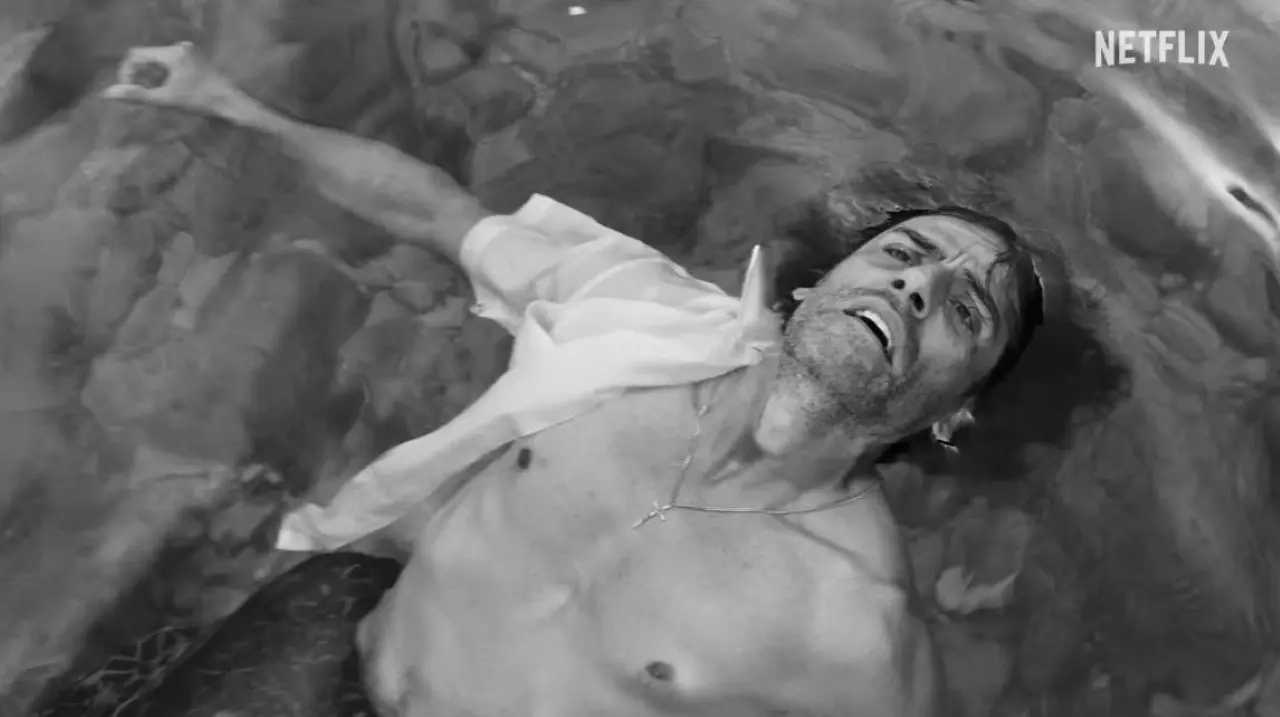
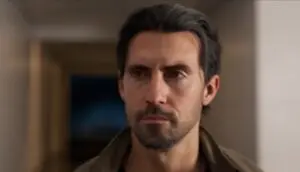
The new crime thriller “In the Hand of Dante”, starring Gerard Butler, Al Pacino and Oscar Isaac, debuted on Netflix on June 24, 2026 and is already facing severe criticism. The production, which brings together a strong cast, was negatively evaluated by experts and achieved a score considered disappointing in one of the main film review aggregators. The initial result positions the title as one of the least acclaimed releases on the platform this year.
“In the Hand of Dante” and initial critical reception
The website Rotten Tomatoes, known for compiling reviews from global critics, recorded an approval rating of just 38% for “In the Hand of Dante”, based on 26 reviews. This mark indicates a majority of unfavorable opinions, which point to flaws in the narrative, execution or adaptation of the literary work. The low score is particularly notable considering the prestige of the actors involved and the high expectations generated around the project.
Early critical awareness for films on Netflix is crucial as it can directly influence viewership and digital word of mouth. An unfavorable score on Rotten Tomatoes tends to discourage new viewers, despite the convenience of access offered by streaming. For a platform that invests massively in original content, the negative reaction represents a challenge in maintaining its reputation for quality.
The film’s complex production journey
The conception of “In the Hand of Dante” dates back to 2008, when the rights to Nick Tosches’ book were acquired, beginning a long and arduous journey of development. Projects with such an extensive production period often face changes in direction, cast and crew, which can impact the cohesion of the final product. This turbulent trajectory of almost two decades suggests that the film overcame several obstacles before finally reaching the screens.
The complexity of adapting a novel with ambitious premises and multiple timelines may also have contributed to production challenges. Transforming a dense literary work into a cinematic script that resonates with audiences and critics is a task that requires great skill and artistic sensitivity. The long road to its debut on Netflix highlights the persistence, but also the risks inherent to cinematic megaproductions.
The stellar cast and director Julian Schnabel’s vision
The list of actors in “In the Hand of Dante” is impressive, featuring names like Oscar Isaac, Gerard Butler, Jason Momoa, Al Pacino, Gal Gadot and John Malkovich. This team of stars, many of them Oscar winners, normally guarantees attention and, in theory, a certain level of quality in acting. The presence of Martin Scorsese as executive producer also adds significant weight to the project, raising the expectations of film fans.
Leia Também
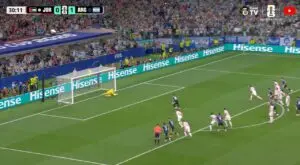
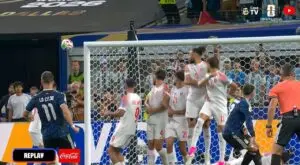
Messi reaches 19 goals in FIFA World Cups with great free kick for Argentina in clash with Jordan

Cristiano Ronaldo shines beyond the pitch at the 2026 World Cup with business empire and family luxury

At 41, Cristiano Ronaldo reaffirms his historic legacy and prepares to shine in the 2026 World Cup
It was directed by Julian Schnabel, a renowned artist and acclaimed filmmaker, known for works such as “The Diving Bell and the Butterfly” (2007) and “Before Dark” (2000), both receiving Oscar nominations. Schnabel is valued for his artistic approach and ability to create impactful visual narratives. The expectation was that his unique vision would heighten the suspense, but critical reception indicates that, in this case, the combination of talent did not result in the expected success.
The dual plot and the original work that inspired the adaptation
The film “In the Hand of Dante” is based on the novel of the same name by Nick Tosches, released in 2002, and presents a fascinating premise of time travel and mystery. Oscar Isaac plays dual roles: author Nick Tosches in the 21st century, who is wanted by the mob to locate the original manuscript of the “Divine Comedy”, and Dante Alighieri himself in the 14th century, as he writes his masterpiece. This complex narrative structure interconnects two eras and two characters in a search for art and power.
Dante Alighieri’s “Divine Comedy” is a pillar of world literature, and its inclusion in the plot elevates the intellectual scope of the work. However, the audacity of switching between these two narratives may have been a point of contention for critics. The challenge of maintaining cohesion and pacing in a story that unfolds across distinct centuries, requiring an in-depth understanding of both medieval history and a contemporary thriller, is immense.
Netflix and the crime thriller genre on its platform
Netflix has a long history of successful investments in the crime thriller genre, which has proven to be an audience magnet around the world. Series such as “Peaky Blinders”, with Cillian Murphy, and “The Gentlemen”, starring Theo James, are examples of productions that captivated the public and critics, solidifying the platform’s presence in the niche. Other streaming services are also betting heavily, such as “MobLand” on Paramount+ and “Tulsa King” by Sylvester Stallone.
- “Peaky Blinders”: Acclaimed British series about a post-World War I gangster family.
- “The Gentlemen”: Production that explores the criminal underworld with touches of humor and sophistication.
- “MobLand”: Series that delves into plots involving the contemporary American mafia.
- “Tulsa King”: Stars Sylvester Stallone as a mobster sent to Oklahoma.
The success of these productions demonstrates the continued demand for complex stories and striking characters within the criminal universe. “In the Hand of Dante” tried to fit into that portfolio, but the critical reaction suggests that, despite the intentions and the strong cast, the film may not have reached the level of excellence expected by genre aficionados and cinema experts. Public reception is yet to be fully assessed, and it will be interesting to see whether viewers’ opinions diverge significantly from critics’ views.