Ronaldinho Gaúcho, aged 46, seals his return to the pitch in a marketing move to boost Ravenna
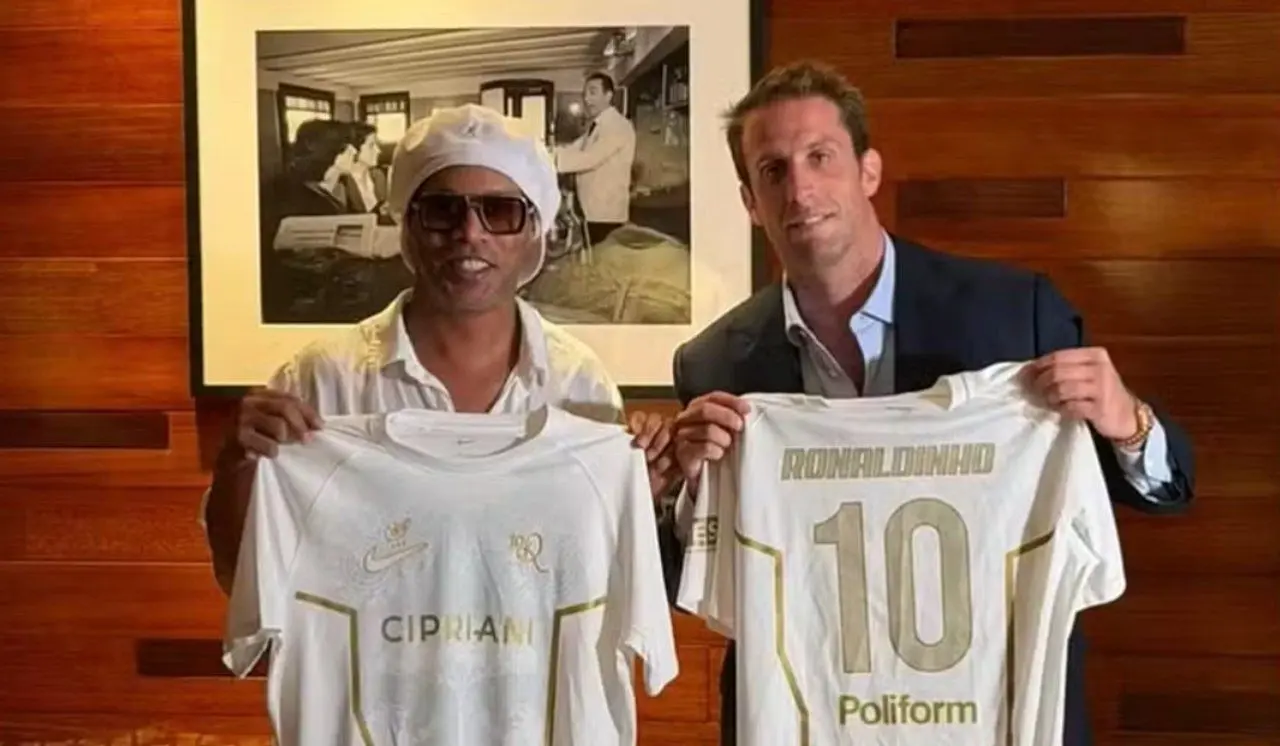
Star Ronaldinho Gaúcho, icon of world football, surprises by confirming his return to the pitch. At 46 years old, the former number 10 will wear the shirt of Ravenna, a club in the Italian third division. This movement transcends the purely sporting aspect, configuring a marketing strategy designed to give the team a new projection.
Behind this initiative is businessman Ignazio Cipriani, who took charge of Ravenna in 2024. The objective is ambitious: taking the team to the elite of Italian football, Serie A, and, at the same time, catapulting its international visibility. The arrival of the Brazilian star is seen as the main driver for achieving these bold goals.
The strategic vision of Ravenna’s new owner
Businessman Ignazio Cipriani did not hide his intentions when acquiring Ravenna. His plan is clear: capitalize on Ronaldinho Gaúcho’s fame to generate unprecedented global exposure for the club. In a statement to Reuters, Cipriani emphasized that the former player’s mere presence has the power to attract the attention of fans and investors from all over the world.
This strategic approach seeks to strengthen Ravenna’s brand and boost the club’s sporting planning, which historically has little projection outside Italy. The bet is that the charisma and legacy of the “Bruxo” will serve as a beacon, directing the spotlight to a club with tradition, but which needs a new breath to take greater heights on the European scene.
Ronaldinho explains personal motivations for his return
Ronaldinho Gaúcho’s decision to accept the invitation goes beyond financial appeal and marketing strategy. The former player revealed that one of the big reasons was his long friendship with the Cipriani family. The personal connection and harmony of ideas with the Ravenna owner were crucial factors for the agreement to be sealed.
According to the star himself, the collaboration came about spontaneously. Ronaldinho expressed his desire to contribute to the growth of the Italian club, but also to inspire others to pursue their own dreams. His figure, even if in a more symbolic role on the field, promises to rekindle the enthusiasm and passion around Ravenna.
Leia Também
At 41, Cristiano Ronaldo reaffirms his historic legacy and prepares to shine in the 2026 World Cup
Portugal draws goalless with Colombia in the 2026 World Cup and Cristiano Ronaldo has a lackluster performance
VAR decides to cancel Colombia’s goal against Portugal after a thorough analysis of the tip of the boot, impacting the classification in Group K of the 2026 World Cup
Ravenna’s ambitious promotion plan to Serie A and challenges
Ravenna currently competes in Serie C of the Italian Championship, which makes the goal of reaching Serie A extremely challenging. Historically, the club last participated in the top division of Italian football in the 1990s. Moving up a division requires not only financial investment, but also consistent sporting performance and long-term planning.
The journey from Series C to Series A is made up of successive promotions and involves facing high-level opponents each year. Ronaldinho’s presence aims to attract the necessary resources to reinforce the squad, improve infrastructure and further professionalize management. The success of the strategy will depend on the club’s ability to translate visibility into concrete results on and off the field.
The trend of idols in new roles in modern football
Ronaldinho Gaúcho’s return to a role that mixes performance and marketing is not an isolated event in contemporary football. Many clubs use the image of former stars to boost their brands and attract new audiences. David Beckham, for example, had a symbolic spell at Paris Saint-Germain in the last years of his career, generating a huge media impact for the French club.
This strategy allows clubs of different sizes to benefit from the personal brand of athletes who have become legends. The presence of a name like Ronaldinho Gaúcho guarantees:
- Greater specialized media coverage.
- Increase in sales of licensed products and tickets.
- Attracting sponsorships from large companies.
- Expansion of the fan base on digital platforms.
- Gain of reputation and credibility on the international scene.
This trend demonstrates how modern football increasingly integrates sport with business and branding strategies, seeking to maximize the value of icons for the benefit of sporting institutions.