Deputy Comer reveals that Leon Black avoided questions about confidentiality agreements in Epstein’s testimony
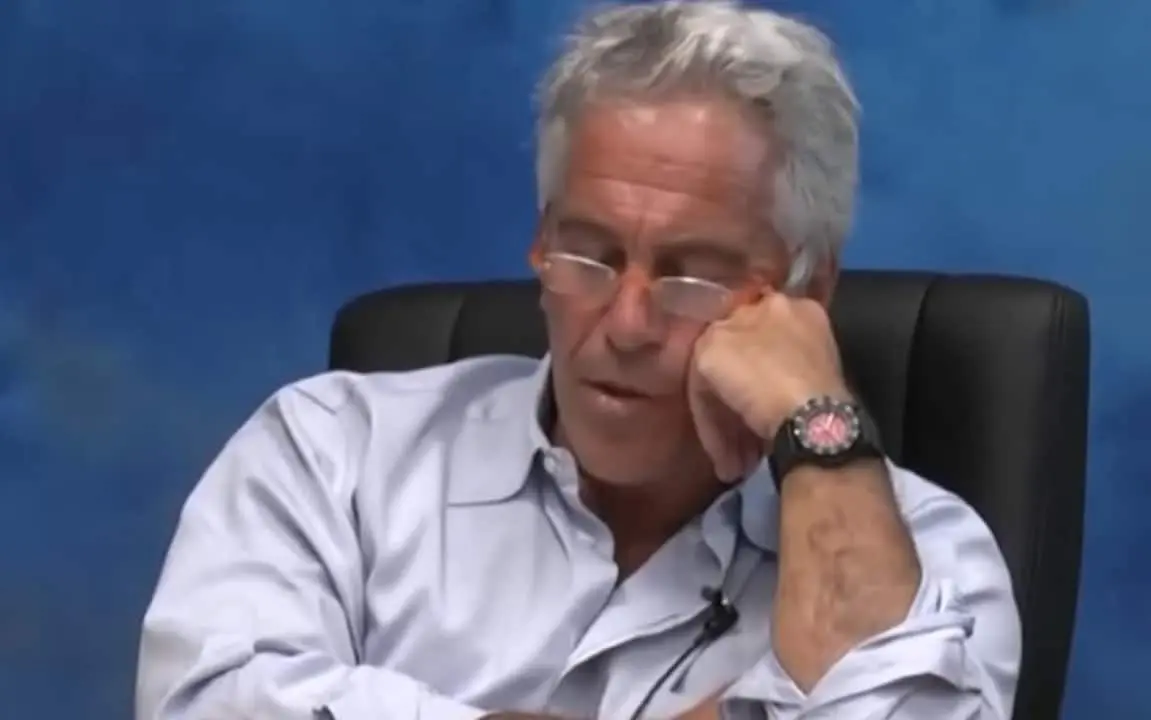
Former Apollo Global Management CEO Leon Black refused to answer questions related to confidentiality agreements to which he is a party during his testimony about negotiations with Jeffrey Epstein. The statement was made on Friday by the Republican chairman of a House of Representatives committee.
James Comer, Congressman from Kentucky and chairman of the commission, explained that two subpoenas were issued against Black. One of them requires the presentation of all confidentiality pacts to which he is a party, and the other, a deposition scheduled for July 16th.
In an initial prepared statement, Black claimed he was scammed by convicted sex offender Jeffrey Epstein out of more than $60 million in financial consulting fees.
Black, the former leader of Apollo, once again chose not to address questions about the confidentiality terms to which he is bound during his testimony to the House committee investigating his interactions with Jeffrey Epstein, as announced by the committee’s Republican chairman.
Representative Comer, representing Kentucky, reiterated that his committee issued two subpoenas against Black. One of them demands access to all confidentiality agreements, and the second summons the businessman for a new testimony on July 16th.
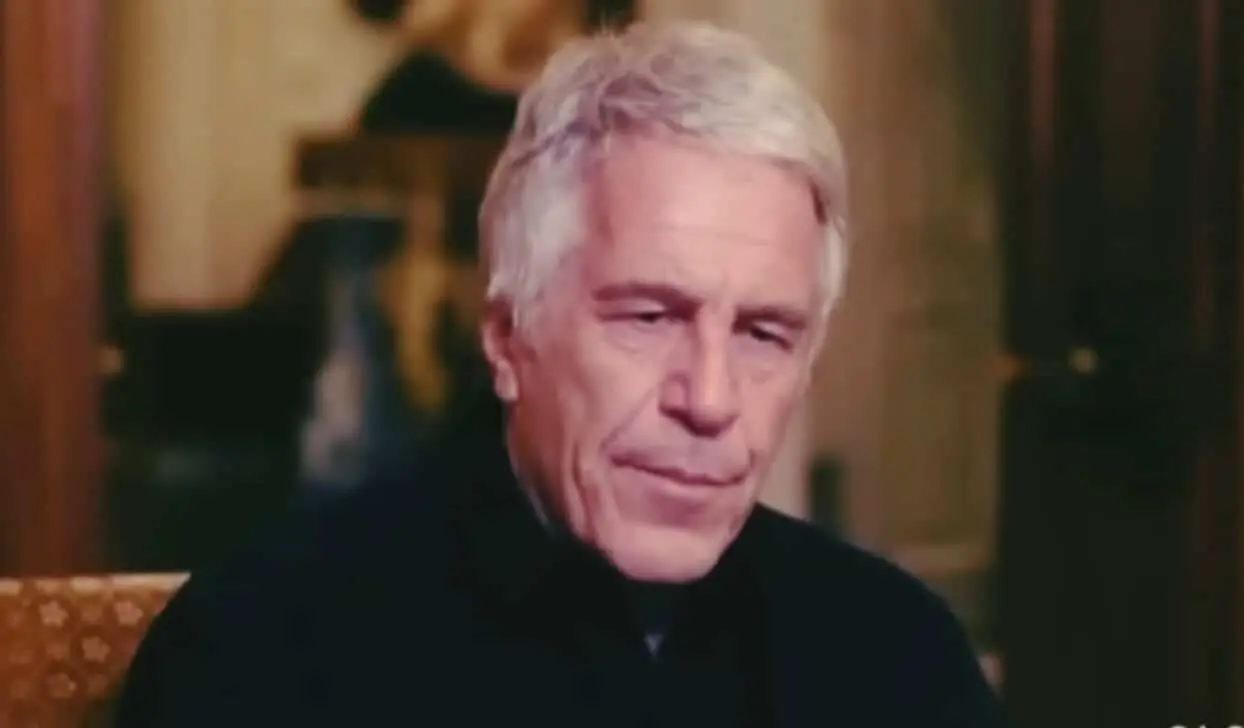
After the House Oversight and Government Reform Committee hearing, Comer told reporters that the refusal to detail confidentiality agreements and their terms was the reason for the subpoenas. He stressed the crucial importance of this information to the ongoing investigation into Jeffrey Epstein’s network.
Comer also mentioned that although Mr. Black appeared voluntarily, his refusal to disclose details led to the issuance of the subpoenas, which were being served on him at the time of the deputy’s statement.
In a statement to the press, Susan Estrich, Leon Black’s lawyer, described the issuance of the subpoenas as a “premeditated political decision”.
Estrich made a point of stating that Black never abused women, was never involved with minors, nor participated in sex trafficking. She added that her client never paid Epstein to have access to women and was never blackmailed by him, being unaware of any of the criminal’s heinous conduct.
Black, in his prepared opening statement, detailed that Epstein deceived him by embezzling more than $60 million in financial advisory fees under the false claim that they were tax deductible.
He also maintained that he had no role in Epstein’s sex trafficking network and that he never offered the criminal money to access women.
The businessman reported, in an initial statement shared with CNBC, that he was deceived by Epstein’s complex and ambiguous personality.
The House of Representatives Committee on Oversight and Government Reform has been dedicated to investigating Epstein’s connections to several influential and wealthy figures.
Leia Também

Messi reaches 19 goals in FIFA World Cups with great free kick for Argentina in clash with Jordan

Cristiano Ronaldo shines beyond the pitch at the 2026 World Cup with business empire and family luxury

At 41, Cristiano Ronaldo reaffirms his historic legacy and prepares to shine in the 2026 World Cup
Previously, Representative Comer had commented to the press that Black’s interview had the potential to be the most revealing of all the statements collected.
The president of the commission assessed that the situation was “quite significant”.
In his prepared statement, Black said: “I come here today voluntarily to set the record straight about my relationship with Jeffrey Epstein and, in particular, why I paid him the money I did.”
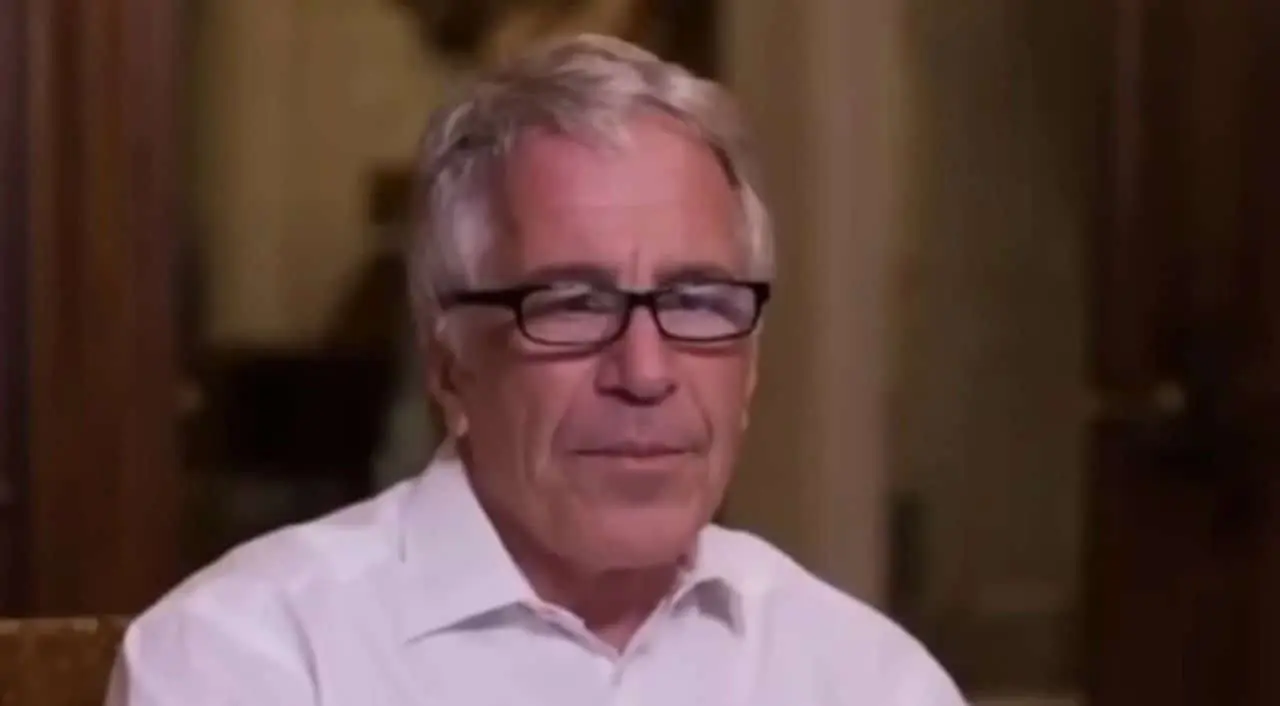
“Let me state unequivocally that I have never abused a woman,” Black said in his statement.
He added: “I have never been with a minor. I have never been involved in sex trafficking. I have never paid Epstein for access to women.”
Black emphasized: “I was never blackmailed by Epstein. I was not involved in and had no knowledge of any of Epstein’s heinous conduct.”
“I knew Dr. Jekyll. I didn’t know Mr. Hyde,” Black stated.
“I knew Dr. Jekyll. I didn’t know Mr. Hyde,” he reiterated, referring to Epstein’s double-facedness.
“I knew Dr. Jekyll. I didn’t know Mr. Hyde,” Black concluded in his remarks. In his statement, Black relied on the 2021 findings of the so-called Dechert report, named after the law firm hired to examine how much he paid Epstein for financial advice, the work done by Epstein and whether he had knowledge of Epstein’s conduct before his 2019 arrest on federal charges of sex trafficking of minors.
“The Dechert report concluded that I paid Epstein $158 million,” Black said, according to the prepared statement.
Dechert analyzed the services provided by Epstein and confirmed that he performed legitimate, high-value tax and estate planning work for Black’s family office, resulting in billions in tax savings.