High maintenance cost of Omoda 5 HEV disadvantages Chinese SUV against Toyota Corolla Cross and GAC GS4
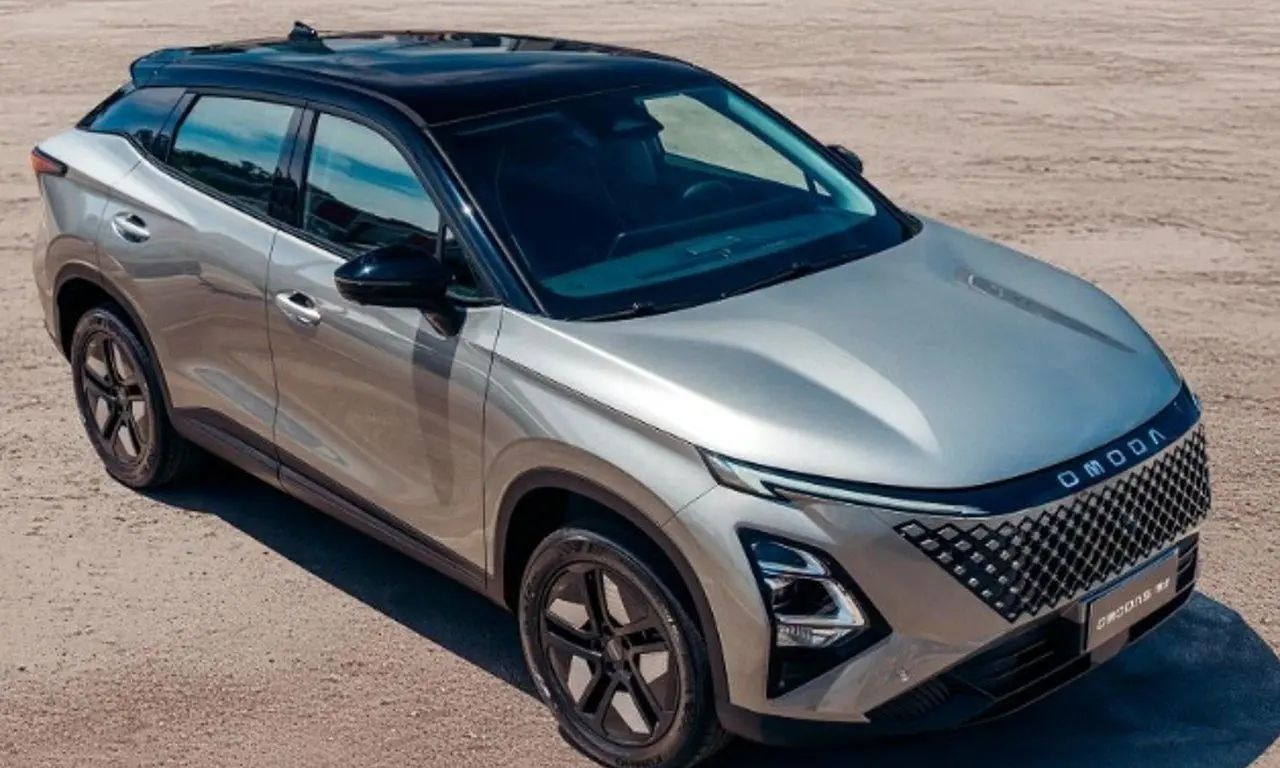
The Omoda 5 HEV, a new hybrid SUV, arrived on the Brazilian market with the promise of combining modernity and consumption efficiency. Reaching an impressive 23 kilometers per liter, the model demonstrates remarkable performance for its category.
However, the initial appeal of the vehicle of Chinese origin may be overshadowed by the high costs of its scheduled revisions, which total approximately R$7,400.
This maintenance expense places the Omoda 5 HEV in a less competitive position when compared to established vehicles such as the Toyota Corolla Cross Hybrid and the GAC GS4 Hybrid.
The proposed savings in daily use, one of the great differences of hybrids, runs the risk of being significantly compromised by long-term maintenance costs.
Analysis of the relationship between consumption and future expenses in the Omoda 5 HEV
The Omoda 5 HEV’s mechanical package combines a 1.5 turbo gasoline engine with an electric drive, designed to offer efficient driving.
In practice, low fuel consumption stands out as one of its greatest benefits, representing a considerable advantage for drivers who routinely travel long distances.
However, the savings generated in supply can be quickly neutralized by the high cost of revisions.
The amount of around R$7,400 for scheduled maintenance represents a significant factor for consumers looking for a hybrid SUV with a reduced total cost of ownership in the long term.
Leia Também

VAR decides to cancel Colombia’s goal against Portugal after a thorough analysis of the tip of the boot, impacting the classification in Group K of the 2026 World Cup

Lautaro Martínez simply scores a great penalty in Jordan x Argentina at the 2026 World Cup

Rota officer and family member of Eloá Pimentel is ambushed by gunfire at a traffic light in ABC Paulista
It is crucial that the buyer carefully evaluates this aspect before finalizing the choice of vehicle, considering the complete picture of expenses.
The strength of the Toyota Corolla Cross Hybrid in after-sales support
The Toyota Corolla Cross Hybrid appears as a direct rival, not only due to its electrified configuration, but also due to the brand’s consolidated reputation in Brazil.
Although hybrid versions of Toyota’s SUV may have a higher initial price, the model is differentiated by a robust and highly reliable after-sales service.
The extensive dealer network, the history of mechanical durability and the transparency in maintenance values are crucial elements that influence the consumer’s decision.
In a hybrid vehicle, which incorporates more complex technology, the guarantee of good service and ease of access to parts and services have considerable weight in the buyer’s final choice.
GAC GS4 Hybrid: highlights of the most robust Chinese rival
The GAC GS4 Hybrid is another electrified Chinese SUV participating in the dispute, positioned at a higher price than the Omoda 5 HEV, but delivering greater size and more power.
The model adopts a full hybrid system, which combines a gasoline engine and an electric drive, targeting consumers who prefer a more imposing vehicle with greater resistance.
The comparison between these models highlights the notable advance of Chinese manufacturers in the Brazilian automobile market.
Despite this, the cost of maintenance remains a fundamental aspect that can determine consumer preference.