Slimming pens and Mounjaro’s mouth: how to protect oral health during treatment
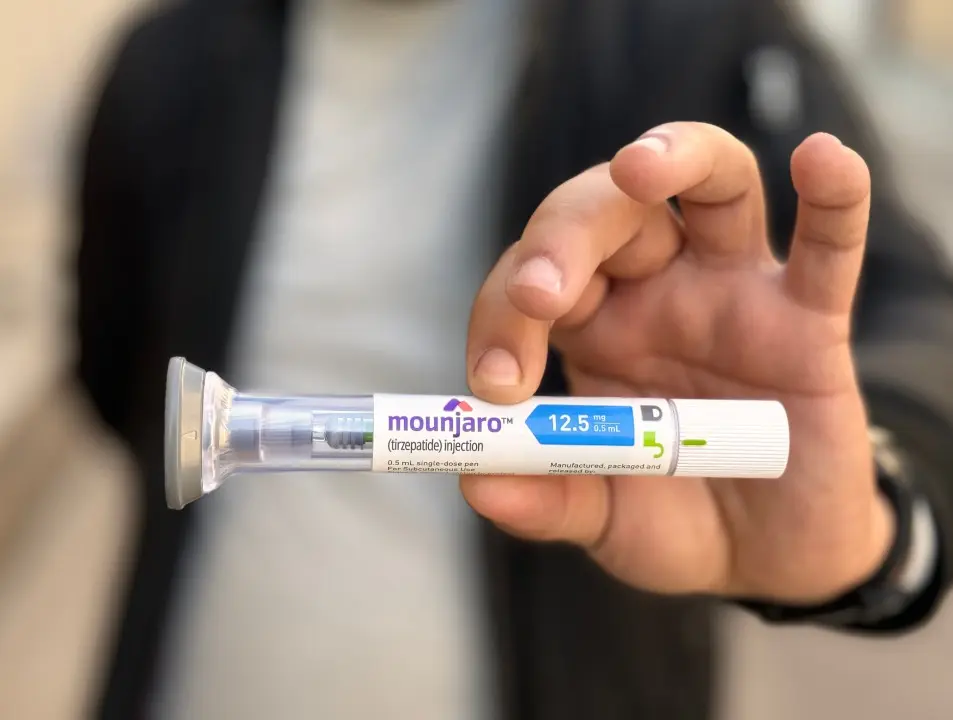
The growing popularity of GLP-1 analogue drugs, widely used for weight control and obesity treatment, has raised new discussions about their systemic effects. In addition to the results on the scale, experts are now warning of significant impacts on users’ oral health, a phenomenon known as “Mounjaro’s mouth”.
These medications can alter the functioning of the salivary glands, resulting in a decrease in saliva production. This substance is vital for maintaining the balance of the oral cavity, acting on digestion, lubrication and protection against infections.
How slimming pens affect saliva production and oral health
The action of GLP-1 analogues is not restricted to the digestive or metabolic system. They can directly impact the salivary glands, compromising the amount of saliva produced daily. With less saliva, the mouth’s natural defenses are weakened, making it more vulnerable to a series of problems.
In addition to the direct change, conditions such as nausea and episodes of vomiting, common in some patients, combined with dehydration, increase the risk of problems in the oral cavity. Reduced salivary flow compromises the mouth’s ability to clean itself and neutralize acids, creating an environment ripe for damage.
Leia Também

VAR decides to cancel Colombia’s goal against Portugal after a thorough analysis of the tip of the boot, impacting the classification in Group K of the 2026 World Cup

Lautaro Martínez simply scores a great penalty in Jordan x Argentina at the 2026 World Cup

Rota officer and family member of Eloá Pimentel is ambushed by gunfire at a traffic light in ABC Paulista
Main oral problems caused by the use of weight loss medications
Decreased saliva and other factors associated with treatment can lead to serious dental and gum complications. Among the most frequent risks are the erosion of tooth enamel, the increased incidence of cavities and the development of persistent bad breath, which affect the quality of life.
Bad breath, in particular, can be intensified by prolonged fasting or low-carb diets. These conditions lead to the formation of ketone bodies, substances that are eliminated through breathing and alter breath. The absence of saliva to dilute these compounds worsens the condition.
Essential recommendations to protect oral health during treatment
Faced with these potential impacts, experts in oral health and endocrinology emphasize the need to adopt strict preventive measures. Adjustments to your daily routine and hygiene are essential to minimize risks and maintain the integrity of your teeth and gums.
- Constant hydration:A daily intake of 2 to 2.5 liters of water is crucial to stimulate saliva production. Foods rich in water, such as fresh fruits and vegetables (cucumbers, watermelon, strawberries), also contribute to oral moisture and help hydrate.
- Balanced and fractional diet:Avoiding long periods of fasting and consuming smaller portions of food throughout the day can alleviate nausea and vomiting. Including slightly acidic foods, such as certain fruits, can help balance the stomach and stimulate salivation.
- Oral hygiene with specific tools:It is advisable to use ultra-soft toothbrushes to protect the enamel, which can be more vulnerable due to acidity and dry mouth. Interdental hygiene, with specific brushes, is also essential to clean difficult-to-reach areas without damaging them.
- Careful selection of toothpaste:Choose toothpastes that do not contain sodium lauryl sulfate (SLS), an agent that can cause irritation, mouth ulcers and peeling of the oral mucosa, in addition to drying out the mouth. Products without SLS stimulate the natural function of saliva and are gentler.
- Daily tongue cleaning:Removing the tongue coating, a whitish layer that accumulates on the tongue, is important to combat bad breath. Use tongue scrapers or brushes designed for this purpose, ensuring deep cleaning of the grooves and eliminating residue.
- Attention after episodes of vomiting:In case of frequent nausea and vomiting, gastric juice severely attacks the teeth and oral cavity. It is recommended to wait approximately 30 minutes before brushing your teeth, allowing the oral pH to rebalance naturally and minimizing acid erosion.