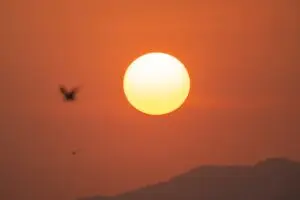
Total solar eclipse on August 12, 2026 will be the most impactful of the 21st century in the northern hemisphere
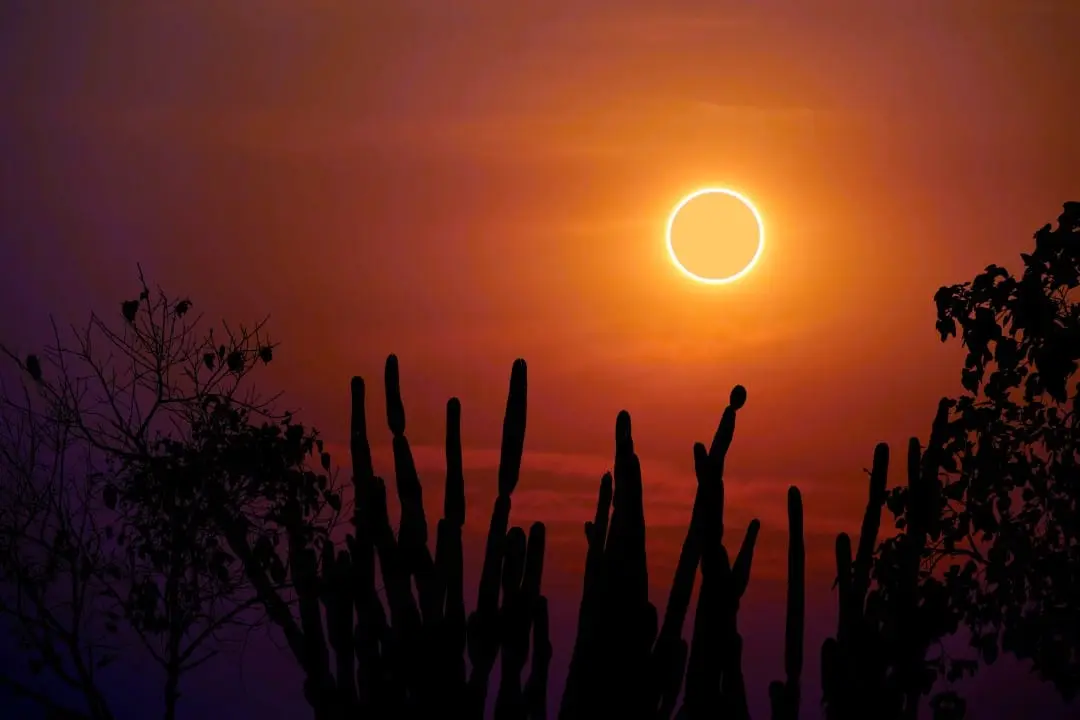
Moments before, the daily hustle and bustle dominated the urban landscape, with sounds of children playing, hurried delivery men and music coming from open windows. In a matter of seconds, the scenery transformed: a point at the sky made the commotion abruptly cease. The luminosity took on an unusual hue, while the shadows were cast in a sharp, angular manner.
A dog broke the silence with barks aimed at the air, and a young man described the scene as a “glitch in the Matrix”. This episode, experienced in 2024, represented only a brief partial eclipse.
However, the astronomical community is now warning that an even more impressive event is imminent.
Scientists reveal exact date for when the sky will darken
Initially released in technical documents and discreet academic presentations, the news gained traction among experts: the longest-lasting total solar eclipse of the 21st century now has a precisely defined date and route. The era of broad predictions comes to an end; millions of people will have the chance to witness the sun disappear, turning midday into a brief night.
This revelation transformed the environment at the observatories, and searches for the phenomenon on the internet registered a significant increase.
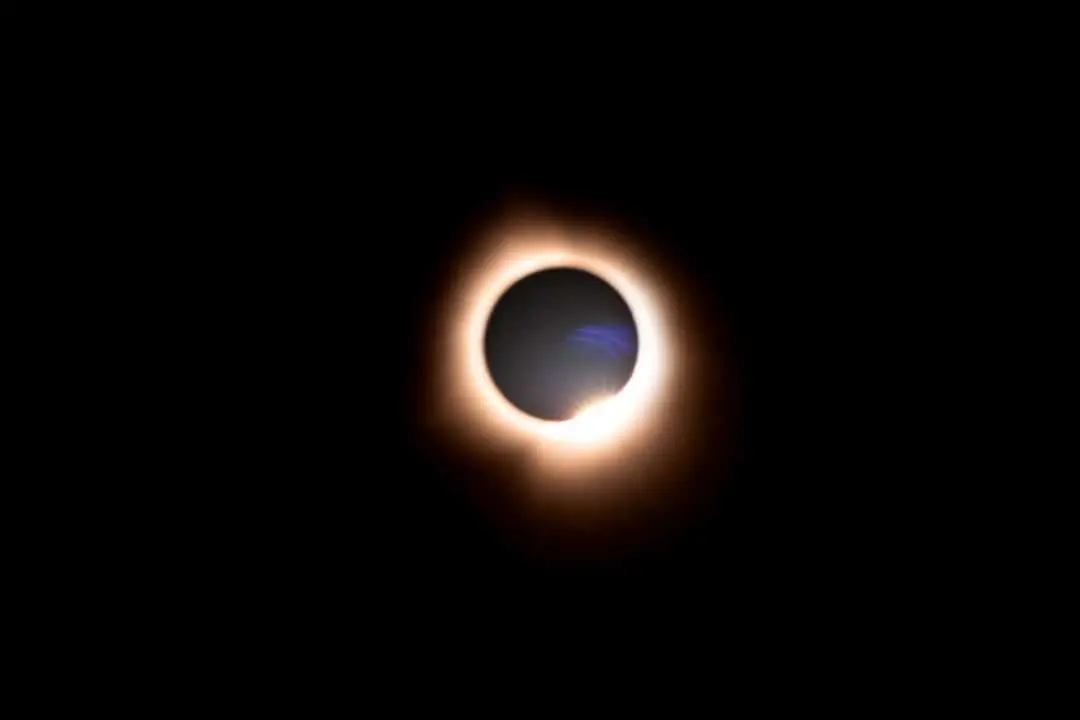
International observatories and sky monitoring groups have converged on confirmation: August 12, 2026 will be the date of a total solar eclipse. Its main trajectory will pass through regions of the Northern Hemisphere, promising a spectacular view. Across this geographic range, which ranges from isolated valleys to dense metropolitan areas, the landscape will transform, with birds becoming muted, planets visible in broad daylight and the solar halo glowing around the dark lunar disk.
The phase of maximum totality, for those located in the path of the phenomenon, will exceed three and a half minutes. Although it does not represent a historical duration record, this event is considered extraordinary for the current century, given the unique combination of its visibility time, geographic extension and the number of inhabitants who will be able to observe it.
There is notable excitement among astronomers when discussing this eclipse. While they understand that these phenomena are predictable, not miraculous events, this one in particular stands out for a rare confluence of factors. Celestial geometry, orbital periods, time of year, and the Moon’s distance from Earth align perfectly. A slightly closer-to-average lunar position, ideal terrestrial positioning, and coordinated solar behavior elevate this event from something ordinary to a milestone for the century.
This precision is rooted in complex mathematical calculations, including millisecond-accurate ephemerides and laser measurements of the lunar orbit, the result of decades of refinement. The outcome is clear: scientists can now predict, with complete certainty, the moment when darkness will take over the day.
Leia Também

VAR decides to cancel Colombia’s goal against Portugal after a thorough analysis of the tip of the boot, impacting the classification in Group K of the 2026 World Cup

Lautaro Martínez simply scores a great penalty in Jordan x Argentina at the 2026 World Cup

Rota officer and family member of Eloá Pimentel is ambushed by gunfire at a traffic light in ABC Paulista
Preparing for the full solar eclipse experience
Unlike a YouTube video, a total solar eclipse is not an event to just watch passively. It requires preparation that is similar to a small adventure, and the starting point is a crucial factor: location. Being more than 80 or 100 kilometers from the band of totality will result in only a partial observation, which, although interesting, does not offer the same depth as the full experience.
Detailed maps, which indicate cities, airports and road routes under the densest shadow area, are now being made available by astronomers. The most recommended strategy involves choosing a location within this range and defining an alternative a few hours away, in case of unfavorable weather conditions.
It is common for people to only realize the enormity of a once-in-a-lifetime event when it has already passed. With eclipses, the common mistake is to stay at home, observe a slight darkening of the sky, and then resume everyday activities, thus missing the most significant moment: totality.
For this occasion, a different approach is suggested: record the date on the calendar, talk to friends and consider planning your trip in advance to avoid rising prices and a shortage of accommodation. For families with children, the phenomenon represents a memorable science lesson that they will remember throughout their adult lives.
Let’s admit it: few dedicate themselves to reading extensive NASA reports every day. “People believe they understand an eclipse through photographs,” says Lina Patel, an astrophysicist dedicated to following these events globally. “They don’t understand. The nuance of the sky, the response of the animals, the emotion in their chest when the sun suddenly reappears — the camera lens never captures that fullness.”
- Check the area of totality: Consult accurate maps from observatories or space agencies to know if your location will be in complete shadow.
- Purchase certified glasses: buy ISO standard visors from trusted suppliers, ensuring safety and discarding damaged or improvised options.
- Choose your observation point: look for a place with an unobstructed view of the horizon, little artificial lighting and space to settle in, away from large crowds.
- Be prepared for the cold: bring light clothing, as the temperature can drop considerably during solar darkness, even in August.
- Define your observation method: decide whether you will use only direct vision (exclusively during totality), binoculars with filters or a camera, and carry out preliminary tests.
The profound emotional impact of a total solar eclipse
For those who have already experienced a total eclipse, the description of the experience transcends the common report, taking on a tone of deep introspection. Some observers report an atavistic dread, a primal sense that “something is wrong with the Sun” that resonates in the unconscious. Others, in turn, describe a serenity so intense that it manifests itself physically, as if the noise of the world had suddenly been silenced.
Even experienced scientists, in more intimate moments, confess that the first visualization of the solar corona can evoke an almost spiritual sensation, regardless of their personal beliefs.
Although this eclipse, the most extensive of the century, will not be visible to the entire global population, it will certainly reignite attention on this unique and transformative experience.