
Price of Valve’s Steam Machine surprises consumers by being almost double that of a PS5, despite similar performance


Valve launched the Steam Machine with the promise of being a unique gaming console, seeking its own space in the competitive market. The device, however, has a high cost, raising questions about its ability to stand out against already established competitors. The company’s ambition is clear, but the path to winning over players can be challenging.
The initial experience with the Steam Machine revealed a reality closer to a complex personal computer than a traditional video game console. Far from uncomplicated use, the first moments were marked by the need to solve technical problems, suggesting that the device operates like a PC with important distinctions.
Since the Magnavox Odyssey’s debut in 1972, traditional video game consoles have followed a simple formula. Manufacturers such as Nintendo, Sony and Microsoft have consolidated a business model focused on proprietary games and ease of use, where the player simply connects the device to the television and inserts the game to start the fun.
Steam Machine, in turn, aims to transcend this standard. It represents a vision of a gaming platform with fewer restrictions and a vast catalog of titles, although this requires a significantly greater financial investment. The cost of purchasing Valve’s new device could be almost double the value of a PlayStation 5.
Valve has released the initial prices for the Steam Machine, which starts at US$1,049 without a controller and reaches US$1,128 with a gamepad included. Surprisingly, this high value does not translate into performance superior to that of Sony’s PlayStation 5, launched more than five years ago. Tests indicate that the PS5, even after price adjustments and costing US$650 in its basic version, offers sharper graphics in titles such as Cyberpunk 2077 and Horizon Zero Dawn Remastered.
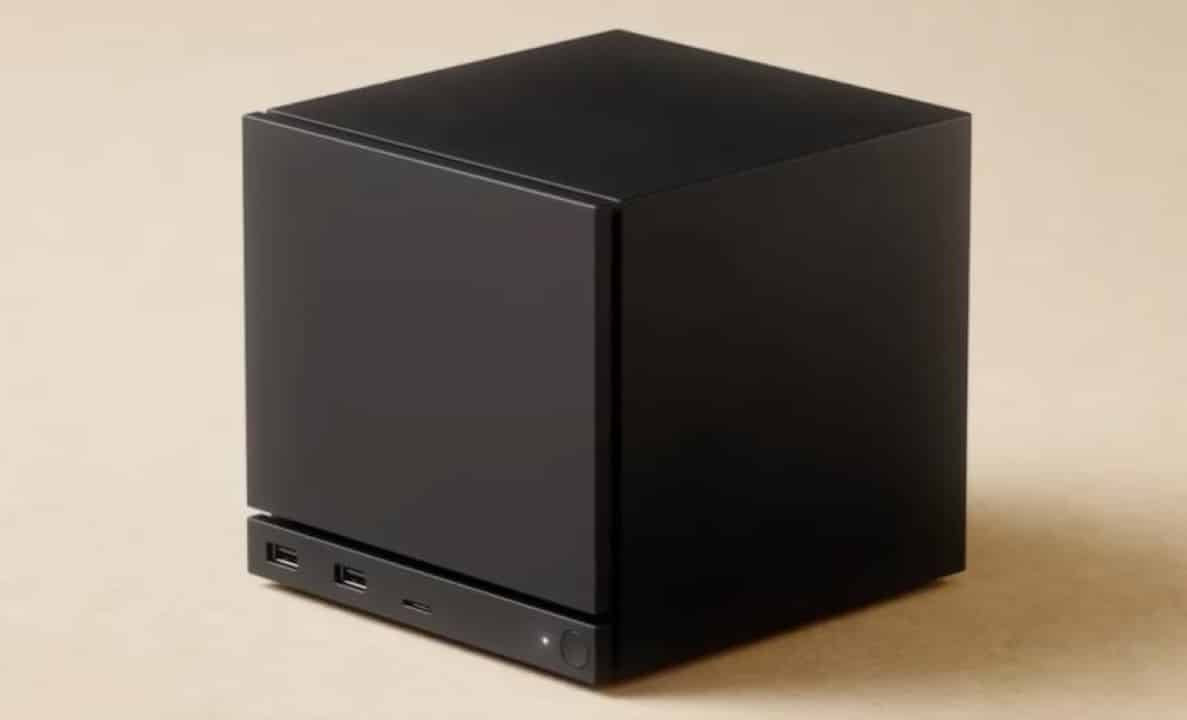
Innovative Steam Machine performance and design
Despite the price, the Steam Machine presents itself as a PC optimized for the console experience. It is distinguished by extremely quiet operation and an efficient cooling system. Furthermore, the device is notably more compact than a PlayStation 5, offering fluidity and compatibility with several modern gamepads, eliminating the need for a mouse or keyboard to manage and play titles.
Valve’s strategy and the high cost of equipment
Valve is betting that the Steam Machine represents the best solution for integrating a powerful PC into the living room, surpassing homemade setups. The company stated that it is selling the device’s components at cost price, after negotiations with suppliers. This strategy aims to minimize the impact of a global memory supply and demand crisis, which partly justifies the final value of the product.
Given all the features and the investment required, the question remains: does the Steam Machine justify its price of US$1,049? The answer will depend on individual consumer expectations and Valve’s ability to resolve any problems before the product officially hits the market.





