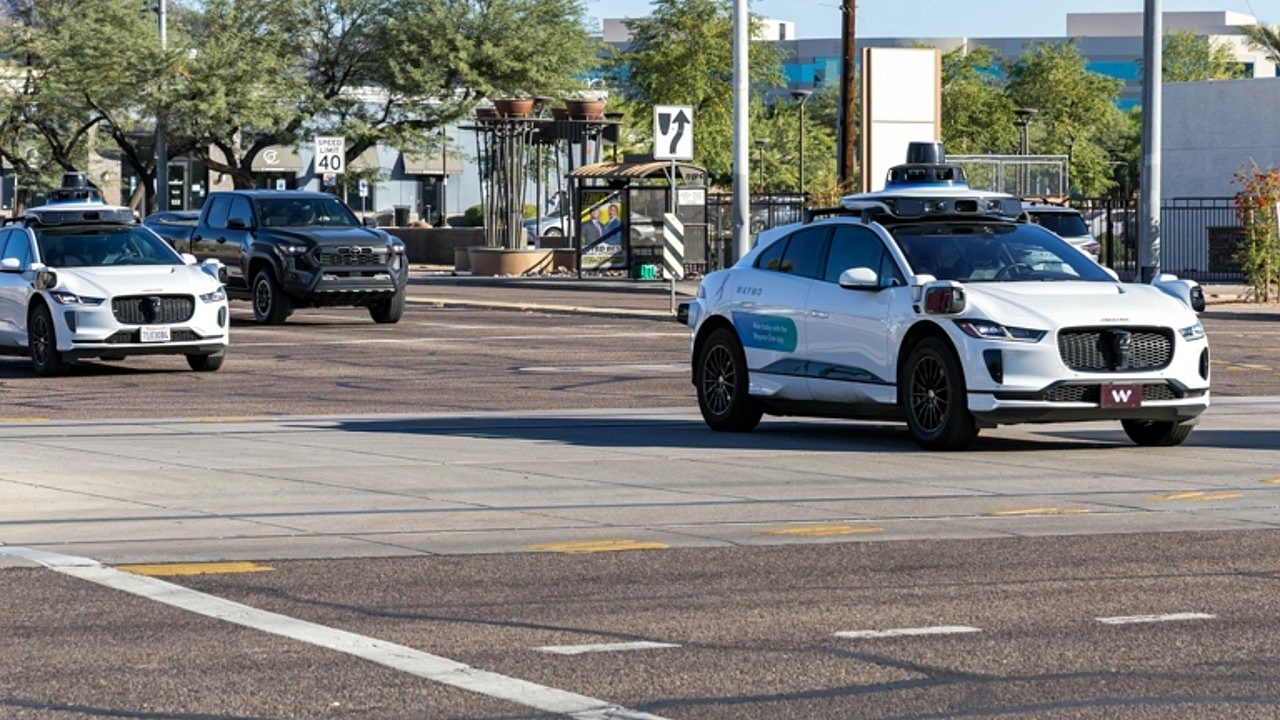
The circulation of driverless taxis has expanded significantly globally in the last twelve months, consolidating public perception of autonomous vehicles. With this evolution, individual investors are finding new avenues to enter the market, which, in turn, signals a significant transformation in the equity environment. The recent robust injection of capital from non-institutional investors has been a crucial factor, raising concerns that the autonomous driving sector may be entering a phase of excessive valuation.
This scenario evokes memories of other times of intense speculation and euphoria in the technological universe, such as the internet bubble in the late 90s or the recent frenzy around cryptoactives and some artificial intelligence startups. On these past occasions, the expectation of quick profits and the belief in a “disruptive” technology led to unsustainable valuations, culminating in drastic corrections.
The very rapid appreciation of companies with little or no revenue, driven by optimism to the detriment of solid financial metrics, is one of the main warning signs that analysts are watching closely. This phenomenon not only creates opportunities, but also substantial risks for those seeking long-term returns, requiring a careful analysis of the fundamentals and real potential of each company.
The technology behind independent driving continues apace, showing consistent advances both in its implementation in everyday scenarios and in performance on trading platforms. Practical advances include the improvement of artificial intelligence algorithms, the sophistication of sensors and mapping systems, and the increasing ability of vehicles to deal with complex weather and traffic conditions. This technological evolution translates into a vibrant market environment where software companies, component manufacturers and traditional automakers compete for space and capital.

The current moment is characterized by a conjunction of rapid innovations and increasing engagement from a diverse range of participants, from large corporations to small startups, including regulators and consumers. The prospect of a future with fully autonomous vehicles continues to drive excitement, with significant investments directed toward research and development, as well as mergers and acquisitions that are constantly reshaping the industry landscape.
It is important to emphasize the fundamental importance of reiterating that the content of this report aims exclusively to inform and contextualize the reader about the dynamics of the autonomous vehicle market.
Under no circumstances should the analyzes or observations presented here be interpreted as an indication, advice or recommendation for the purchase, sale or maintenance of any type of specific financial asset. In markets with high volatility and a large flow of speculative capital, such as that outlined for autonomous driving, prudence is an essential pillar for decision-making. Investing in emerging and high-tech sectors, especially during euphoric phases, carries inherent risks that can result in significant losses. Therefore, each individual should conduct their own in-depth research, consult certified professionals, and carefully consider their financial situation and risk tolerance before making any market moves.
For those looking to deepen their knowledge and obtain additional information about the complex universe of investments, it is highly recommended to consult a variety of specialized materials. These may include reports from market analysts, publications from regulatory bodies, academic studies on financial bubbles and technological innovations, as well as economic news platforms that offer in-depth analysis. The focus should be on content that explores not only uptrends, but also associated risks and methodologies for valuing companies in fast-growing sectors. Understanding different perspectives and staying up to date with market analyses, especially those that question current valuations, is vital to discerning between genuine technological progress and mere speculation. Continuous financial education is the best tool for safely navigating uncertain scenarios and identifying real opportunities amid the euphoria.