
Scientists reveal unprecedented shark with the ability to ‘walk’ found in the waters of Papua New Guinea

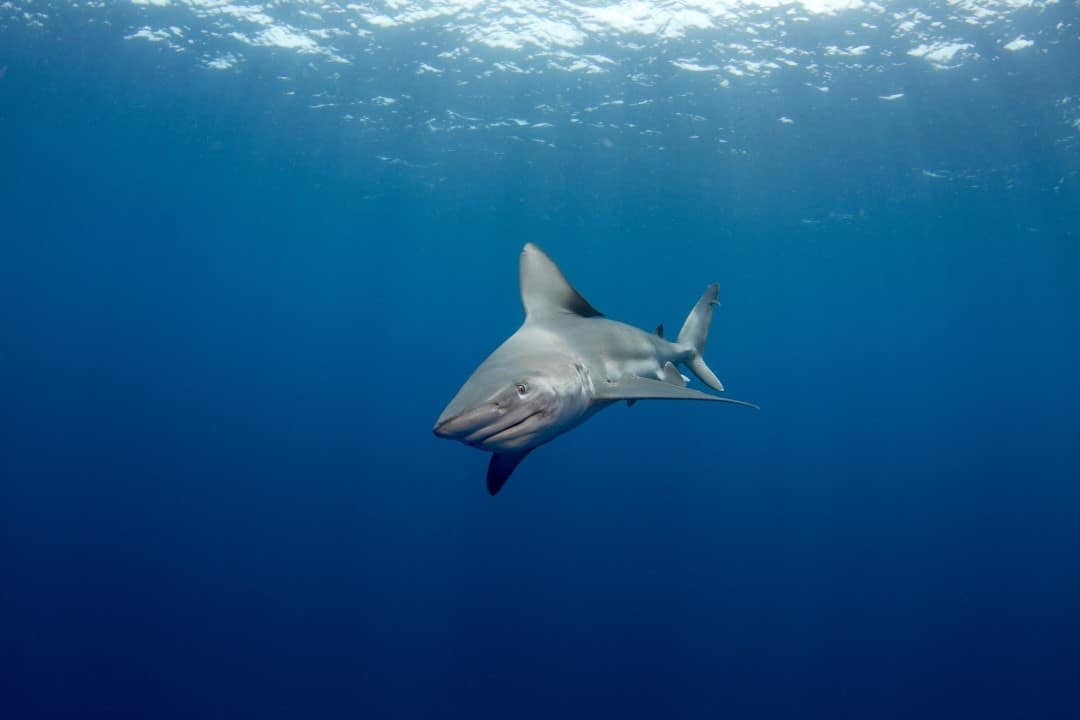
A surprising discovery in marine life has brought to light a species of shark with a very peculiar way of locomotion. Unlike most of its relatives, which rely on swimming, this new animal is able to “walk” using its flippers, a remarkable find in the waters off eastern Papua New Guinea.
The species was named kadedekedewa, which in an informal translation means “lazy shark”, and its identification was detailed in a study published in June this year in the Journal of the Ocean Science Foundation. This specimen joins a select group, being the tenth species of walking shark ever documented.
The official identification of the species, called Hemiscyllium dudgeonae or Dudgeon’s walking shark, occurred after several scientific expeditions carried out between 2023 and 2025 in the region. At the time of research, the animal had not been cataloged by the scientific community.
Unique Features of Dudgeon’s Walking Shark
In contrast to larger sharks, which use their swimming power to move, Dudgeon’s walking shark has developed a distinct strategy. It employs its pectoral and pelvic fins in a similar way to legs, allowing it to walk on the seabed.
This special ability gives the shark the advantage of moving slowly through corals, exploring crevices and rocks to look for food, and even squeezing into smaller cavities with ease.
An even more fascinating aspect of this species is its ability to survive out of water for short periods of time. This adaptation is extremely rare among ocean dwellers and suggests greater resilience in coastal and tidal environments, significantly differentiating it from other sharks that are strictly aquatic.
How the new species was identified
The discovery process began when researcher Jess Blakeway noticed an unusual color pattern on a shark that had been delivered to her, unlike any previous record. This detail prompted the team to conduct in-depth genetic analyses, which confirmed the existence of a new species.
The name Hemiscyllium dudgeonae, or Dudgeon’s walking shark, is a tribute to Australian ecologist Christine Dudgeon. She dedicated more than two decades to studying walking sharks and was the first to sight this animal, in March 2025, in Milne Bay, located in southeastern Papua New Guinea.
In a statement, Christine Dudgeon expressed the relevance of the moment: “New species of shark don’t emerge often, and this is definitely the first to be named after me.”
To ensure validation of the discovery, scientists carried out extensive field work, with approximately 70 expeditions to 35 different reefs. The methodologies included diving, snorkeling and even explorations in shallow water areas, all to locate and study the animals.
Shark conservation concerns
Despite the euphoria of the discovery, the new species is already a cause for concern for scientists. The Dudgeon’s walking shark is believed to have one of the smallest geographic distribution areas among walking sharks, making it extremely susceptible to habitat degradation and climate change.
For this reason, and due to its limited presence, the expectation is that the species will be classified as threatened with extinction, awaiting only formal assessment and official recognition by conservation entities.





