
Analysis of smartwatch bracelets reveals presence of PFAS, ‘forever chemicals’ with health risks, at alarming levels


New American research has found that smartwatch bracelets and fitness tracking devices can have high concentrations of PFAS, also known as “forever chemicals.” These toxic substances are absorbed through the skin and can expose users to considerable risks.
The survey, conducted by the University of Notre Dame, investigated 22 popular bracelet models, identifying the presence of PFAS or its markers in 15 of them. The levels found significantly exceeded those usually detected in consumer products and clothing.
Even without complete clarity on how quickly PFAS penetrate the skin, previous studies confirm that absorption does occur. Graham Peaslee, a researcher at the University of Notre Dame and co-author of the research, expressed concern, given that the bracelets are in direct and prolonged contact with the wrist.
Peaslee highlighted that the concentrations seen in the bracelets are “much higher than most of the PFAS” his team had found in other consumable products.
Understand the dangers associated with ‘forever chemicals’
PFAS represent a family of approximately 15,000 compounds, widely used in the manufacture of materials resistant to water, stains and heat. They are nicknamed “eternal chemicals” due to their inability to degrade naturally, which leads them to accumulate in the environment and in organisms. Exposure to these substances is linked to several serious health conditions, such as different types of cancer, kidney disease, liver problems, immune dysfunctions and congenital malformations. The persistence of these compounds in the human body and the environment raises the relevance of such discoveries for long-term public health.
Typically, these chemicals are incorporated into items such as raincoats or hiking clothing to provide waterproofing. The University of Notre Dame team was surprised to find that the levels in clocks resembled those found in firefighting equipment. Peaslee suggested that while natural rubber likely does not contain PFAS, these substances can be added to synthetic rubber to prevent sweat stains and dirt buildup over time.
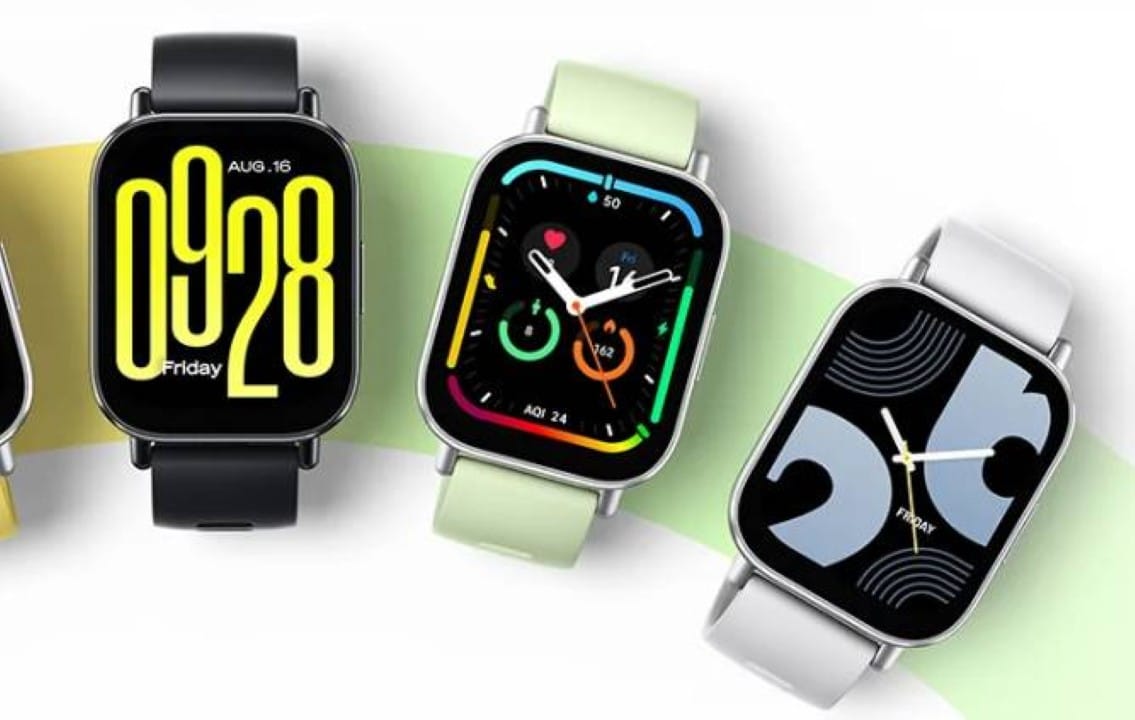
Tested brands and additional cost
While the research did not specify which brands tested positive for PFAS, it did confirm that devices from companies including Nike, Apple, Fitbit and Google were analyzed.
Alguns fabricantes mencionam o uso de PFAS nas pulseiras, utilizando termos como “pulseira de fluoroelastômero”, um indicador de sua presença. However, not all companies are transparent about the inclusion of these substances. Peaslee noted that bracelets containing PFAS can cost up to $50 more than versions without the substances.
The researcher commented that “it’s pretty obvious they’re overcharging for all these PFAS.”
Skin absorption and increased risk during exercise
A previous investigation, carried out this year, revealed that up to 60% of some PFAS present in a cream applied to a human skin model was absorbed, a rate that shocked several scientists. These results are even more alarming because many smartwatches are marketed as “sports” products, ideal for physical activities, and past studies have shown that perspiration can increase the rate of PFAS absorption.
The study delved into the analysis of individual PFAS compounds and identified PFHxA, a synthetic chemical from the PFAS group, in 40% of the bracelets, being the most prevalent substance. This compound is commonly found in clothing, carpeting, paper and insecticides, and has been linked to liver disease. Peaslee explained that PFHxA is little studied, in part because it is difficult to detect in human blood, which intensifies concern about the new discoveries. The European Union has even proposed a ban on PFHxA in consumer goods, including watch straps.
Furthermore, the researchers also detected PFOA, a compound that the US Environmental Protection Agency (EPA) considers virtually unsafe at any level of exposure in drinking water.
Peaslee highlighted that watches with silicone straps are a safer choice for consumers.
The researcher advised: “I don’t want anyone to rush to throw away their Christmas presents, but the next time you buy one, avoid those that contain PFAS.”





