
Rare neurological condition causes hoarse voice in Robert F. Kennedy Jr.; learn more about spasmodic dysphonia

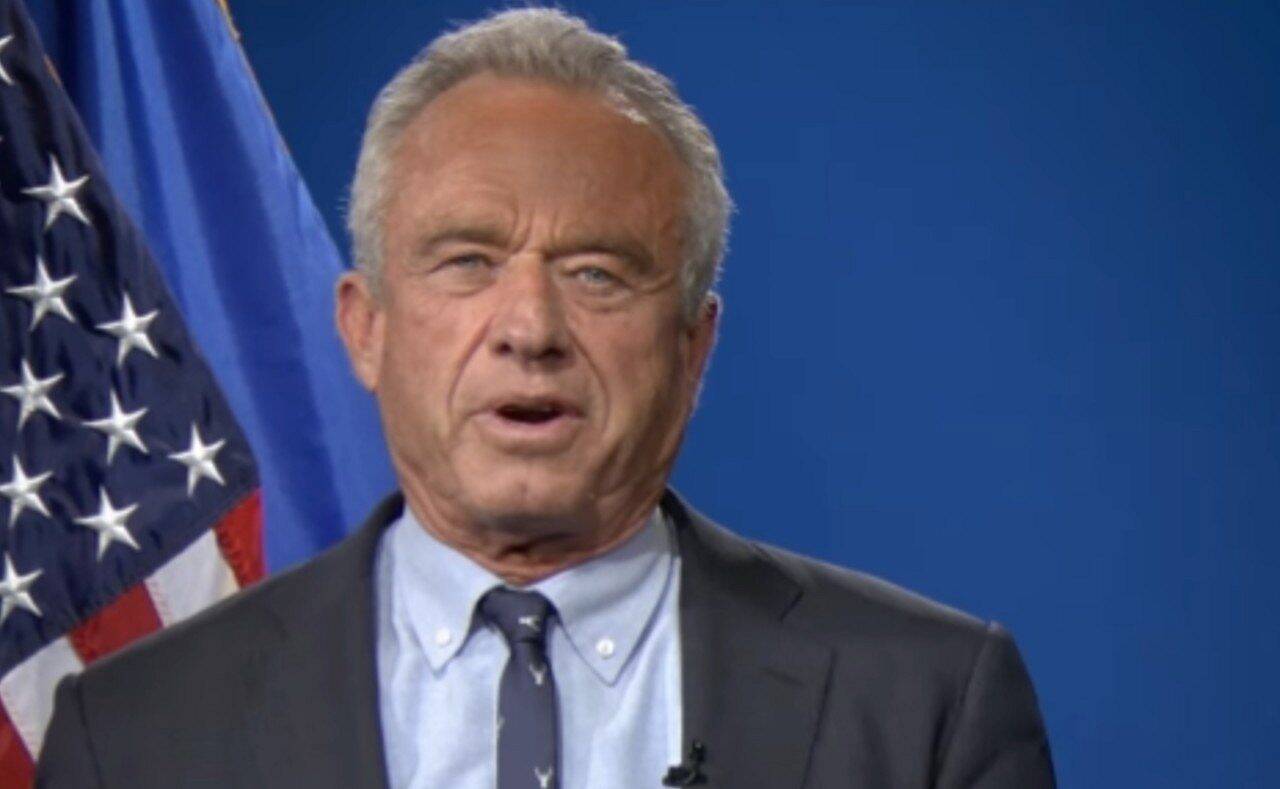
If anyone has ever followed Robert F. Kennedy Jr.’s public appearances, it’s likely you’ve noticed a peculiarity in his voice. The candidate, known for his oratory at various events, has a vocal tremor that has been with him for years.
This striking feature arises from an unusual neurological condition, diagnosed as spasmodic dysphonia. The disorder affects the way Kennedy communicates and has been a part of his life for several decades.
Public health agendas in the US Congress
Later this week, Robert F. Kennedy Jr. is scheduled to testify before the Senate Finance Committee in Washington, D.C. At that time, he is expected to answer several questions about the direction of the Centers for Disease Control and Prevention (CDC).
In an interview with The Diane Rehm Show in 2004, Kennedy commented on her condition. He described the tremor in his voice, which appears mainly at the beginning of his speeches. Diane Rehm, host of the program, also deals with spasmodic dysphonia.
Kennedy revealed that, at the beginning of his career, before receiving a formal diagnosis, he received correspondence from viewers and listeners who noticed the vocal change. Some of these messages, especially three or four of them, suggested that he might have spasmodic dysphonia, which led him to seek and, later, confirm the diagnosis.
Dysphonia International, an organization dedicated to the topic, defines spasmodic dysphonia as a neurological disorder. This condition causes involuntary spasms in the muscles responsible for opening and closing the vocal cords, resulting in a tense, strangled or interrupted voice and a breathy timbre.
Estimates from Dysphonia International indicate that around 50,000 people are affected by spasmodic dysphonia in North America. The group also indicates that the problem affects women more often than men, and its exact cause has not yet been identified.
One of the most common therapeutic methods to manage this disorder consists of applying botulinum toxin, or Botox, directly to the patient’s vocal cords. Kennedy mentioned in 2005 that he used to receive these injections periodically, every four months.
Last year, in a statement to the Los Angeles Times, the politician expressed his discomfort with the sound of his own voice. He confessed that he “can’t stand” listening to her and that he feels “sorry” for the people who have to listen to him.
Despite the difficulty with sound, Robert F. Kennedy Jr. highlights a particularity of his condition. He explains that although his voice becomes “horrible”, it does not tire easily. Because it is a neurological injury, paradoxically, the more he uses it, the stronger it tends to get.





