Data from James Webb indicates comet 3I/ATLAS is older than the Sun and challenges galactic theories
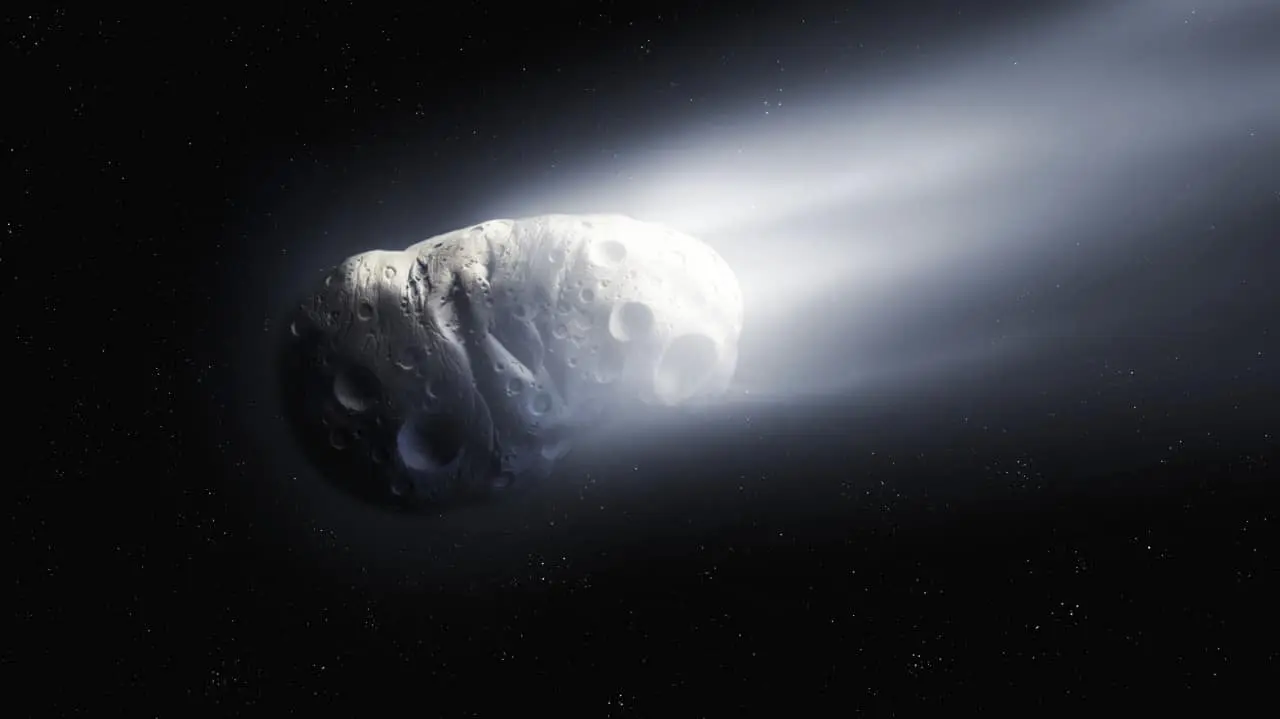
A transient celestial object that crosses our Solar System has been identified as one of the oldest bodies ever recorded, with the potential to redefine conceptions about the emergence of the galaxy. Observations from the James Webb Space Telescope reveal that the interstellar comet 3I/ATLAS possibly originated in a period before the birth of the Sun.
Estimates indicate that its age varies between 10 and 12 billion years, referring to a crucial time in the initial formation of the Milky Way. In this way, the comet acts as a valuable cosmic trace, storing information from a primordial stage of our galaxy.
On the same topic: James Webb reveals: interstellar comet 3I/ATLAS could be up to 12 billion years old and is a fossil from the early days of the Milky Way
Comet 3I/ATLAS represents the third interstellar body whose origin has been officially validated by astronomers to date. Unlike comets native to the Solar System, this visitor comes from another star system and will continue its journey through space after passing through the solar vicinity.
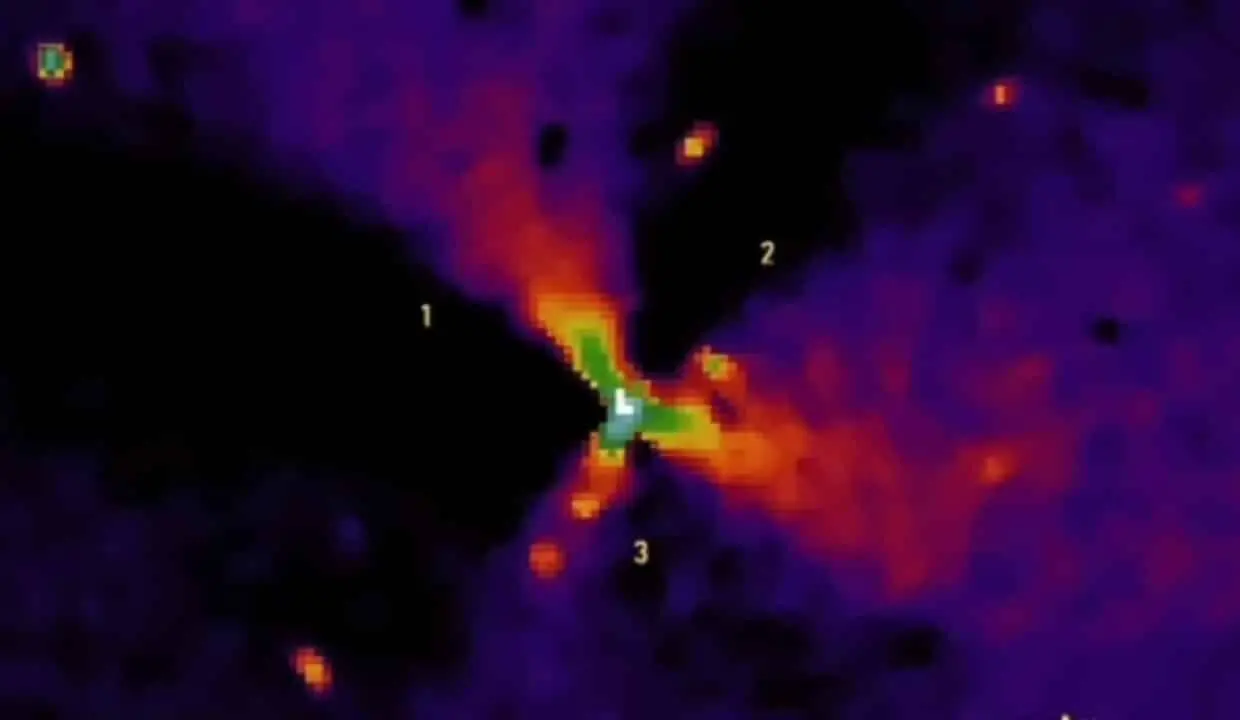
Researchers investigated the object’s composition by analyzing the gases it releases when the Sun’s heat causes the sublimation of its frozen components. The NIRSpec instrument, onboard the James Webb telescope, was instrumental in mapping this unique “chemical signature”.
The comet was observed to exhibit concentrations of deuterium, a heavier form of hydrogen, approximately 30 times greater than those detected in local comets in the Solar System. This disproportion strongly suggests that its formation occurred in an extremely cold environment, with temperatures below 30 Kelvin, a crucial piece of information to understand the conditions of that period.
See Also

Learn how to identify intrusions on WhatsApp and avoid financial fraud

PlayStation 5 owners gain lifetime access to three great games

Russian Islam Makhachev dominates Ian Machado Garry and wins main fight at UFC 330
More on this story: Comet 3I/ATLAS reveals secrets of star system older than the Sun
Additionally, variations in carbon composition were noted, especially a lower proportion of carbon-13. This chemical profile points to an origin in an early phase of the galaxy, when the chemistry of the universe was substantially different from that observed today, providing a direct glimpse into initial conditions.
For the first time, the telescope was also able to identify methane in an interstellar body, a substance that was released by solar heating. Furthermore, a high concentration of carbon dioxide was recorded, expanding the range of primordial organic components revealed.
Each chemical component discovered is seen by scientists as a fundamental piece in reconstituting the comet’s formation environment. The hypothesis that the star that gave rise to it may no longer exist adds a layer of mystery and depth to its cosmic story.