
Discoveries of more than 6,000 exoplanets redefine our view of the vastness of the cosmos

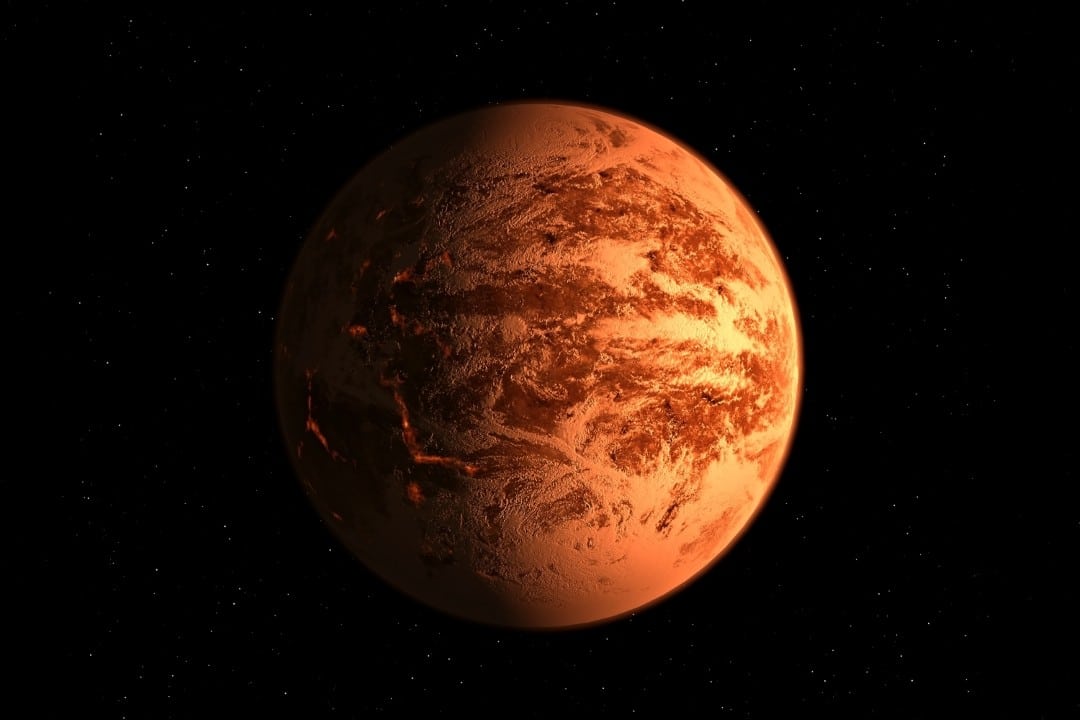
Astronomy has cataloged more than 6,000 exoplanets, celestial bodies that reside outside the boundaries of our solar system. While the vast majority of these distant worlds revolve around other stars, a significant portion, known as wandering planets, float freely through space without being tied to any star. This number represents just a tiny fraction of the total, estimated at billions of exoplanets spread across the galaxy.
To date, most of the exoplanets identified are concentrated in a geographically limited area of the Milky Way, thousands of light years away from our Sun – a measurement that is equivalent to trillions of kilometers. Even Proxima Centauri b, Earth’s closest neighbor, lies approximately four light years away. The observations indicate a fascinating truth: there are more planets than stars throughout our galaxy, suggesting a universe even more populated than we imagine.

Analyzing the diameter and mass of these celestial bodies allows scientists to determine a wide range of compositions. There are everything from predominantly rocky worlds, similar to Earth and Venus, to gas giants that resemble Jupiter and Saturn. Researchers have also detected planets mostly composed of water or ice, and others rich in iron or carbon. This diversity also includes surfaces covered by seas of magma, planets with minimum densities comparable to Styrofoam, and remaining planetary cores that continue to orbit their host stars.





