
French and Swedes define starting teams for decisive duel in the round of 16 of the 2026 World Cup: France x Sweden

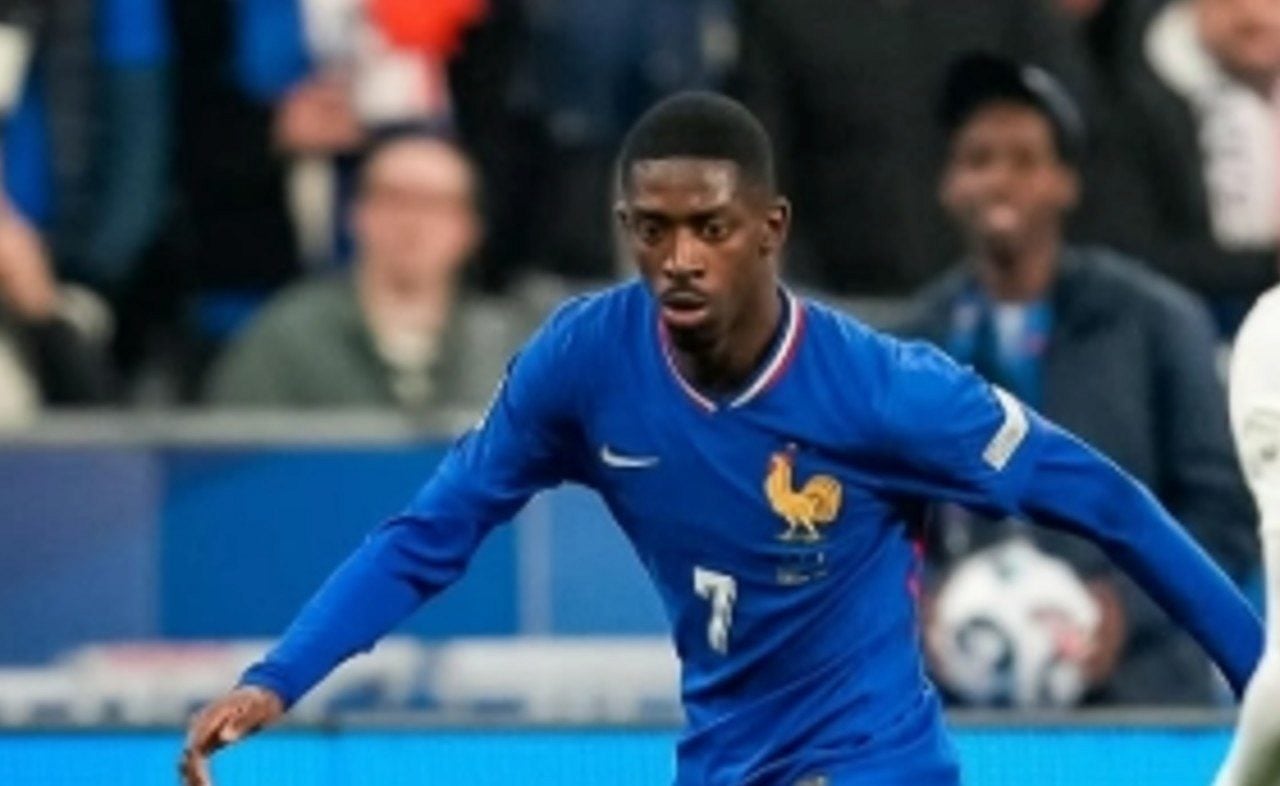
The atmosphere of tension and expectation takes over behind the scenes of the 2026 World Cup with the definition of the starting teams for one of the most anticipated clashes in the round of 16. The French and Swedes will meet this Tuesday, June 30, 2026, starting at 6pm (Brasília time), on the lawn of the MetLife Stadium, in the United States. With very little left for the ball to roll, the official announcement of the athletes who will start playing increases the anxiety of fans around the planet.
This clash between two traditional schools of European football is worth the coveted passage to the quarter-finals of the international competition. Sports experts and fans are now analyzing the tactical choices made by commanders Didier Deschamps, on the blue side, and Graham Potter, for the Scandinavian squad, who have just revealed their starting pieces for the clash.

Tactical schemes and the eleven chosen to start the decisive match
The mystery about who would take the field came to an end, giving the public the exact outline of what to expect in the first minutes. On the one hand, France’s star squad relies on its natural aggression, while Sweden relies on its traditional defensive rigor to surprise. This reveal of the lineups takes place at a time of greatest concentration in the locker rooms, marking the final stretch of preparation before the opening whistle.
Coach Didier Deschamps structured his team in a 4-2-3-1 system, designed to guarantee security in marking without losing firepower. The offensive sector was set up with players with extreme speed, supported by a pair of midfielders responsible for dictating the pace of the match and shielding the defensive sector. The goal of this arrangement is to use the ends of the field to provide the reference man in the attack.
On the Scandinavian side, English coach Graham Potter will send a 3-4-2-1 formation onto the field, making it clear that the priority is to close spaces and explore the offensive transition at high speed. The Nordic team will try to use its physical imposition and tactical obedience to slow down the volume of the opponent’s game and strike on counterattacks. The success of this strategy depends directly on the fine tuning of the three defenders selected.
See below the complete list of athletes starting the game:
The French squad takes to the field with the following structure (4-2-3-1):
- Under the goalposts: M. Maignan (16)
- Defense line: J. Koundé (5), D. Upamecano (4), W. Saliba (17) and L. Digne (3)
- Midfielder duo: A. Tchouaméni (8) and A. Rabiot (14)
- Attacking midfielders and wingers: O. Dembélé (7), M. Olise (11) and B. Barcola (12)
- Front man: K. Mbappé (10 – Captain)
- Technical commander: Didier Deschamps
The Swedish team is confirmed with this arrangement (3-4-2-1):
- Goalkeeper: J. W. Zetterström (1)
- Defense trio: G. Lagerbielke (2), V. Lindelöf (3 – Captain) and G. Gudmundsson (5)
- Midfield sector: D. Svensson (8), Y. Ayari (18), L. Bergvall (7) and E. Stroud (24)
- Offensive articulators: A. Elanga (11) and A. Isak (9)
- Reference in attack: V. Gyökeres (17)
- Technical commander: Graham Potter
Details about the game arena and where to watch it live
The arena chosen for this show is the imposing MetLife Stadium, located in the city of East Rutherford, in the United States. With the capacity to receive more than 80 thousand spectators, the venue promises to pulsate with the energy of the fans in this intense phase of the tournament. Interestingly, this same stadium was chosen by FIFA to host the grand final of the 2026 World Cup next month, which adds even greater historical weight to the teams that set foot on this pitch today.
The starting whistle will sound promptly at 6pm (Brasília time), and fans will be able to watch all the details via the Disney+ streaming platform. The Brazilian public will have the chance to see in real time who will guarantee survival in the World Cup, thanks to a schedule that favors the South American audience in the late afternoon.
How the pieces should behave during the ninety minutes
Looking at the drawing boards, it is clear that we will have a clash of different philosophies. The French team will try to monopolize possession of the ball, using the edges of the field to use Ousmane Dembélé’s speed and Kylian Mbappé’s eye for goal, who carries the captain’s armband. To sustain this aggressiveness, the presence of Aurélien Tchouaméni and Adrien Rabiot will be vital in containing the ball and creating a clean ball.
In contrast, the Swedish squad set up a dense defensive block to frustrate the opposing creators. Led by the experienced Victor Lindelöf, the defense will need maximum attention. From the middle forward, hope falls on the trio formed by Anthony Elanga, Alexander Isak and Viktor Gyökeres, who will have the tough task of punishing the French defense through quick attacks whenever they regain possession.
The individual performance of names like Dembélé and Elanga could tip the scales, as both arrive on the back of great recent performances. The Frenchman’s main weapon is his short dribble, while the Swede’s focus is on a lightning-fast rush towards the goal. Physical exhaustion will certainly require coaches to resort to the benches in the second half, changing the face of the game as the score demands.
The path taken by the two countries in the group stage
The two countries secured their passport to the knockout stages after safe campaigns in the qualifying stage of the 2026 World Cup. Pointed out from the beginning as a strong candidate for the cup, the French team remained in their group, showing a vast offensive repertoire. The mix of established athletes with new promises of European football yielded immediate results for the blue team.
The Scandinavian team surprised many analysts by advancing with authority, supported by an extremely disciplined game system. The almost insurmountable defense and efficiency in the few chances created have been the Swedes’ trademarks so far. Reaching the round of 16 proved that the tactical work implemented by the coaching staff was perfectly assimilated by the squad.
What awaits the winner and the switching panorama
Whoever emerges victorious from this clash on the North American lawn already knows that they will have a tough time ahead of them in the quarterfinals. The FIFA tournament now enters its most lethal stage, where any mistake costs you a ticket home. The design of the keys promises epic crosses in the coming days, defining the elite of global football.
The tournament calendar remains frenetic: still on June 30th, Mexico and Ecuador will face off at 10pm. The following day, July 1st, the ball rolls to England and the Democratic Republic of Congo (1pm), followed by Belgium and Senegal (5pm). Closing Wednesday’s round, hosts the United States take on Bosnia and Herzegovina at 9pm, showing how globalized the title race has become.
Retrospect of clashes between the two European nations
Even though it doesn’t carry the weight of a bloody regional classic, the clash between the French and Swedes has a long history in tournaments on the Old Continent and World Cups. Historically, these are truncated matches and decided in detail. The French usually carry the weight of favoritism due to their winning record, but the Nordic team has a tradition of thickening the mix and complicating the lives of the giants in direct elimination games.
It is worth remembering that Sweden has a huge tradition in the tournament, having even reached the final in 1958, when it hosted the competition. On the other hand, France sports two stars on its chest and has remained at the top of the world rankings for years. This clash of generations and historical weights turns today’s game into an unmissable chapter, where the glorious past serves as fuel for current athletes.
The atmosphere in the stands and favoritism in the bookmakers
Analyzing the sports predictions market, Didier Deschamps’ team appears with a wide advantage in the odds to advance to the next stage. This favoritism is based on superior individual technical quality and the squad’s experience in moments of pressure. However, the unpredictability inherent in national team football keeps the alert on, as a well-adjusted defensive system can overturn any prediction.
Outside the four lines, the party has already started. The streets near the stadium in East Rutherford were filled with a sea of blue and yellow shirts, creating a spectacular atmosphere. The mutual respect between the fans does not diminish the intensity of the support chants, ensuring that the players feel the human warmth necessary to give maximum sweat in search of classification.
The command of the whistle and the disciplinary conduct of the game
Dutchman Danny Makkelie was the name selected by the FIFA arbitration committee to lead this duel of giants. Owner of an extensive CV in European competitions, his mission is to control tempers. His historical numbers show a rigorous profile in applying cards, indicating that he will not tolerate unfair plays or blatant complaints, preferring to keep the teams’ tactical discipline under strict control.
The performance of the referee and his assistants in the VAR will be closely monitored, as a simple error of interpretation can change the fate of a nation in the tournament. The choice of a referee from the first European division demonstrates the organization’s concern in ensuring that the result is defined exclusively by the players’ competence with the ball at their feet.
The electrifying sequence of decisive games in the tournament
The narrowing of the competition gives fans a true marathon of top-level football. In addition to this game between Europeans, the week’s agenda is full of clashes that will stop their respective countries. With each passing day, the dream of lifting the most coveted trophy on the planet becomes closer for some and becomes frustration for others.
The calendar holds strong emotions: on July 2nd, Spain faces Austria (4pm) and Portugal duels with Croatia (8pm). On the 3rd, Switzerland faces Algeria (00h), Australia plays against Egypt (15h), Argentina takes on Cape Verde (19h) and Colombia challenges Ghana (22h30). Closing the round, Canada plays against Morocco on the 4th (2pm), while the Brazilian team takes the field on July 5th to face Norway, at 5pm, keeping their hopes of a sixth championship alive.





