
New rules in Japan make local passports cheaper but triple international boarding fees

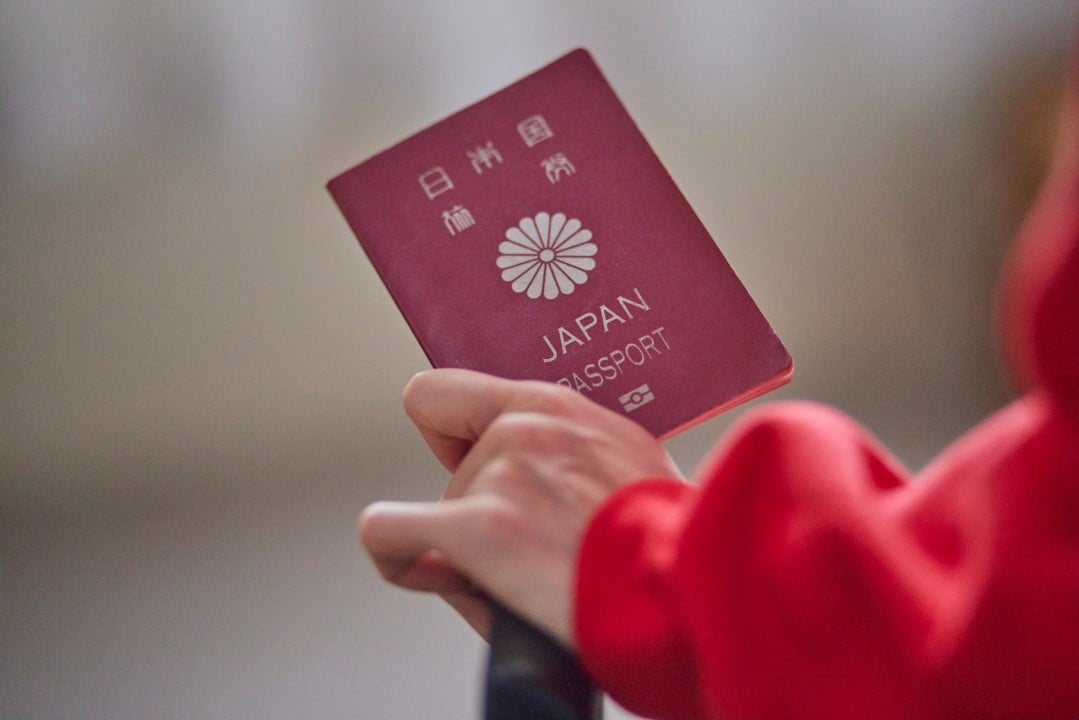
The Japanese central administration defined a significant reformulation of charges related to the international movement of people, scheduled to come into force on the first day of July. Local citizens will see financial relief in obtaining their international identification documents, while any passenger leaving the archipelago will need to pay a substantially more expensive border tax. This double maneuver attempts to mitigate the burden of foreign travel for residents, transferring part of the revenue to the global flow of visitors. The situation reflects an adaptation to the current dynamics of immigration and tourism in Asia.
Drastic changes in prices charged for long-term passports
Those looking for a document valid for a decade will find a much more favorable financial environment. The government applied an aggressive discount of 7,000 yen on the original tariff, also creating a clear incentive for the digitalization of public services. Those who carry out the procedure entirely online will pay 8,900 yen, while individuals who prefer in-person service at physical counters will pay 9,300 yen.

This difference in values between service channels illustrates Tokyo’s ongoing effort to free up public departments. The tariff reduction represents considerable savings for Japanese families, especially at a time of unfavorable exchange rate fluctuations for those consuming outside the country. Direct cheaper prices act as a government incentive to keep citizens connected to the rest of the world, facilitating the global mobility of the population.
Immigration experts point out that the digitalization of the process not only cuts operational costs for the State, but also modernizes a bureaucratic machine historically dependent on paper and physical stamps. The transition to the online model reflects a broader goal by the Asian government to unify civil records on secure digital platforms.
Restructuring of age categories and elimination of old options
The issuance system will undergo a profound structural simplification, removing alternatives that previously confused applicants. The main change affects those over 18 years of age, who definitively lose the right to request a passbook lasting half a decade. Once the rule is implemented, the ten-year version becomes the only possible route for the adult population.
For younger age groups, the Ministry of Foreign Affairs designed a segmented tariff scheme, keeping the validity restricted to five years due to rapid physiognomic changes. The new guidelines establish the following charging parameters:
- Teenagers between 12 and 18 years old receive a cut of 6,500 yen compared to the previous table.
- Children under 12 receive a smaller discount, set at 1,500 yen.
- The unified cost for both underage groups is 4,400 yen via the online system.
- Child and youth applications filed in person will cost 4,800 yen at service stations.
This rigorous division ensures that legal guardians are able to plan family trips with financial predictability. The requirement for more frequent renewals for minors follows an international security standard, avoiding identification problems at global borders due to children’s growth and changing facial features.
Imminent risk of collapse in the scheduling and delivery system
The promise of substantial savings already raises alarms within the Asian country’s bureaucratic infrastructure. Managers at city halls and regional documentation centers project an avalanche of requests exactly at the turn of the semester. Many citizens are holding back on their current renewals just to take advantage of the new price list, which will create an inevitable operational bottleneck in the first weeks of July.
The normal booklet production and delivery cycle, which historically takes around two weeks, will be severely impacted. Authorities admit that the waiting time could easily double, exceeding the one month mark for those who file the papers soon after the law changes. The Ministry of Foreign Affairs has issued official statements urging residents to do extreme planning.
People with tickets purchased for summer holidays in the northern hemisphere are at risk of missing their flights if they leave the bureaucracy to the last minute. The diplomats’ express recommendation is that travelers with urgent dates ignore the discount and secure their documents under the old rules, prioritizing boarding security over momentary savings.
Significant jump in taxes charged to those who leave Asian territory
The relief in civil identification fees has a direct counterbalance in the so-called exit tax, a fiscal mechanism originally instituted in 2019 to finance improvements to tourist infrastructure. This tax, which affects anyone embarking on international flights or cruises from Japan, will be increased by 200%. The amount charged will jump from 1,000 yen to 3,000 yen per passenger.
Unlike other government charges, the tourist or resident does not pay this amount at a separate counter at the airport. The value is compulsorily included in the final price of airline tickets and ship tickets by the transport companies themselves. This means that tax inflation will be felt directly when researching and purchasing flights on digital platforms.
The Japanese government’s mathematical justification is based on expense compensation. By making the passport cheaper by up to 7,000 yen, local citizens can easily absorb the 2,000 yen increase in boarding tax during their sporadic trips. However, foreign visitors, who do not issue documents in the country, will fully bear the new tax burden when they return to their homes.
Economic dynamics behind local infrastructure financing
Japan is going through a historic moment in its services balance, driven by a devalued local currency against the dollar and the euro. This exchange rate reality attracts millions of foreign visitors monthly, generating unprecedented pressure on airports, train systems and traditional tourist attractions such as Tokyo and Osaka. The money extracted from the new exit tax is earmarked to resolve these logistical frictions.
Funds raised finance everything from the installation of state-of-the-art facial recognition gates in immigration areas to the expansion of multilingual signage in rural areas. The government uses this revenue tool to ensure that the massive influx of travelers does not degrade the quality of life of local residents, creating a cycle of continuous investment in transportation technology.
By combining the reduction in the cost of the passport with the increase in boarding taxes, the public administration protects the purchasing power of its own people. The measure demonstrates sophisticated fiscal engineering, where the intense traffic of foreigners ends up indirectly subsidizing the maintenance of the public machinery aimed at Japanese citizens who wish to explore the world.





