
Giant Wärtsilä-Sulzer RTA96-C demands 250 tons of fuel daily to propel largest ships

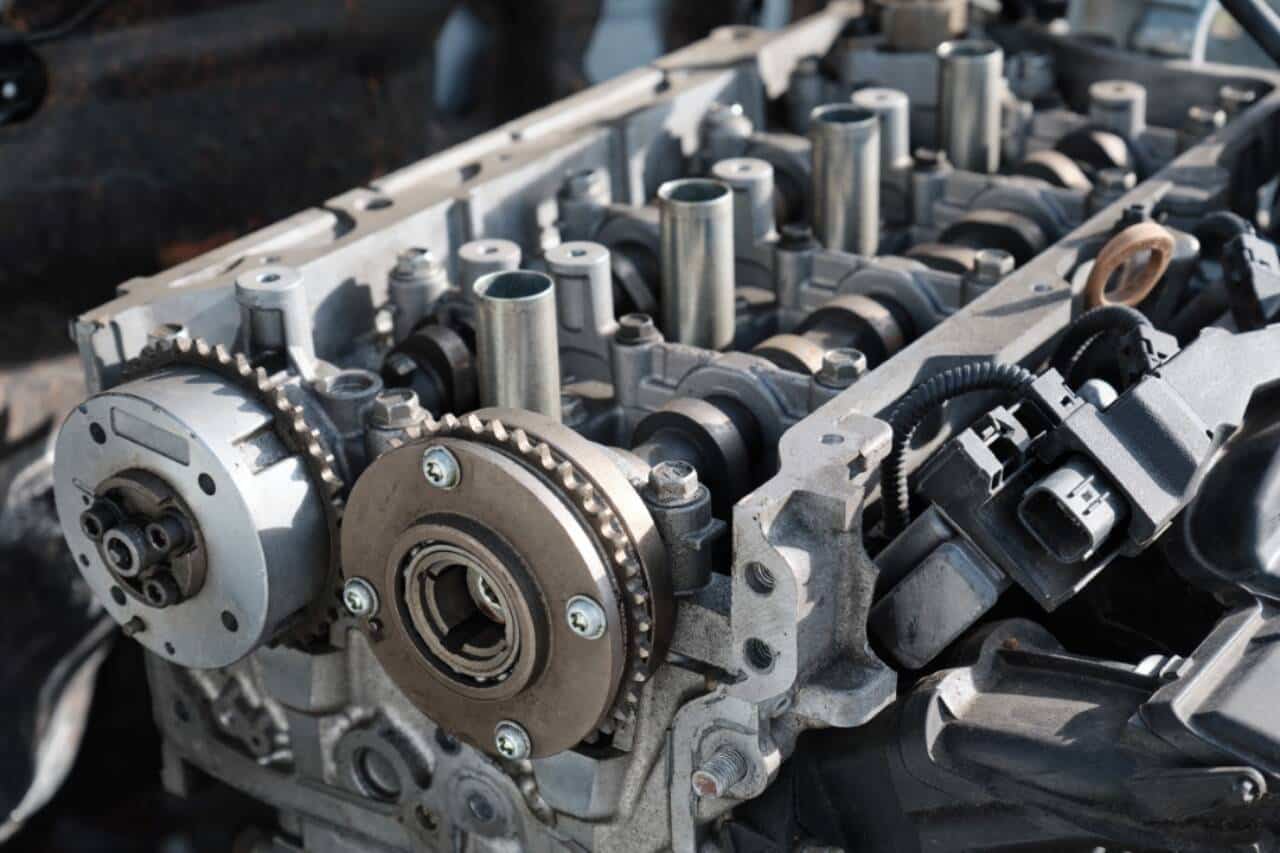
A two-stroke turbocharged diesel engine known as the 14-cylinder Wärtsilä-Sulzer RTA96-C stands as the largest internal combustion engine ever developed. It was built specifically to move the massive global container ships.
This colossal machine reaches thirteen meters in height and twenty-six meters in length, with a total weight of 2,300 tons. The Wärtsilä-Sulzer RTA96-C’s crankshaft alone, a vital component, contributes 300 tonnes to its weight, and each of the fourteen pistons weighs five tonnes. Operating at 102 revolutions per minute, the engine delivers a remarkable power output of 108,920 bhp (80,080 kW). Its energy demand is equally gigantic, burning approximately 250 tons of heavy fuel oil per day, which is equivalent to 1,660 gallons per hour, even under the highest efficiency conditions.
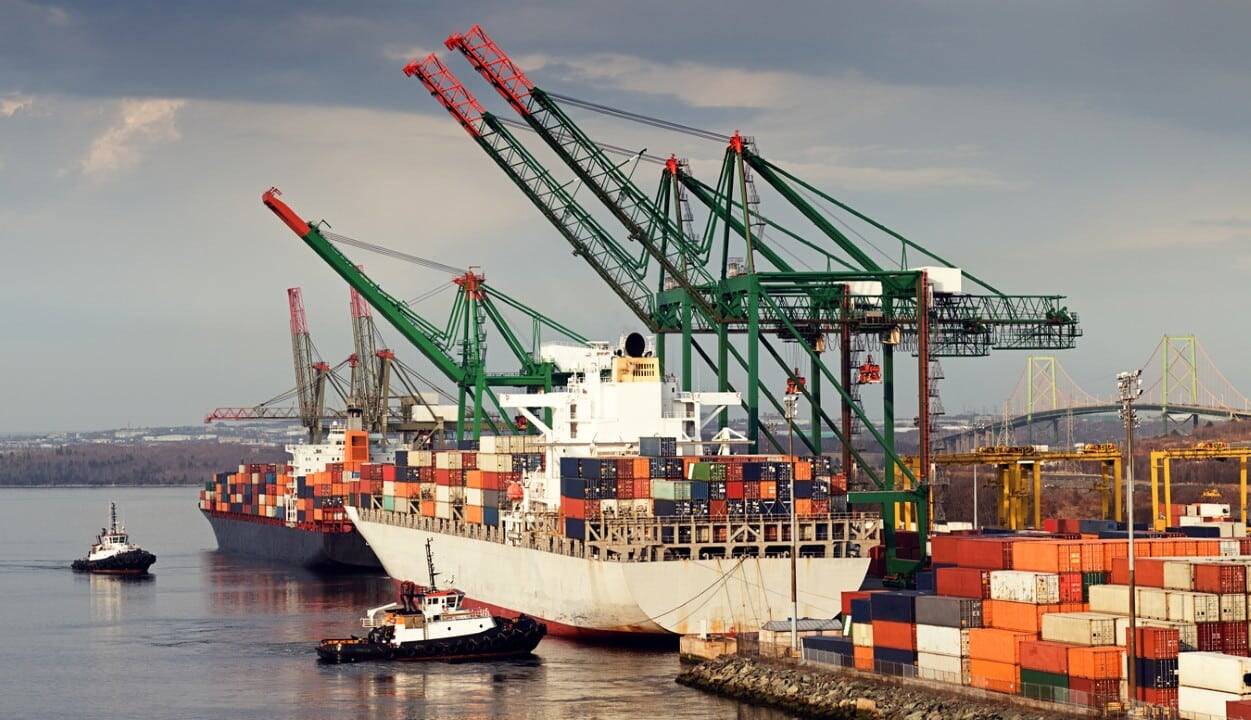
Wärtsilä, a Finnish company specializing in engines, made the decision to develop the largest global internal combustion engine in response to the growing need. It was noticed that the previous model, the 12-cylinder RTA96C, was no longer capable of moving the increasingly larger container ships, such as the Emma Maersk, with the necessary efficiency. This evolution reflects global trade’s incessant demand for cargo vessels with expanded capacity, requiring engineering solutions that enable the transport of ever-increasing volumes of goods between continents, a fundamental pillar of the modern economy. Instead of designing a completely new engine, the company chose to improve the capacity of the existing RTA96C, increasing its power to 80,080 kW through the addition of pistons.
The simple inclusion of additional cylinders was a studied modification, as the company needed to ensure the effective and safe operation of the engine in its new version. To achieve this, the crankshaft had its material reinforced, allowing it to withstand the torque of fourteen cylinders. Engineers were also dedicated to ensuring that the engine structure maintained the robustness and rigidity essential to handle this expanded configuration.
The first example of the 14-cylinder Wärtsilä-Sulzer RTA96-C engine, a two-stroke turbocharged diesel, was completed in 2006. Its commercial debut took place in the same year, equipped on the ship Emma Maersk, which at that time was the largest container ship on the planet.
Building an engine of such grandeur and complexity represents a significant challenge and requires a vast application of resources. Consequently, each unit of the RTA96-C engine has a cost that exceeds the 25 million dollar mark.



