
Global electric vehicle market accelerates and is expected to exceed 25% of sales by 2026, projecting more than half of the total in 2035

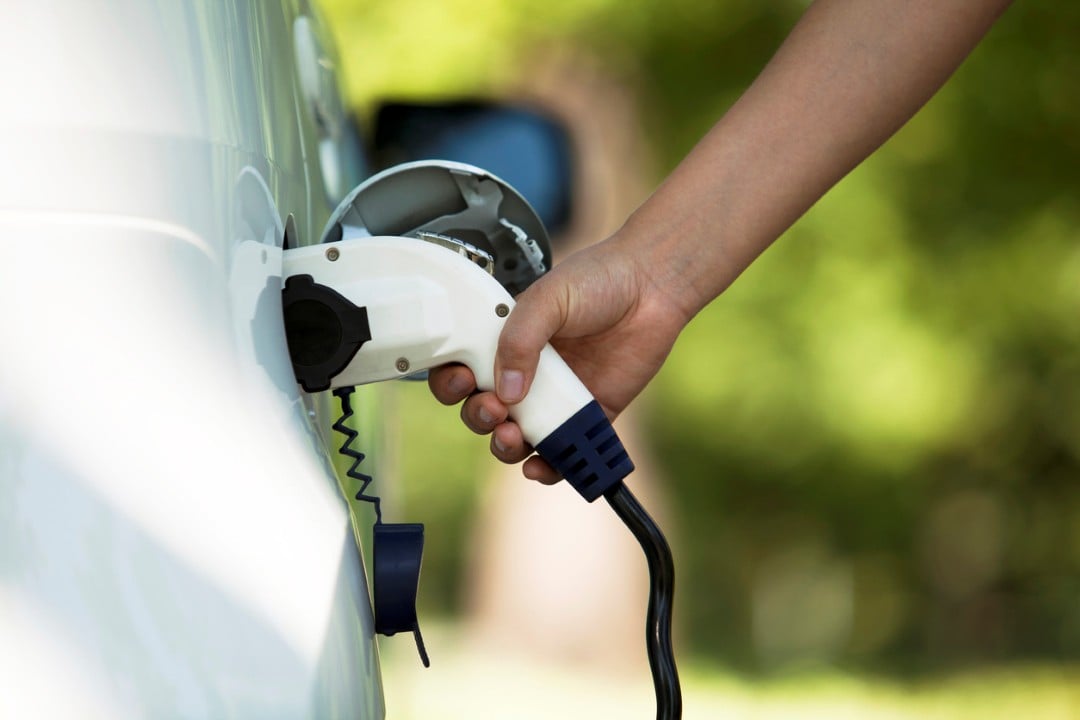
The electric vehicle (EV) market is on an upward trajectory, with projections indicating that more than a quarter of global car sales will be electrified as early as 2026. The growth trend is intensifying, suggesting that by 2035, more than half of cars sold worldwide will be electric models.
China maintains its position as the main driving force in the EV segment, where these automobiles now account for approximately two-thirds of all new passenger car sales in the country. This leadership highlights China’s rapid adaptation and infrastructure for electric mobility.
As next year approaches, electric vehicles are poised to reach a significant milestone, with experts predicting that new car sales on a global scale will surpass the 25% mark.
This BloombergNEF forecast indicates that the shift from gasoline cars to electric models is no longer restricted to a few pioneering nations. On the contrary, the acceptance of electric vehicles is expanding and accelerating in a growing number of international markets.
Significant increase in the adoption of electric cars
The most recent BloombergNEF report, which analyzes the electric vehicle scenario, shows that adoption of these cars is increasing considerably.
Just five years ago, less than 10% of new cars sold worldwide were electric; however, this percentage jumped to more than 25% in 2026, demonstrating a rapid and substantial change in the sector.
The study also points out that this progress shows no signs of slowing down, highlighting that “electric vans, trucks and passenger cars are still on a growth trajectory that could see them surpass 50% of global sales by 2035.”
While China remains the dominant player on the global EV scene, with nearly two-thirds of new passenger vehicle sales in its territory, the biggest recent advances have been seen in other regions.

Benefits of Switching to Electrified Vehicles
The transport sector is one of the main sources of pollution that contributes to global warming. The transition from gasoline-powered cars to electric vehicles has the potential to drastically reduce harmful exhaust emissions while also lowering fuel costs for drivers.
In addition to combating climate change, replacing internal combustion engine vehicles with electric models significantly improves the quality of the air that people breathe. Recent research from the University of Southern California proved that “a small increase in electric cars at the zip code level resulted in a reduction in air pollution.”
In financial terms, the operation and maintenance of electric vehicles is usually more economical compared to gasoline cars. This is due to the absence of oil changes and fewer parts that require regular maintenance.
However, this transformation does not occur at the same speed in all locations. BloombergNEF, for example, revised down its projections for the electric vehicle sector in the United States for the second year in a row.
According to a BloombergNEF survey, sales of electric vehicles in the American market are expected to decline by 19% this year. The reduction is attributed to decreased federal support, including changes to fuel economy rules and certain sections of the Inflation Reduction Act.
The issue of financial accessibility remains a considerable obstacle for many consumers who are currently unable to purchase low-emission vehicles.





