
Global ranking for June 2026 shows the ten best-selling motorcycles on the world market

The search for the ten best-selling motorcycles on the world market in June 2026 gains prominence, revealing a dynamic and complex panorama of the two-wheel sector. While accurate and consolidated global sales data by model can take time to compile, the industry is closely observing the trends that shape consumer preferences and the performance of large manufacturers in different regions of the planet. The current scenario points to fierce competition and the influence of economic and technological factors.
Challenges in compiling the global motorcycle ranking
Obtaining a unified global ranking of the most sold motorcycles in a specific period, such as June 2026, faces several obstacles. Each country and region has its own methodologies for recording and publishing sales, which makes it difficult to immediately aggregate detailed information. Furthermore, consumer preferences vary drastically between continents, meaning models that are popular in one market may be unknown in another. This mosaic of data requires considerable effort to present an accurate snapshot of global performance.
The industry giants that dominate global sales
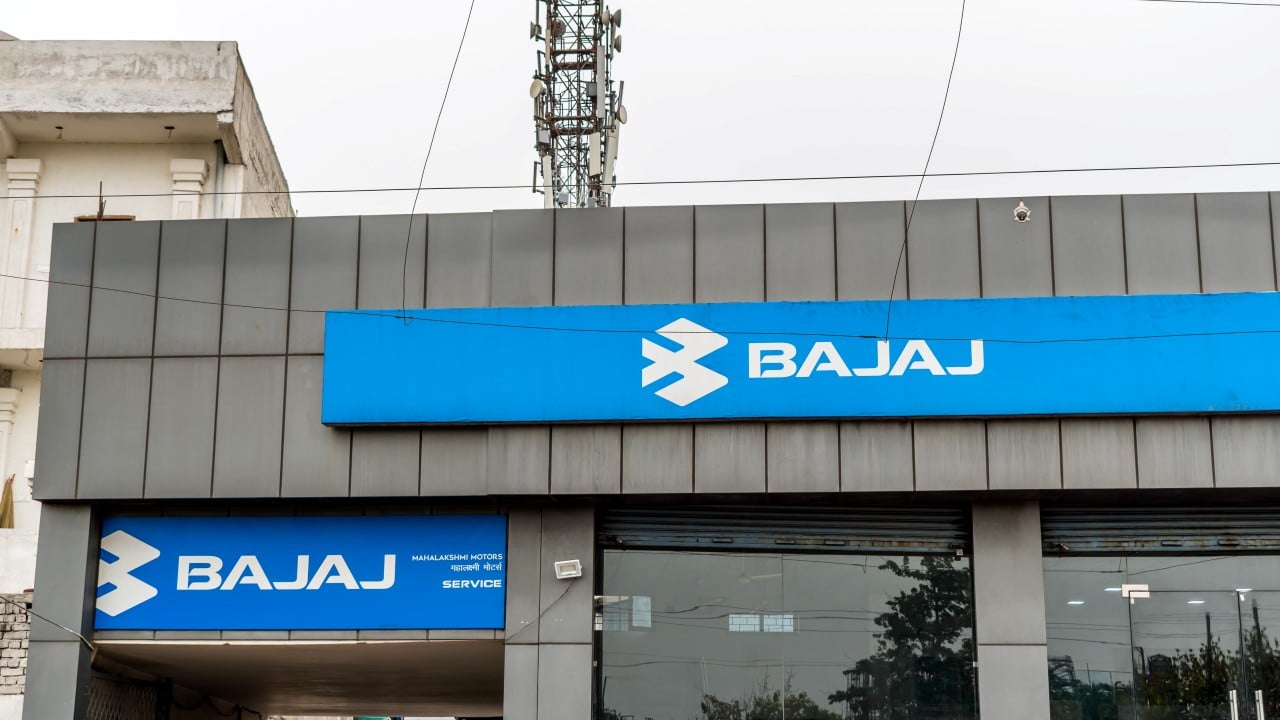
Traditionally, leadership in the global motorcycle market is disputed by a few major brands. Companies like Honda, with its wide range of models that range from urban to leisure use, often appear among the best sellers in various categories. Indian manufacturers such as Hero MotoCorp and Bajaj Auto play a crucial role, especially in emerging markets where two-wheelers are essential for daily mobility. Yamaha and TVS Motor Company also appear strongly on the international scene, consolidating their presence with innovations and expansion strategies.
Trends in the international motorcycle market in 2026
The motorcycle sector in 2026 is driven by a series of trends that redefine consumption and production. The increase in demand for more fuel-efficient vehicles with a lower environmental impact has led manufacturers to invest in more economical engines and the development of electric models. Furthermore, the rise of sales in Asian and African markets continues to be a driver of growth, where the motorcycle represents an affordable and practical transportation solution. Factors such as the availability of raw materials and the stability of the supply chain also have a direct influence on production volumes and, consequently, sales.
Regional factors shaping motorcycle consumption
The particularities of each region are decisive for the success of different types of motorcycles. In Asia, for example, scooters and low-displacement motorcycles dominate the streets, valuing agility and economy for dense urban traffic. In European and North American countries, preference often falls on larger displacement models, aimed at travel or recreational use. In developing markets, utility motorcycles, robust and with simplified maintenance, are the most sought after for work and light load transport, reflecting the importance of functionality over design.
Projections and the influence of new technologies in the sector
Looking ahead, the motorcycle market in 2026 and beyond is expected to be increasingly shaped by technological innovation. Electrification promises to transform the segment, with the emergence of more efficient batteries and expanded charging infrastructures. Additionally, connectivity and advanced driver assistance systems (ADAS) are expected to become more common, raising safety standards and the driving experience. These innovations have the potential to change the sales ranking, boosting brands that can integrate new technologies in an effective and accessible way for global consumers.



