
Scientific survey in Science demystifies the rule of two liters of water per day and points out variations

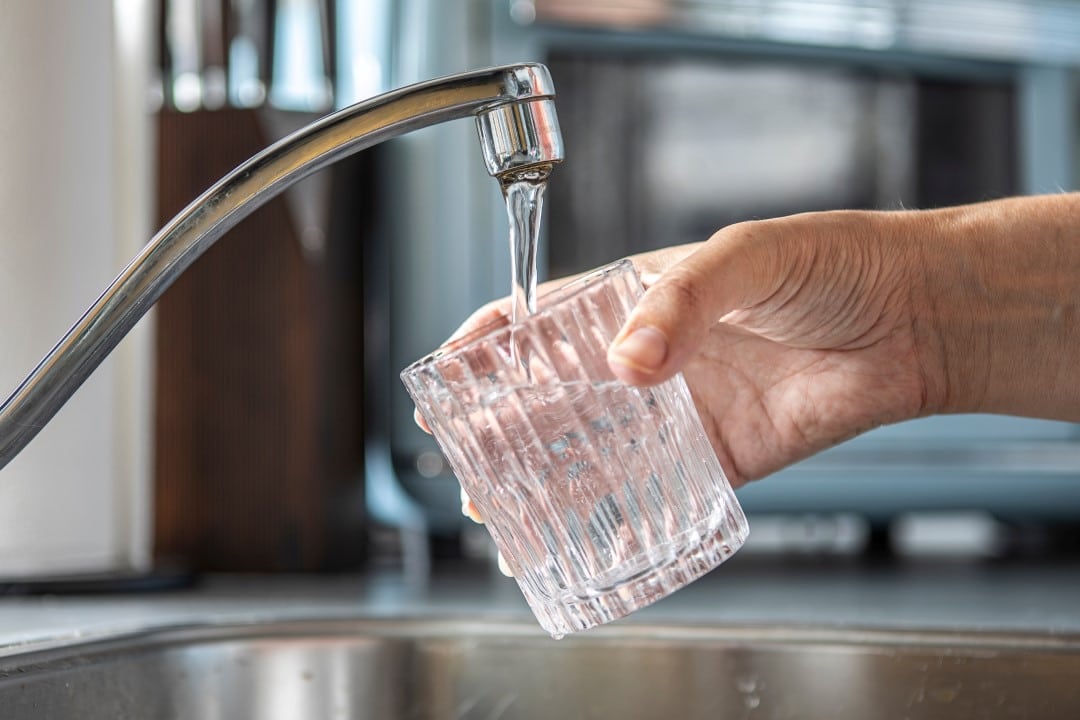
Health advice widely circulated for decades, suggesting the daily consumption of two liters of water, is now called into question by a new study. The research, published in the renowned Science magazine, indicates that this measure is inappropriate for the general population, revealing that hydration requirements are unique for each person.
The comprehensive survey included the participation of more than 5,600 volunteers, whose ages ranged from eight days to 96 years, representing 23 different nations. The findings demonstrate that the body’s water demand is shaped by a complex interaction of elements such as age group, gender, eating habits, intensity of physical exercise and the climatic environment.
Dale Schoeller, professor emeritus of Nutritional Sciences at the University of Wisconsin-Madison and co-author of the investigation, emphasized that there is no solid scientific basis to support the idea that drinking eight glasses of water per day is a universally applicable recommendation.
Furthermore, experts point out that the body does not depend exclusively on liquids for hydration. A considerable portion of water intake comes from foods rich in water, such as fruits, vegetables and other dietary items.
The scientific team employed an advanced methodology called “marked water” to investigate water renewal in the human body. Individuals ingested water enriched with specific isotopes of hydrogen and oxygen, enabling researchers to accurately monitor the rate of excretion of these components through urine over a period of seven days.
Through this innovative approach, it was possible to quantify the volume of water that each participant replenished daily, correlating these values directly with each participant’s individual energy expenditure.
The findings highlighted a notable diversity in hydration demands. While some of the participants had a daily consumption of approximately one liter of water, others needed up to six liters, with occasional occurrences of individuals drinking around ten liters per day.
Additionally, the survey revealed significant discrepancies between different demographic groups. On average, men demonstrated a need for approximately half a liter more water compared to women, and athletes consumed approximately one liter more daily compared to individuals with a more sedentary lifestyle.
Newborns, in turn, stood out as the group that exhibited the highest rate of body water renewal, exchanging around 28% of the water in their bodies each day.
Although the study challenges the premise of one-size-fits-all water, health professionals unanimously agree on the vital importance of keeping the body properly hydrated.
The Red Cross organization reiterates that water plays an indispensable role in regulating internal temperature, transporting vital nutrients, facilitating digestion and ensuring the optimal functioning of the entire organic system.
The aid organization advises increasing the consumption of liquids in high temperature environments or during physical activities, recommending continuous hydration and not just when thirst manifests itself. Furthermore, it suggests keeping water always accessible, drinking before, during and after sports, and including products with a high water content in your diet.
For children and elderly people, the Red Cross emphasizes the need for increased attention to water intake, as these age groups have an increased vulnerability to dehydration, especially in times of intense heat.



