
US Supreme Court overturns Donald Trump’s plan to restrict birthright citizenship in the country

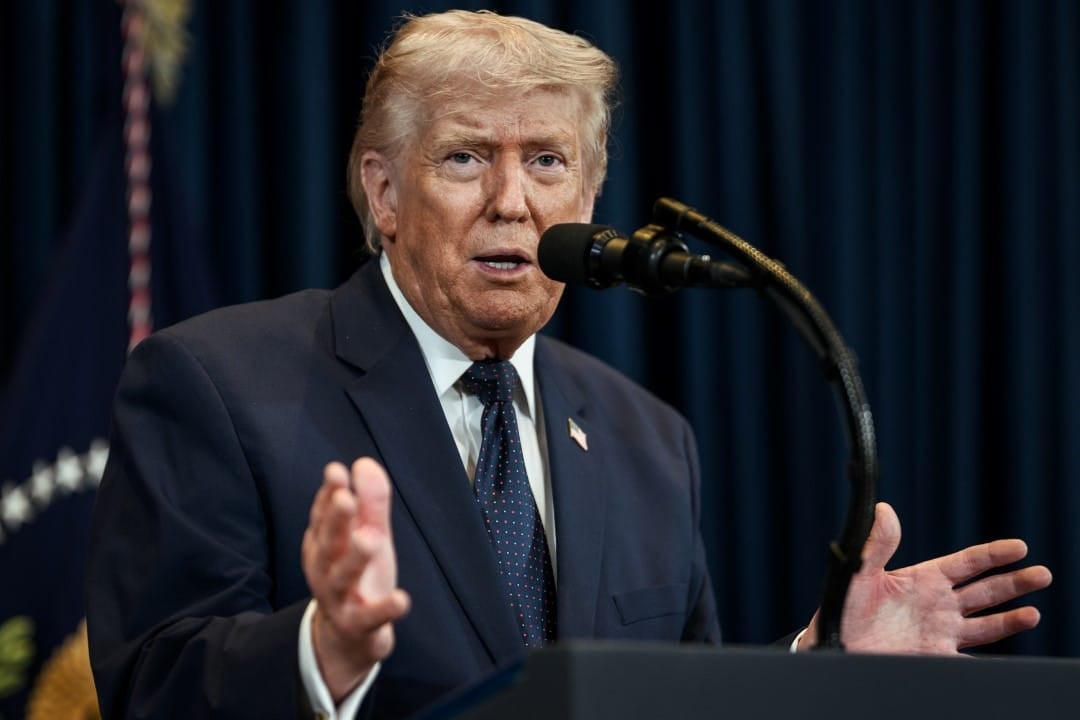
Automatic citizenship for those born in the United States was reaffirmed by the country’s highest court, undoing an attempt by former President Donald Trump to change this rule. However, in a different determination, the same Supreme Court endorsed Trump’s proposed restrictions on transgender athletes in women’s competitions.
The United States Supreme Court justices validated the right to citizenship for all children born on American soil, regardless of their parents’ legal or temporary status. The decision rejected an executive order signed by Donald Trump at the beginning of his second term, which aimed to block the automatic acquisition of citizenship for these newborns.
Even before reaching the highest court, several courts had already prevented Trump’s measure from coming into force. The Supreme Court based its verdict on a consolidated interpretation of the 14th Amendment to the Constitution and federal legislation in force since 1940, which guarantee citizenship to everyone born in American territory, with rare exceptions. This legal reaffirmation solidifies a pillar of American constitutional law, opposing Trump’s political initiative. The court now specifically analyzed Trump’s appeal against a New Hampshire court decision that had invalidated limitations on birthright citizenship.

Court validates restrictions for transgender athletes in women’s sports
Separately, the American highest court upheld the constitutional validity of bans on transgender athletes in female sports categories. With this deliberation, the Supreme Court authorized the states of the United States to institute similar exclusionary regulations for public elementary, secondary and higher education institutions. This result is seen as a success for former President Trump, who in February 2025 had already issued an executive decree preventing the participation of biologically male individuals in women’s sports, a measure already adopted by more than half of the country’s states.
The conservative predominance among the judges concluded that the bans implemented in the states of Idaho and West Virginia did not conflict with the United States Constitution or any federal legislation that combats gender discrimination in the educational sector. Attorney Alan Hurst argued that such a restriction was essential to ensure “fair competition”.



