


British woman Lowri Denman had the first sign that something was wrong with her health when she made a frightening discovery: a meter-long worm after using the bathroom. The incident marked the beginning of a long and harrowing journey.
“It looked absolutely disgusting, like sticky tape with little ridges,” the 42-year-old Carmarthen resident described.
This was the first symptom of neurocysticercosis, a condition that resulted in Lowri harboring 38 parasites in her brain, triggering severe headaches, seizures and episodes of psychosis.
She is one of the few people in the UK diagnosed annually with this brain infection, caused by pork tapeworm larvae.
After years dedicated to recovering her health, Lowri is now seeking to turn her difficult experience into something positive, striving to raise public awareness about the illness.
How the trip to India was linked to the start of the infection
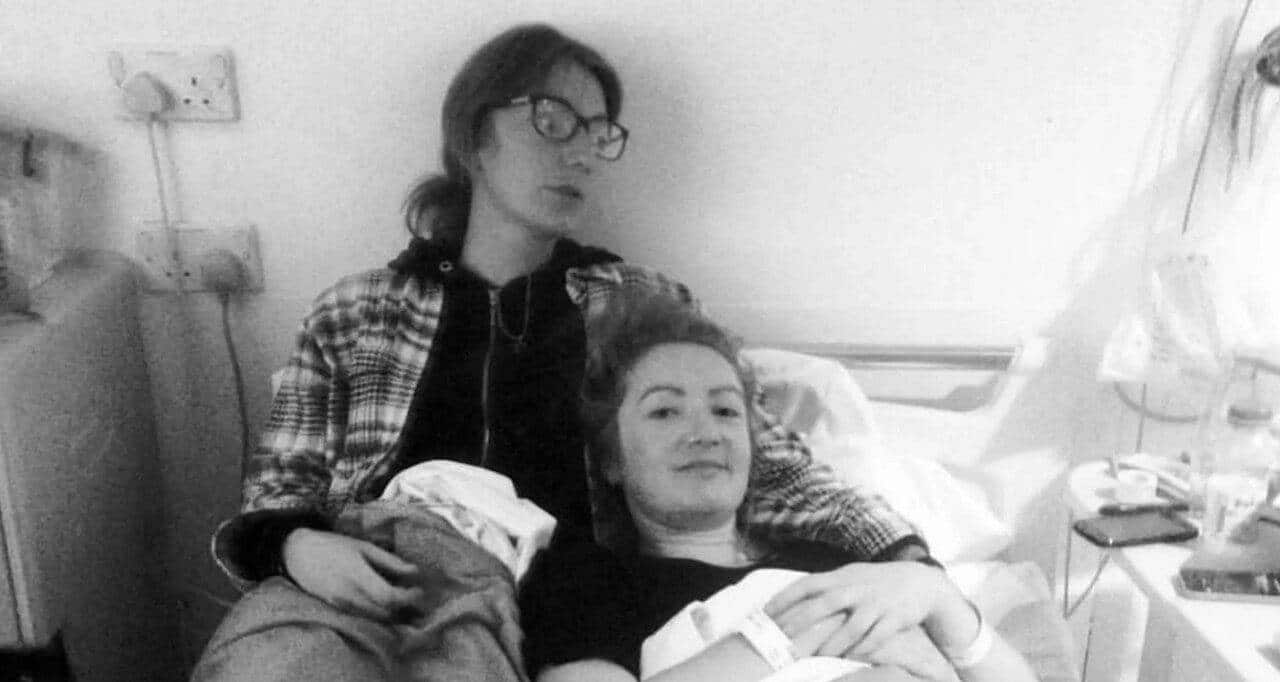
In 2007, Lowri, who works in media, went on a three-month trip to India. This is the time and place where her doctor, Dr. Brendan Healy, an expert in infectious diseases and microbiology, believes she contracted the infection.
During the trip, Lowri decided to avoid meat in hopes of preventing food poisoning. However, Dr. Healy suspects that she inadvertently ingested pork containing microscopic tapeworm eggs.
The discovery of the worm only occurred three years later, in 2010, in a restaurant bathroom. She flushed it down the toilet and moved on with her life.
Even though he consulted a doctor at the time, stool tests did not indicate any problems, and Lowri felt well, which meant that his routine continued normally.
The emergence of serious symptoms and the search for answers
Less than a year after discovering the worm, Lowri began experiencing terrible, persistent headaches.
In 2011, she had her first seizure, an event that left her extremely confused.
“I was really starting to have trouble pronouncing some words,” Lowri reported.
“The next thing I remember is waking up in an ambulance and thinking, ‘How did this happen? Why?'”
Details of hospital admission and the shock of the diagnosis
After the episode, Lowri was hospitalized, underwent a computed tomography and magnetic resonance imaging, and was later called to receive the test results.
“The doctor sat me down and said, ‘OK, we looked at your scans and found 38 parasites in your brain,'” Lowri said, describing the impact of the news.
“Me and my mom were just dumbstruck, like, ‘What the hell is this?'”
Initially, doctors considered the possibility of toxoplasmosis, an infection transmitted through contact with feces from infected cats.
The discovery of neurocysticercosis and the uncertainty of the future
However, Lowri’s mother raised the question of whether the seizure could be related to the worm she had discovered a year earlier, a crucial detail to clarify.
After further investigation, Lowri received a definitive diagnosis of neurocysticercosis.
According to the World Health Organization (WHO), humans become infected by consuming foods such as raw or undercooked pork, water contaminated with tapeworm eggs, or through inadequate hygiene practices. Although rare in the UK, this parasitic disease is a significant public health problem in many developing regions, especially in Latin America, sub-Saharan Africa and Asia, where sanitary conditions are poor.
In the United Kingdom, the incidence is exceptionally low, with cases diagnosed almost exclusively in individuals who have emigrated from regions where the disease is endemic.
Emotional challenges and disease recurrence
“In that moment, so many questions come up because you just don’t know what the future holds for your health,” Lowri expressed about the post-diagnosis period.
Anxiety took over, with questions like: “What’s next? What will I have to face? What medication will I take? Can I go back to work?”
She remained hospitalized for two weeks, receiving treatment with antiparasitic medications and steroids to control the infection and inflammation.
For a time, the treatment appeared to be effective, bringing a period of improvement in his condition.
Lowri enjoyed several years of good health, during which she managed to travel to New Zealand with her sister, move to Bristol, take part in circus classes and run half marathons.
However, one unexpected day, she collapsed while at work.
The persistence of the disease and the impact on mental health
New imaging tests revealed significant swellings in Lowri’s brain, located around the parasites.
After the collapse, she began to feel confusion, numbness and tingling throughout her body, symptoms that indicated a recurrence of the disease.
Due to his worsening health, Lowri had to leave his job and returned to live with his father in Carmarthen.
The use of steroids for treatment altered her appearance, and as her life became more restricted, she began to experience a decline in her mood, culminating in a breakdown in her mental health.
“This paranoia and psychosis started to emerge… there was severe anxiety, panic attacks,” described Lowri, who spent six weeks in a neuropsychiatric hospital to treat the serious manifestations of the disease.





