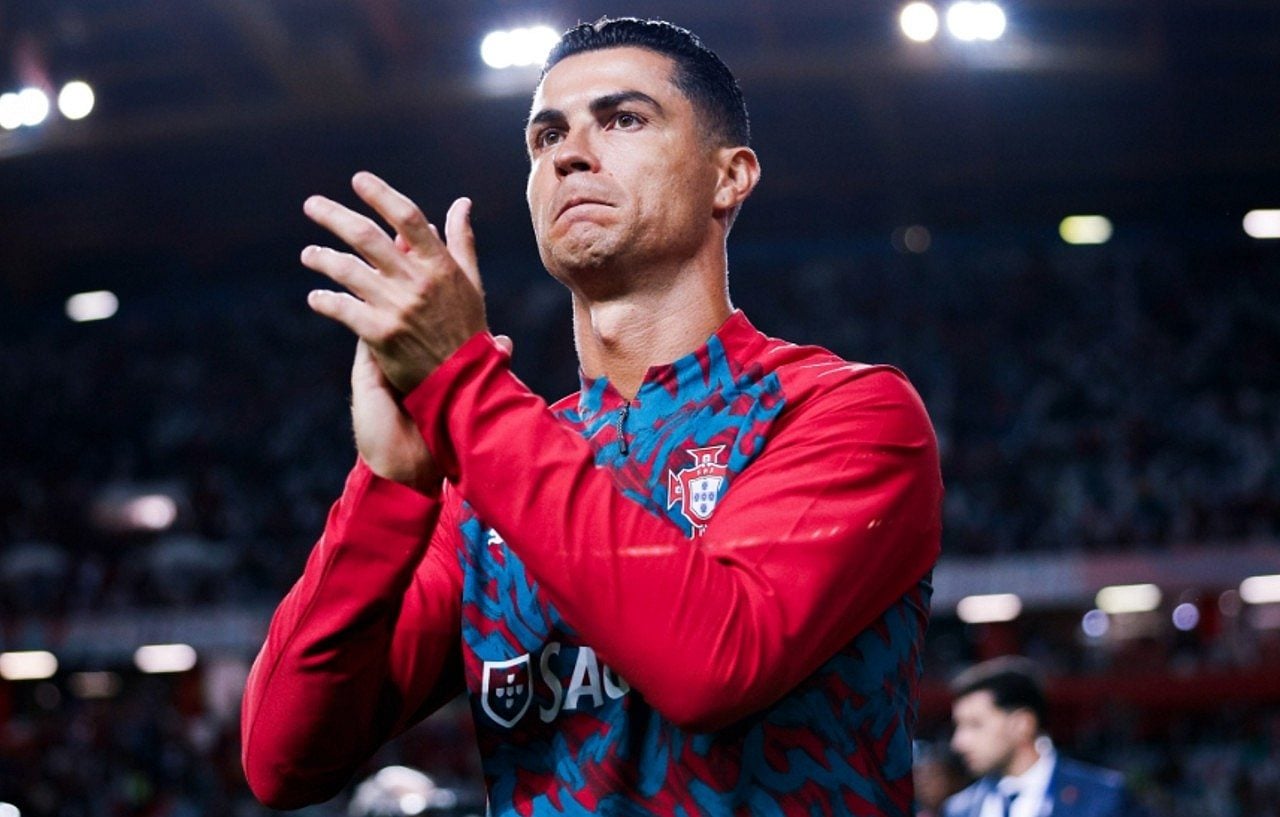
The constant presence of the number 7 in the main formation of the Portuguese team has once again dominated sporting debates, gaining even more strength as the knockout clash against the Croatian team approaches. Reaching the 41-year mark competing in world football’s elite is a statistical anomaly, which makes managing your energy a complex challenge. Every step taken by the veteran within the four lines began to be monitored and dissected by analysts, who seek to understand the real impact of his absolute ownership on the group’s collective performance.
Whenever the top scorer finds his way to the net, criticisms about his mobility are quickly silenced by the efficiency of his finishing. On the other hand, offensive drought matches raise an immediate warning about a possible excessive subordination of the squad to its captain. The recent goalless draw against Colombia perfectly illustrated this scenario of disconnection, as the striker touched the ball in just 35 opportunities, remaining isolated among the South American defenders and unable to create real dangerous chances in the penalty area.
It is essential to recognize that the creation system did not work properly in this specific duel, damaging the supply of the offensive sector. When midfielders and full-backs face difficulties in breaking the opposing marking lines, any center forward, no matter how intelligent his positioning, will suffer from the lack of clean passes in the final third of the pitch.
The accumulated wear and tear and controversial choices of the coaching staff
The big question mark that hangs over the coaching staff concerns the athlete’s performance during the qualifying phase of the tournament. The star remained on the field for the entire regulation period in his three initial matches, an unusual decision for players of his age group. The most emblematic case occurred in the elastic 5-0 victory over Uzbekistan. Even with the scoreboard pointing to a comfortable 4-0 lead at the 60-minute mark and the idol having already scored two goals, the manager chose to keep him in the match until the final whistle.
Keeping a veteran player on the field with the score already resolved goes against modern sports physiology practices. Roberto Martínez defended his stance by stating that playing throughout the match does not represent excessive wear and tear for the striker. Although the player’s fitness record is arguably one of the best in the history of the sport, contemporary football takes a heavy toll in terms of pressure without the ball and defensive recovery. The experts’ real concern is whether the team is preserving the muscular explosion of its main names for the most acute moments of the competition.
Comparisons with historical rivals and star management
Inevitably, the way other teams deal with their veteran idols came into focus, bringing Lionel Messi’s name to the center of comparisons. The Argentine star was kept on the bench during his team’s clash against Jordan, only entering the second half with renewed vigor to secure the victory through a masterful free kick. This intelligent rotation allowed the player to decide the match without accumulating unnecessary fatigue.
When asked about this difference in approach to managing minutes, the European team’s coach rejected any parallel, labeling the press’ comparison as immature. However, managing a living legend’s workload goes far beyond respecting their status within the group; This is an essential tactical maneuver to ensure that the squad has maximum intensity in direct elimination clashes, where the pace of the game is usually frenetic.
Tactical impact and strategic movement in the offensive sector
The attacker’s weight within the four lines transcends the simple statistics of shots on goal. The strategy adopted by the technical committee aims to use the gravity that the player exerts on the opposing defenders to unzip excessively retreating defenses. By dragging the double marking towards him, he creates valuable corridors so that teammates with good arrival, such as Bruno Fernandes and Vitinha, can infiltrate freely, taking advantage of the spaces generated at the entrance to the area.
The success of this mechanism, however, depends on fine tuning between all sectors of the field. When the captain ends up stranded in the attack, the team loses not only firepower, but also its main spatial manipulation tool. In these situations of creative blockage, insisting on the number 7 remaining for ninety minutes becomes a decision that harms the collective dynamics and stifles alternatives for tactical variation in the second half.
Positive retrospect and the tactical challenge against the Balkan school
Projecting the decisive duel against Croatia, the commander signaled that he can make specific adjustments to the starting lineup to surprise the opponent. Despite the usual game-eve mystery, it is unlikely that the highest scorer in national team history will start on the bench in a match that allows no room for error. The meeting also marks another chapter in the long relationship with Luka Modric, requiring the coach to show a firm hand to put the game plan above any reverence for the names involved.
The top scorer’s record against the Croatians brings a statistical survey that justifies the confidence of Portuguese fans for the knockout clash:
- The striker reached the historic mark of 900 official career goals precisely in a clash against this opponent, valid for the Nations League.
- In the five direct matches played so far, the balance of results is largely in favor of the Portuguese.
- The star’s personal record against the Balkan team includes three wins, one draw and just one setback.
- During this period of confrontations, the number 7 demonstrated his eye for goal by finding the net on three different occasions.
The veteran’s genius for resolving complex matches with just one touch of the ball remains a lethal weapon. However, a team that aims to reach the top of the podium needs a broader and more independent collective repertoire. The real test for the commander is not to prove who is in charge in the dressing room, but rather to have the ability to make his main star act in favor of the system, preventing the tactical scheme from becoming hostage to a single gear.