
Dangers of ingesting glass: doctors explain serious health risks after incident with teacher in SP

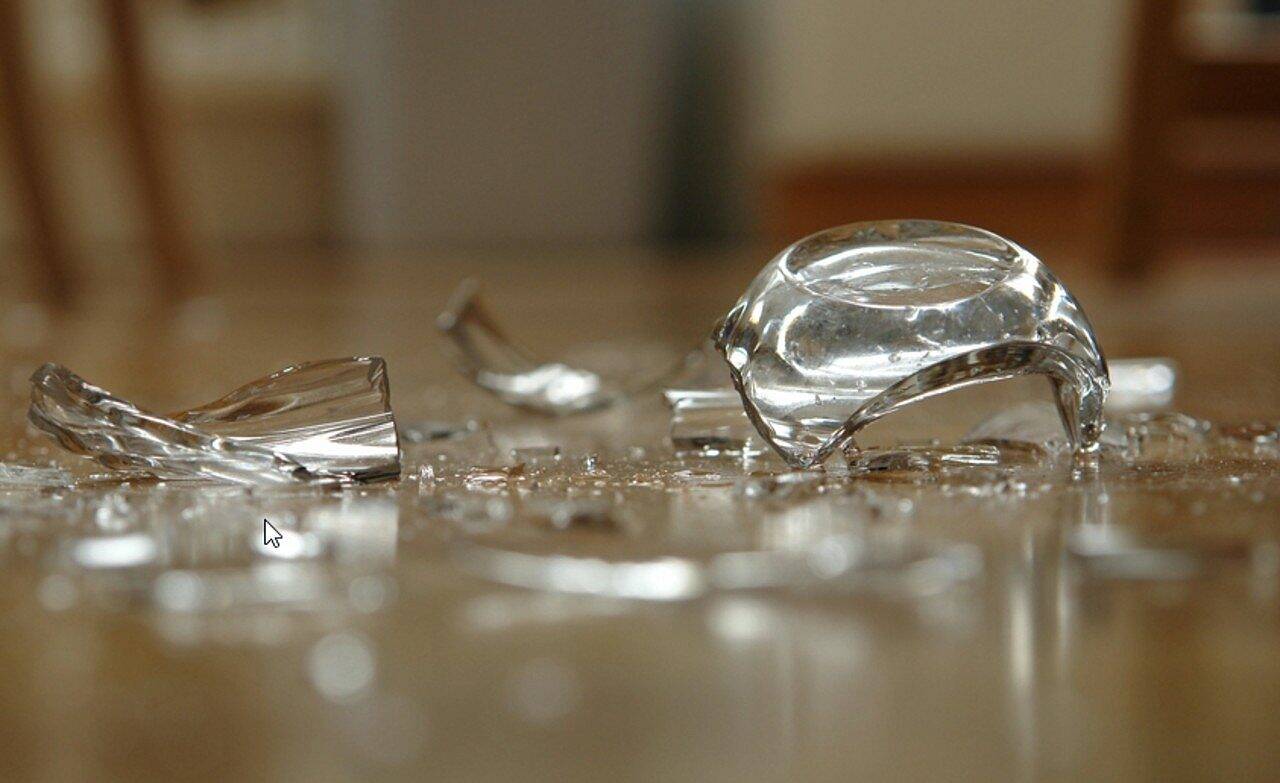
A teacher identified as Michele Ramos reported that a student had placed a piece of glass in her glass of water during a class at a municipal school in São José dos Campos, in the interior of São Paulo. Although she did not ingest the liquid, the incident raises important questions about the dangers of swallowing a fragment of glass.
Health professionals warn that drinking glass presents serious risks. The severity of the consequences for the body essentially depends on the size, shape and where the fragment is lodged in the body.
In fact, ingesting glass can be fatal. The person’s life is in danger if serious complications occur, such as perforations of internal organs, intense bleeding or severe infections. Emergency physician Felipe Liger, who works in the Emergency Room at Hospital Alemão Oswaldo Cruz, explains that, in such scenarios, response time is crucial to avoid rapid worsening and irreversible damage.
As the doctor details, tissue perforation can open the way for bacteria and other contents of the gastrointestinal tract to spread to other areas of the body. This can trigger extremely dangerous infections, such as mediastinitis, which affects the chest region, or peritonitis, which affects the abdomen.
A condition becomes potentially fatal when vital organs are punctured, especially the esophagus and intestines. The same happens if the fragment reaches large blood vessels, resulting in considerable blood loss.
How the size of the glass fragment changes the risk
Glass shards that are larger and have sharp edges pose the greatest threat to the digestive system. These fragments significantly increase the chances of cutting tissue, causing punctures and becoming trapped in narrower parts of the body.
Smaller, rounded glass fragments can, in some cases, pass through the body without causing major problems. However, medical experts emphasize that not even these pieces are completely danger-free and deserve attention.
Even smaller pieces with sharp edges are capable of causing injury. Doctor Liger points out that “although small, fragments with sharp edges can cause small injuries and localized inflammation.”
The alert is reinforced by endoscopist Giulio Fabio Rossini, also from Hospital Alemão Oswaldo Cruz. He agrees that the greatest risks are associated with large, sharp fragments, but highlights that even smaller pieces that have sharp points or edges can lead to complications.
Potential harm from drinking glass
The presence of glass in the body is capable of causing a series of injuries throughout the digestive tract, from the mouth to the anus. The most relevant hazards include cuts, bleeding episodes and internal perforations.
In the oral cavity and throat, ingestion may result in immediate pain, lacerations and local bleeding. There is also the possibility of the fragment becoming trapped in regions such as the tonsils or the base of the tongue.
In the esophagus, the situation is considered critical risk. This is due to the anatomical structure of this organ and its proximity to vital regions of the chest. A perforation in the esophagus can lead to profuse bleeding and cause mediastinitis, a serious chest infection.
When it reaches the stomach and intestines, the natural movement of these organs can propel the shard of glass against the wall of the digestive tract. If a perforation occurs, there is a risk of gastrointestinal contents leaking into the abdominal cavity, potentially triggering peritonitis and sepsis, conditions that require urgent intervention.
Recognizing warning signs after swallowing glass
The manifestation of pain or difficulty swallowing requires immediate medical attention. According to health professionals, this is one of the main indications that the glass may have caused an injury or be stuck in some part of the digestive system.
Vomiting with the presence of blood is also a crucial warning sign. The blood may be visible in a bright red color or have a texture similar to “coffee grounds”, indicating possible bleeding in the digestive tract.
The presence of blood in the feces or very dark colored feces with a strong odor should also be promptly investigated. These symptoms may signal bleeding in some part of the digestive system.
Pain in the neck, chest or abdomen also requires emergency care. Symptoms such as fever, chills, excessive sweating and a drop in blood pressure may indicate the occurrence of an infection or a more serious systemic complication.
What to do if you swallow glass
The primary recommendation is to seek immediate medical attention without delay. Anyone who suspects they have swallowed glass should not attempt to resolve the problem themselves at home.
It is crucial not to try to induce vomiting. The movement of the fragment back through the esophagus can cause new injuries or worsen existing cuts, making the situation even more dangerous.
It is not advisable to eat or drink in an attempt to “push” the glass fragment. Doctor Rossini emphasizes that the initial approach should always be a complete clinical evaluation by a professional.
If the doctor deems it necessary and there are no signs of serious complications, an endoscopy examination may be recommended to visualize the fragment. If there are signs of perforation or other serious complications, imaging tests such as tomography or X-rays can be used to assess the extent of the condition.
Understand the case of the teacher from São José dos Campos
Teacher Michele Ramos reported that one of her students inserted a piece of glass into her glass of water during a class. The incident occurred at Escola Municipal Professora Ildete Mendonça Barbosa, located in the Residencial União neighborhood, in São José dos Campos, the day before.
In a video posted on social media, Michele stated that she never drank the contaminated water. According to her report, other students noticed the situation, but did not warn her directly, only with indirect warnings such as: “if I were you, I wouldn’t drink that water”.



