
Ferrari expands F1 updates, and Mercedes ironically provokes budget ceiling limits

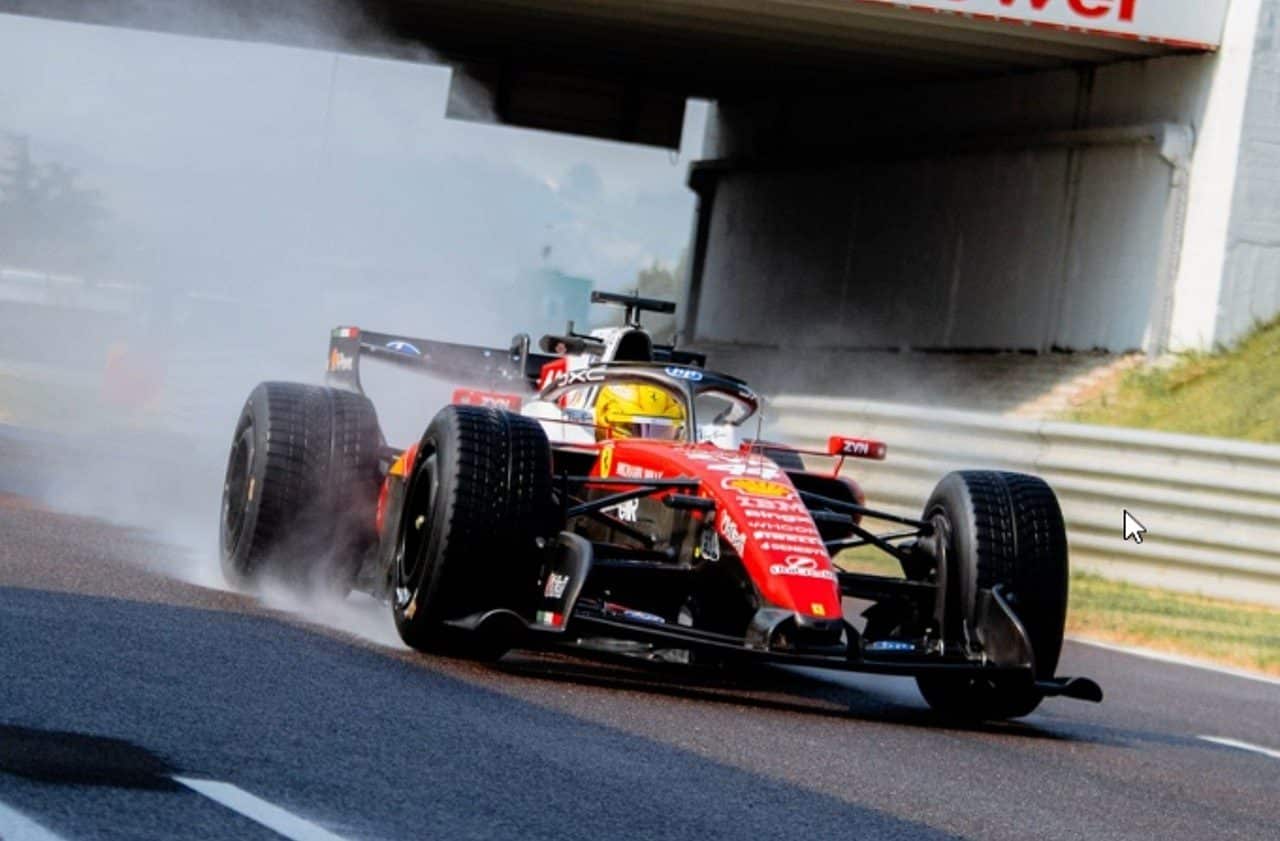
In a scenario of intense competition in Formula 1 in 2026, Ferrari has dedicated itself to implementing a significant series of improvements to its cars, seeking to shorten the distance to Mercedes, which leads the championship. The Italian team already presented 11 modifications at the Miami GP in May, added more new features in Barcelona and, more recently, introduced a redesigned engine at the Austrian GP. Faced with this volume of investment, Toto Wolff, head of the German team, launched a hint about the rival’s apparent unlimited availability of resources, questioning compliance with the category’s spending ceiling.
Toto Wolff’s statement on Ferrari’s investment strategies
The Mercedes manager expressed surprise at the frequency and size of Ferrari’s updates. According to Wolff, the volume of new features introduced by the Maranello team is so great that he wonders how they manage to operate within Formula 1’s budget limit. He stated that Mercedes does not have the same financial margin to carry out so many innovations, projecting that, logically, Ferrari should exhaust its resources soon, preventing future updates at the end of the season.
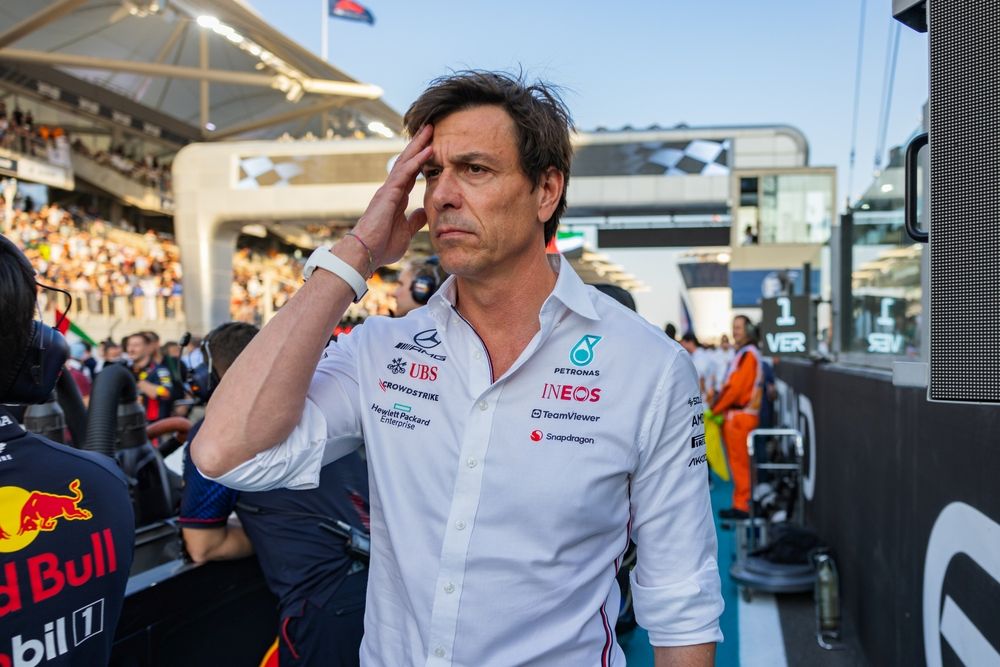
The head of the German team also mentioned that Mercedes, currently leader of the Constructors’ World Championship, has been betting on smaller and more focused improvements to its cars, in contrast to the more flashy and visible advances of the opposing team.
Sequence of innovations by the Italian team and their results
The initial update package for the Maranello team in Miami covered a wide range of components. The front wing, spoilers, front suspension, floor, floor edges, diffuser, rear suspension, beam wing, rear fairing, rear wing and rear endplates have been redesigned, demonstrating a comprehensive effort to optimize performance.
Although Charles Leclerc achieved third place in the sprint race, the most significant impacts of these updates began to be noticed only in Canada, the next stage. There, the team opted to refine the existing package, which translated into a second place for Lewis Hamilton and a fourth place for the Monaco driver.
Lewis Hamilton once again achieved a podium in Monaco, repeating the performance achieved at the Circuit Gilles Villeneuve. Later, at the Barcelona-Catalunya GP, new updates were applied to the SF-26, including a redesigned front wing, a new floor and remodeled sidepods, aiming to maximize aerodynamic gains. The result was even more encouraging, with the seven-time champion securing victory in the race.
Impact of modifications to the Ferrari engine and the ADUO system
In the period between the Spanish race and the Austrian GP, Ferrari went a step further, developing the first modifications to its engine, a move enabled by the ADUO (Additional Development and Upgrade Opportunities) system. This program aims to support engine manufacturers that have a performance deficit.
Estimated at a 4% disadvantage compared to the combustion engine (ICE) from Ford, a Red Bull partner, the Italian team obtained special permission. This included more testing, extra upgrades and an adjustment to its engine-specific spending cap. However, the high temperatures at the Spielberg Circuit compromised the performance of Hamilton and Leclerc, who were unable to fight for the podium and were left outside the top 3 in Austria.
Even so, the seven-time champion remains in third place in the constructors’ championship, with a 46-point gap to Kimi Antonelli, Mercedes driver. The German team, in turn, has a 98-point advantage over second-placed Ferrari, which remains its main rival this season. Wolff reiterated that Ferrari is the only team showing no signs of slowing down in its development, contrasting with Mercedes, Red Bull and McLaren, who introduce smaller parts between stages. He highlighted Ferrari’s anticipation of the ADUO system and the early development of the new engine, questioning the fairness of the rules for everyone.
Mercedes update strategies and the performance of its drivers
Mercedes chose Canada as the stage for its first update to the 2026 car, focusing on changes to the front wing, front and rear corner assemblies and the floor. However, the team suffered from the retirement of George Russell due to an engine problem.
In the following round, in Monaco, the team adjusted its rear wing, a component that was modified again for the Barcelona GP. In the week before the Austrian GP, the eight-time world champion implemented a new front suspension, taking victory in the race with George Russell.
Current overview of the spending cap in Formula 1
Currently, the spending ceiling in Formula 1 is set at approximately US$215 million, which is equivalent to around R$1.1 billion. This value represents an increase compared to the previous year’s 135 million dollars, driven by the introduction of a new technical regulation.
In addition, power unit manufacturers have a separate budget ceiling, set at 130 million dollars (about R$678.7 million). Both Ferrari and Mercedes are manufacturers of their own engines, which subjects them to this additional rule.



