
FIFA World Cup 2026: meet the mascots Maple, Clutch and Zayu who support the tournament

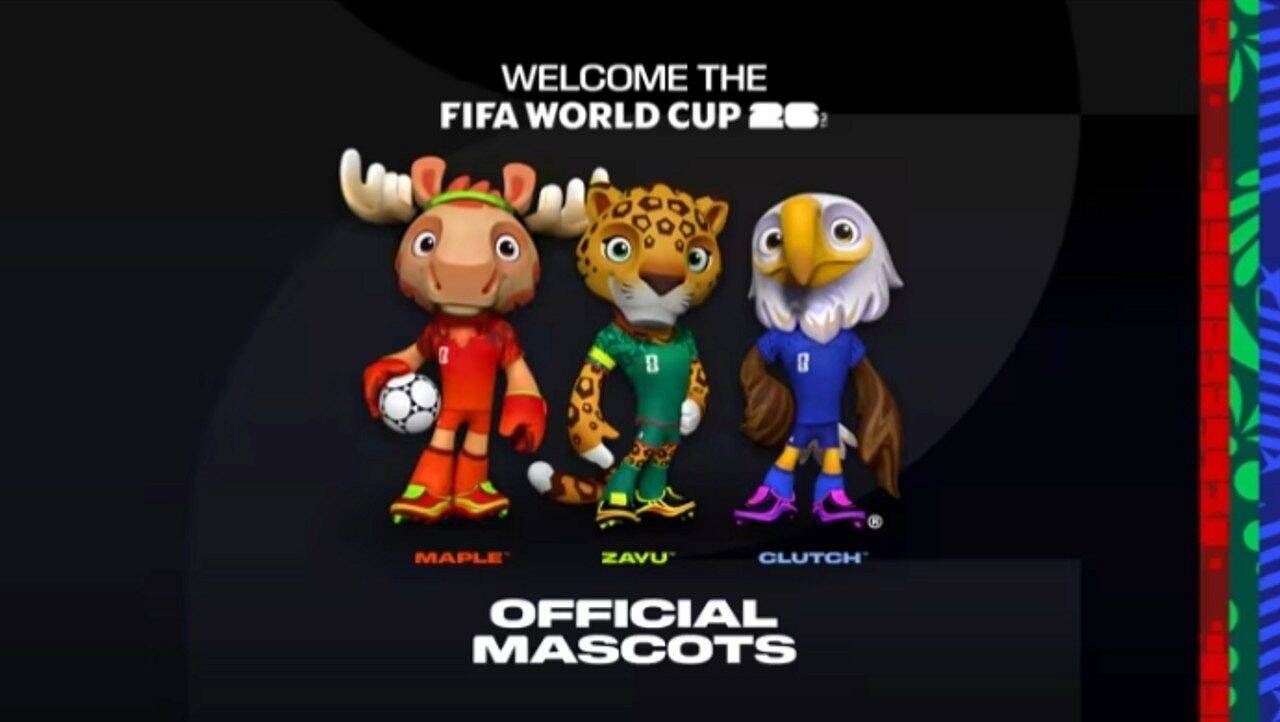
The 2026 World Cup is already in full swing, and this July 2nd, the competition advances to its most decisive knockout phases. The tournament’s visual identity, striking since the beginning, is consolidated by the three official mascots that represent the host nations: Canada, Mexico and the United States. Each character carries cultural elements and a specific role in the world of football.
Since the opening ceremony, the trio of charismatic figures has animated the global event. They are Maple the Moose, the moose that symbolizes Canada, Clutch the Bald Eagle, the bald eagle that personifies the United States, and Zayu the Jaguar, the feline that represents Mexico, each with its own designation on the field.
Maple the Moose, the Canadian World Cup goalkeeper
Canada has its ambassador in the form of Maple the Moose, a moose whose name makes a clear allusion to the iconic maple leaf, present on the national flag. Designed to act as a goalkeeper between the mascots, it evokes defensive solidity, a quality that has been fundamental for teams in the early stages of the competition.
Clutch the Bald Eagle, the American midfielder in contention
Representing the United States, bald eagle Clutch the Bald Eagle assumed the role of midfielder. This bird, which is a national icon, has its name associated with the term “clutch” in sports jargon. The word describes athletes who demonstrate excellence and are decisive in crucial moments of a game, an indispensable skill for teams looking to advance in the knockout stages of the expanded World Cup.
Zayu the Jaguar, the Mexican striker on the field
Mexico is personified by Zayu the Jaguar, a feline that refers to the country’s vast and rich cultural heritage. Positioned as a striker, Zayu embodies the speed and bravery typical of the Jaguars, characteristics that stand out in the dynamism of the matches that define those classified for the round of 16, maintaining the expectations of the fans.
The new expanded format of the 2026 World Cup
The 2026 edition of the World Cup has already consolidated a considerable transformation in its format, with the increase to 48 participating teams. This World Cup is also the first to be co-hosted by three countries Canada, the United States and Mexico, an arrangement unprecedented since the partnership between Japan and South Korea in 2002, which had two hosts.
The initial dispute system, which distributed the teams into 12 groups, has already concluded its phase. The first two placed in each group, along with the eight third-placed teams with the best performance, guaranteed their place in the elimination duels. FIFA ensured that the group stage clashes took place across three broad geographical zones West, Central and East Coast, optimizing the logistics of the 48 teams.
Advance to the round of 16 and next clashes
The opening ceremony and inaugural game of the 2026 World Cup took place on June 11, at the historic Azteca Stadium, in Mexico City, with the presence of the local team. The decisive clash that will define the champion is scheduled for July 19, at the MetLife Stadium, located in New Jersey, in the United States, promising a grand spectacle.
The group stage featured 72 matches in total, distributed across all host cities, taking place from June 11th to 27th. Currently, on July 2, the first eliminatory matches have already been held, and the competition is heading to the round of 16. The games in this decisive phase are scheduled for the next few days in eight stadiums, with all remaining clashes, starting from the quarter-finals, being hosted exclusively in the United States.



