
PlayStation abandons disc games and will only adopt digital codes from January 2028

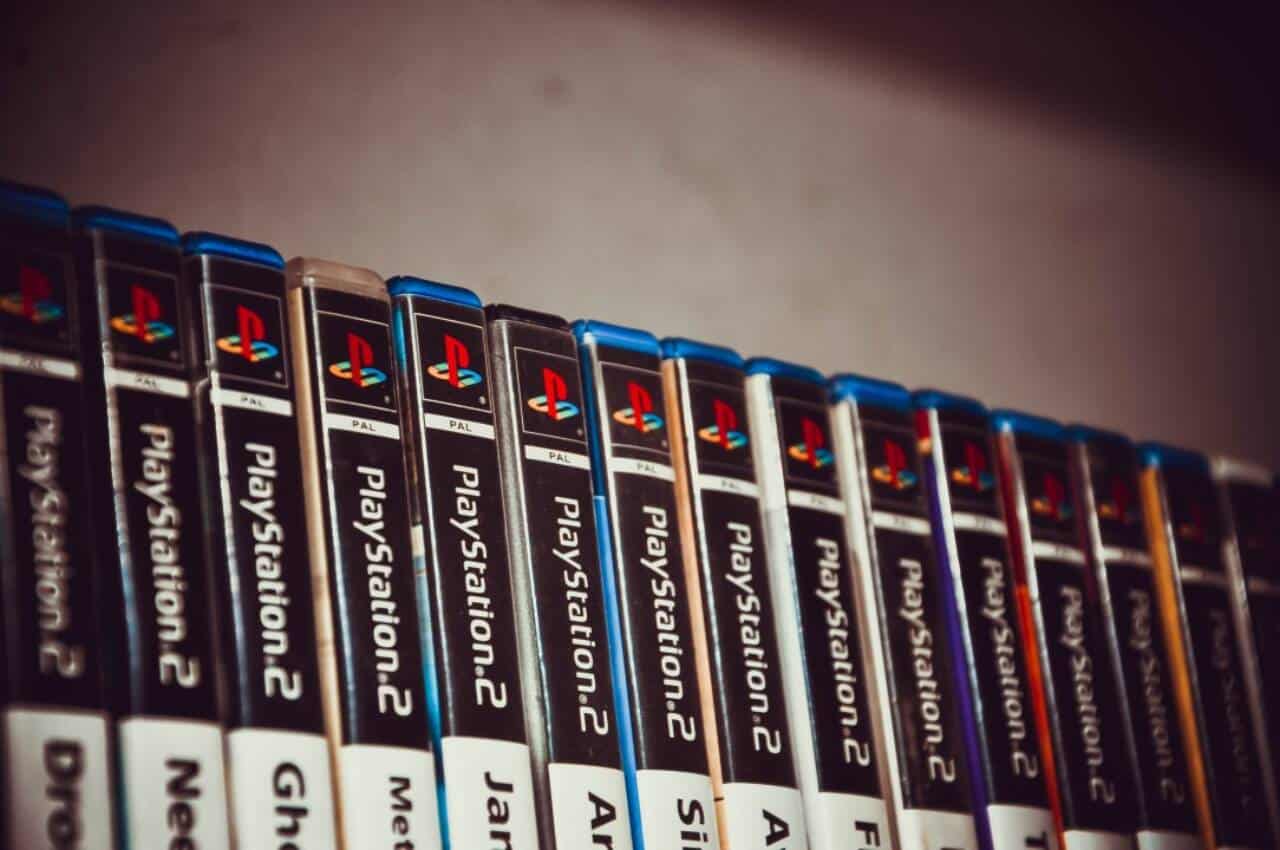
From January 2028, the renowned gaming company PlayStation will no longer sell new titles in physical disc format. The decision marks a significant turnaround in the gaming giant’s distribution strategy.
In an official statement released on its blog, Sony explained that, although future releases can be purchased at points of sale, they will be offered exclusively with digital activation codes.
This decision comes just days after Rockstar Games, another major developer, revealed that the long-awaited release of Grand Theft Auto VI (GTA VI) will also not have a physical media version.
This event highlights a considerable transformation in the games industry, which in recent years has progressively leaned towards fully digital distribution.
The company justified the change by stating that it reflects the evolution of consumer preferences and the general trend of the entertainment industry, which has migrated from physical to digital format.
According to Sony Interactive Entertainment, this is an expected move, as the preference for consuming digital content already considerably exceeds the acquisition of physical media.
However, this initiative is already causing negative reactions on the internet, with gaming journalist Vikki Blake describing it as a “severe blow” to consumer rights.

The journalist expressed great concern about the preservation of historic titles and the consequences for players with lower purchasing power. For many, the purchase of high-cost (AAA) games depends on the possibility of resale, exchange or loan between friends, practices made impossible by the digital model, which transforms the game into a license for use, and not into a proprietary product.
Blake also recalled a previous moment, when Sony, during a console cycle, had made an announcement with an ironic tone about the ease of sharing games on the PlayStation 4, in a clear provocation to its competitor Xbox.
She mocked the current situation, questioning the coherence of the company’s stance.
Christopher Dring, editor of The Game Business, expressed surprise at the news, although he recognizes that digital purchases already represent the most used modality by PlayStation players.
Dring highlighted that, even with the rise of digital, millions of copies of PlayStation games are still sold in physical format.
He described the physical media market as an important segment, with many consumers who still prefer this form of acquisition, which makes the announcement a serious blow to the retail sector.
Lootbox Gaming, an independent store based in Delaware that had previously refused to sell the discless edition of GTA VI, called the move a “direct attack” not only on players and collectors, but also on everyone involved in the development, publishing, distribution and retail chain globally.
A spokesperson for the store argued that, in essence, the decision represents an attack against any individual who values video games or their own right to ownership of purchased products.
PlayStation clarified that the new policy will not impact titles already released or those that hit the market before January 2028.
In a recent incident, Sony also faced criticism for removing over 500 movies and TV series purchased by users from the PlayStation Store without any offer of refund or compensation.
The company justified the removal by claiming the end of its contract with the production company StudioCanal, which resulted in the loss of marketing rights for this content, scheduled to disappear from users’ collections on September 1st.
Previously, gamers had expressed concern about the launch of GTA without physical media, with one of them highlighting that the absence of a disc prevents the practice of lending the game to friends or reselling it in the future.
The BBC asked Sony about its future plans to allow the transfer of ownership of digital games, especially in light of the recent changes.
To date, the company has not issued any official position on this issue.





