
Barcelona: Spanish club vetoes Raphinha’s participation in the Brazilian team to avoid worsening injury

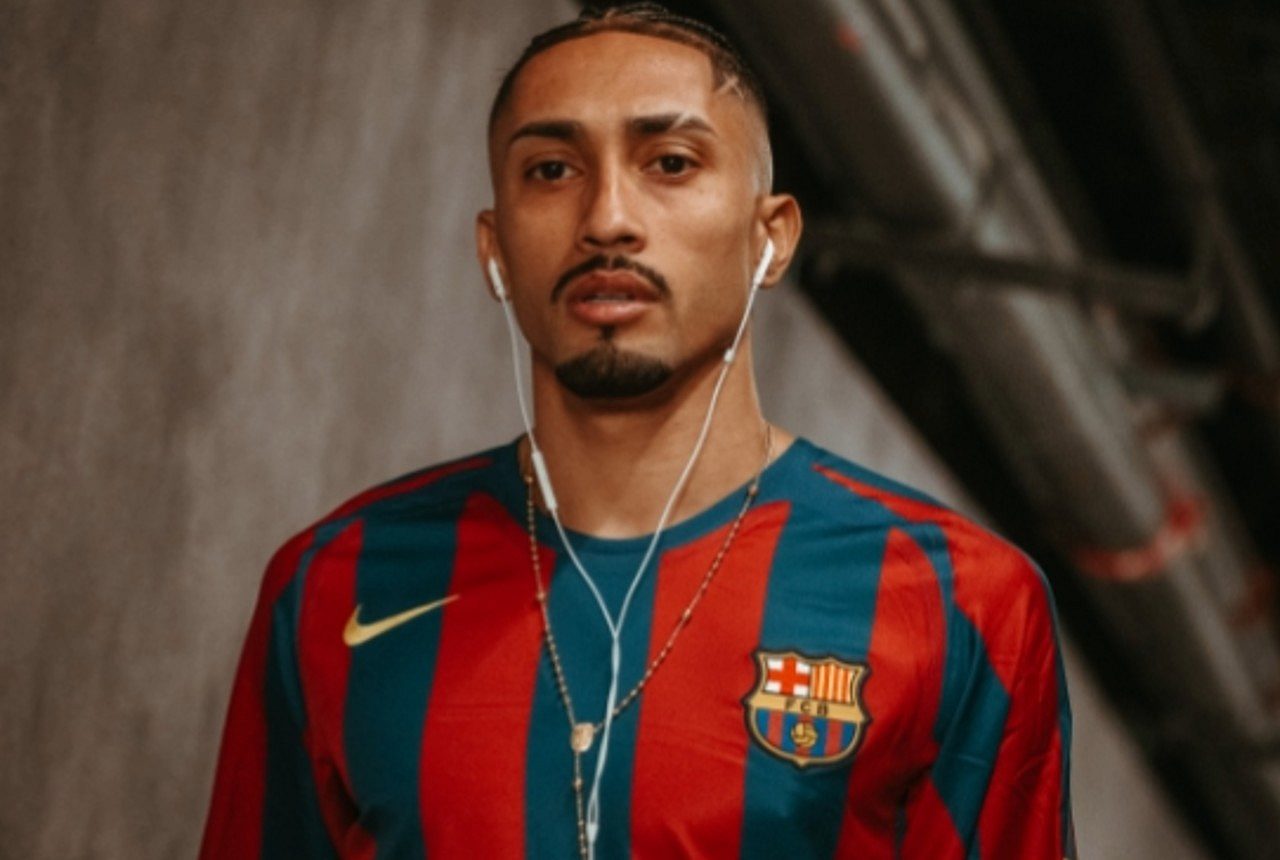
Barcelona’s board took a restrictive decision regarding the international calendar of one of its main attackers. The sporting institution officially announced that it does not wish to see Raphinha playing for the Brazilian team during World Cup commitments. The drastic measure comes as a direct response to the athlete’s clinical condition, who is currently undergoing a rehabilitation process focused on a bruise located on his right thigh. European officials fear that the intensity of the tournament will worsen the player’s medical condition and jeopardize the remainder of the season.
The clash between the needs of national teams and the interests of European teams takes on a new chapter with this blockade. The requirement for time off reflects the immediate concern about accumulated physical exhaustion, as the current calendar does not offer adequate windows for complete rest. The order coming from Spain is clear in the sense of keeping the professional under the daily supervision of their own physiotherapists, avoiding long trips and the training load that a short shooting tournament requires from those called up.
The Catalan medical team’s concern about the attacker’s physical history
The team’s health department is monitoring the Brazilian with extreme caution due to the accumulation of recent physical problems. During the current competition cycle, the right winger has already recorded five significant absences due to muscular issues. This frequency of visits to the infirmary raised a red flag behind the team’s scenes, motivating direct intervention with Brazil’s technical committee. The main objective is to guarantee the integrity of a piece considered vital to the coach’s tactical scheme in Europe.
Sports medicine experts point out that repetitive injuries to the same region of the thigh require absolute recovery time and continuous specific strengthening. As the athlete works in a position that demands muscular explosion, sudden changes of direction and high-speed sprints, any hasty return to the field can result in a more serious rupture of the fibers. The Catalan team understands that the environment of a World Cup, with games played over short intervals of days and high levels of stress, represents the worst possible scenario for full healing of the affected tissue.
Financial investment and priorities of the European team in club competitions
In addition to the purely clinical issue, there is a strong financial and strategic component behind the veto imposed by the Spanish. The signing of the Brazilian involved millionaire figures in the football market, transforming him into one of the most valuable assets of the current squad. Protecting this asset has become the main directive of the top management, who need the player in full condition to compete for the La Liga and European Champions League titles. A chronic injury at this point in his career could devalue the athlete’s passing and severely harm the sports plan drawn up for the year.
The overload of the old continent’s calendar is already a widely debated topic among managers of football’s great powers. With the increase in the number of matches in local leagues and continental tournaments, employers increasingly demand more control over the drafting of their contractors. The case of the right winger perfectly illustrates this historical struggle. On the one hand, federations seek maximum strength in official tournaments; on the other, the institutions that pay monthly salaries try to mitigate the losses caused by prolonged absences resulting from call-ups.
Consequences of removal for Brazil’s tactical scheme and for the player
The attacker’s confirmed absence has an immediate impact on the South American team’s offensive planning. The Brazilian coaching staff counted on the athlete’s speed, dribbling and finishing ability to break down the opposing defensive lines during the competition. Without this wide option on the right side of the field, the tactical scheme will need to undergo urgent adaptations, forcing the search for substitutes who can deliver a level of depth and aggression similar to that of the absolute starter.
To understand the extent of this medical barrier, it is necessary to observe the multiple consequences that the decision causes in the current sporting scenario:
- Personal frustration for the athlete, who misses the rare opportunity to represent his country on the most important and watched stage in world sport.
- Need for immediate reformulation of the Brazilian technical committee’s squad list on the eve of decisive knockout matches.
- Increased diplomatic tension and debates between national federations and European clubs regarding the mandatory release of professionals.
- Total and exclusive focus on physiotherapy rehabilitation within the club’s state-of-the-art facilities in Spain, eliminating the logistical strain of transatlantic flights.
The psychological impact on the athlete also enters the equation evaluated by sports psychologists. Being left out of a global showcase due to medical and administrative imposition requires a complex process of acceptance, redirecting the player’s motivation towards his internal recovery.
Career management and the delicate balance in high-performance football
The episode highlights the complexity of managing the trajectory of an elite athlete today, where the limits of the human body are tested to the extreme. An individual’s desire to wear their nation’s shirt often conflicts with the physical preservation guidelines established by their clubs. Although the pain of missing out on a World Cup is immeasurable for any professional, acceptance of the strict medical protocol aims to prolong the player’s life on the pitch, preventing a poorly healed injury from becoming a limiting and irreversible problem.
The inflexible stance adopted by the Catalan institution sets a clear precedent for how teams intend to deal with their stars in situations of imminent physical risk from now on. By prioritizing complete recovery over participation in the national team tournament, the club assumes the public burden of the decision, but ensures that treatment follows the standards established by its own sports scientists. The focus now turns entirely to daily strengthening work, aiming for the Brazilian’s safe and definitive return to the commitments scheduled for the final stretch of the European calendar.



