
China withdraws tax benefits for electric and hybrid vehicles in 2027, boosting the maturity of the national automotive sector

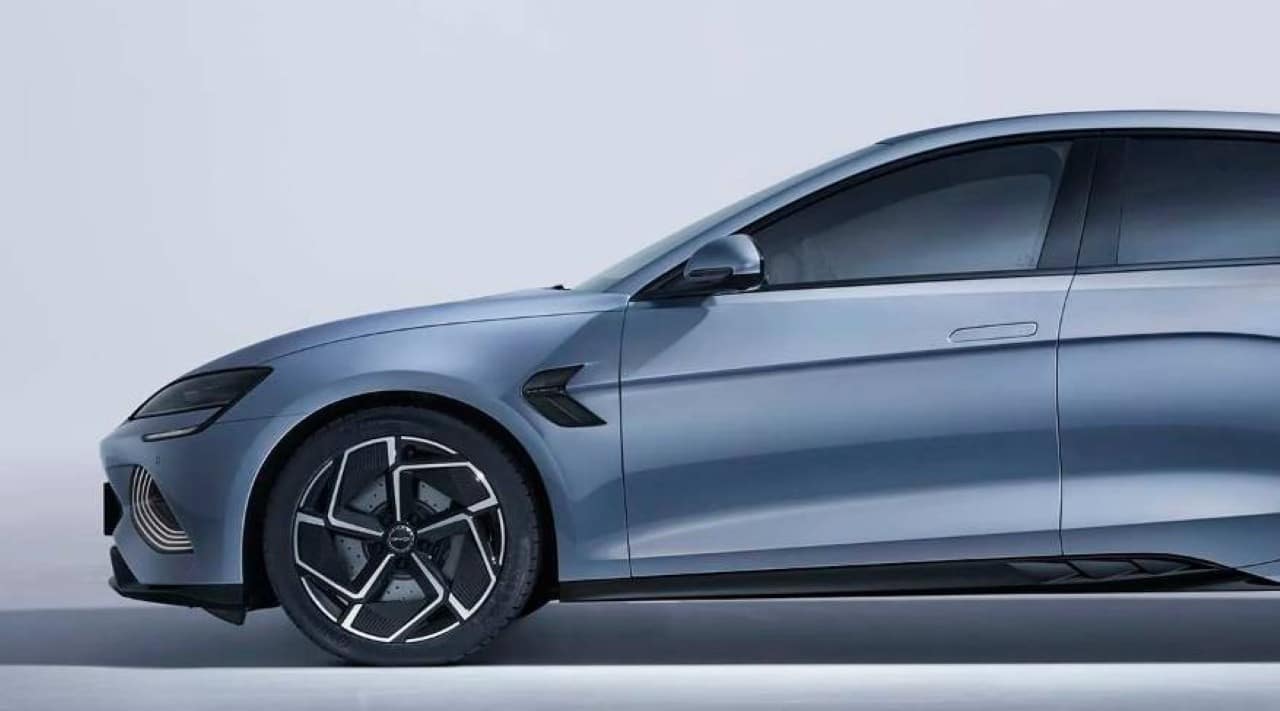
The Chinese government has decided to end, from January 1, 2027, the policy of reducing 50% tax on vehicles and vessels for low-energy cars. The measure also includes the end of tax exemptions for a series of 100% electric commercial vehicles and plug-in hybrids, as well as commercial models powered by fuel cells. This movement signals a new phase for the country’s automotive industry, reflecting the maturation and expansion of the new energy sector.
Adjustments to the tax incentive policy for the automotive sector
The decision was officially announced jointly by the Ministry of Finance, the State Administration of Taxation and the Ministry of Industry and Information Technology. The changes aim to rebalance the tax system, adapting it to the current stage of development of the new energy vehicles (VNEs) market in China. Cars already in circulation and those purchased after the deadline will have to comply with full tax legislation.
- Low energy consumption vehicles:Which currently benefit from a 50% tax reduction.
- 100% electric commercial vehicles:Currently tax-exempt.
- Plug-in hybrids (including extended range ones):They also enjoyed tax exemption if they were commercial.
- Fuel cell-powered commercial vehicles:That they will lose their current exemption.
Vehicle models that maintain full tax exemption
Despite the revisions, not all new energy vehicles will lose their tax benefits. Fully electric passenger cars, for example, will continue to be exempt from the tax. This maintenance of the exemption also extends to fuel cell-powered passenger vehicles.
The justification for continuing the exemption for these models is clear: the Chinese government considers them to be completely clean, as they do not emit pollutants. They, therefore, do not fit into the tax base provided for by the Vehicle and Vessel Tax Law, which historically taxes vehicles based on their polluting capacity or fuel consumption.
The legacy of incentives in the growth of Chinese industry
Since 2012, China has implemented a robust incentive policy to boost the production and consumption of new energy vehicles. This strategy included 50% discounts for low-consumption cars that met official criteria and a full exemption for qualified VNEs. These benefits were crucial for the country’s transformation into a global hub for the development and manufacturing of electric and hybrid vehicles.
The aggressive approach, combined with massive investments in research and development, charging infrastructure and an efficient supply chain, has enabled Chinese automakers to become world leaders in VNE technology. This success consolidated China’s position as the largest market and producer of these vehicles, with a constantly growing fleet. The removal of incentives is a testament to the self-sufficiency and competitive strength that the sector has achieved.
Financial implications and the search for a balanced tax system
The Ministry of Finance argues that the partial removal of incentives occurs in a scenario of rapid expansion of the VNE industry and a significant increase in the fleet of these models. This growth reduced the need to maintain a portion of tax subsidies, in addition to fueling a debate about the equity of the tax system in general. Industry experts assess that the financial impact of the change on purchases and for owners tends to be limited.
- RMB 420 per year in Beijing city.
- RMB 300 per year in Shanghai city and Guangdong province.
The policy review is therefore seen as a step towards making taxation more balanced and adjusting incentives to the current stage of development of China’s new energy vehicle industry. This suggests that the government is confident that the sector can prosper with less direct aid, focusing on other mechanisms to support innovation and competitiveness.
Future prospects for China’s new energy vehicle market
The Chinese government’s measure signals a transition from a phase of aggressive stimulus to one of market consolidation and maturity. With the removal of some incentives, the focus can shift further to technological innovation and cost efficiency as drivers of growth. Internal competitiveness tends to intensify, with manufacturers seeking differentiation in performance, design and price, without dampening tax benefits for certain categories.
This move could also have repercussions for the global market, as China continues to be an important bellwether for trends in the new energy vehicle sector. The search for a fairer tax system and confidence in the robustness of the local market can serve as an example for other countries that also seek to develop their own VNE industries, balancing government support with long-term economic sustainability.





