
Experts detail fatal damage caused by swallowing glass after attack on teacher in São José dos Campos

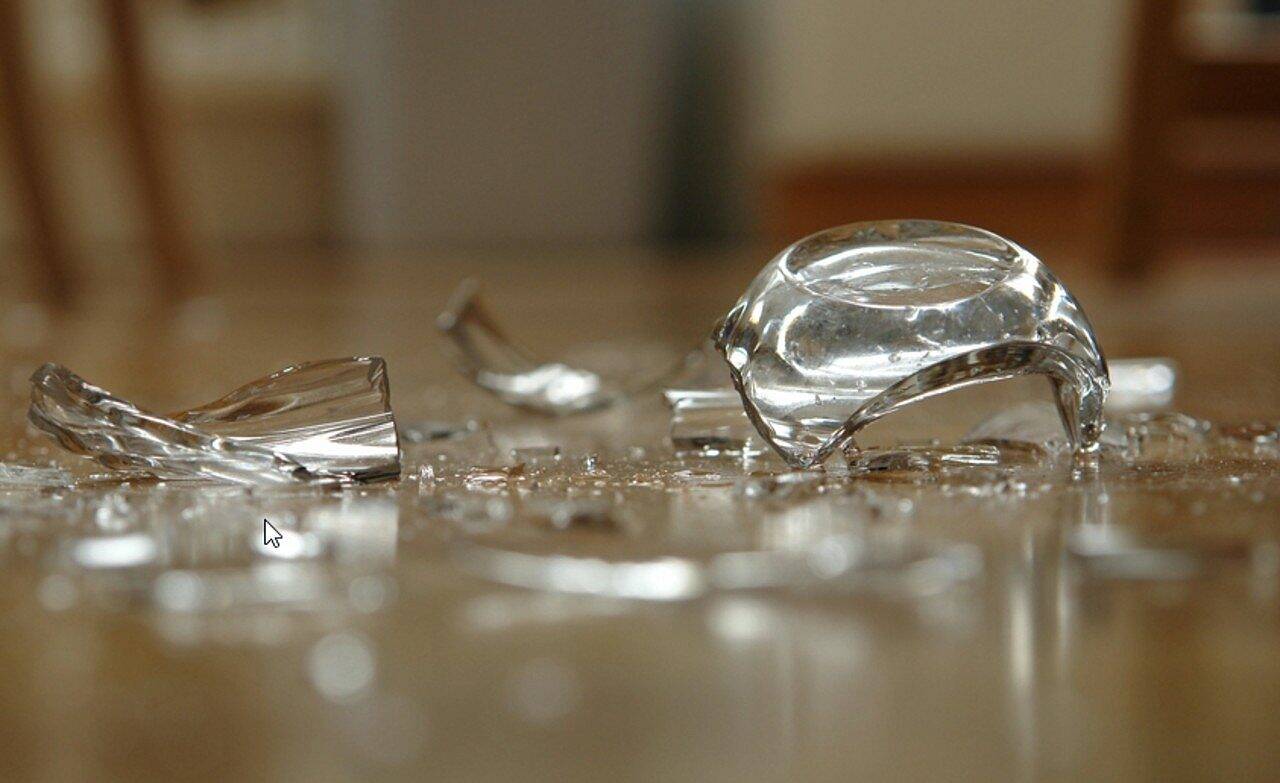
The scare experienced by educator Michele Ramos, who almost consumed water with a sharp fragment deliberately placed by a student, brought to light an urgent and necessary medical discussion. The case, registered at a municipal educational institution in the city of São José dos Campos, an important hub in the interior of São Paulo, did not end in an unprecedented tragedy because the victim was notified in time by third parties. However, the disturbing episode serves as a stark warning about the devastating consequences that sharp materials cause when they come into contact with the human gastrointestinal tract. The fragility of our internal structures makes any such accident a race against the clock.
Medical experts are categorical in stating that swallowing this type of material constitutes a highly complex emergency, requiring immediate intervention. The level of internal destruction varies drastically depending on the morphology of the object, its exact dimensions and the specific location where it ends up during the digestion process. The esophagus, for example, has muscular walls only a few millimeters thick, which makes it extremely vulnerable to small tears that can lead to the patient’s death within a few hours if adequate help is not provided. Human anatomy simply wasn’t designed to handle ingesting sharp inorganic compounds.
A situation like this has real potential to take a person’s life quickly, turning a trivial accident into a fatality. Extreme complications involve the rupture of vital organs, internal bleeding that does not stop naturally and generalized infectious conditions that are difficult to control pharmacologically. According to Felipe Liger, an emergency doctor who works on the front line at Hospital Alemão Oswaldo Cruz, agility in pre-hospital and hospital aid is the only factor capable of stopping the progression of damage that would otherwise become permanent and fatal. Every minute lost in the waiting room can represent an irreversible worsening of the injured patient’s prognosis.
When internal tissue is torn by the improvised blade, it creates a direct entry point for the natural bacterial flora of the digestive system to invade sterile cavities of the body. This leakage of gastric or intestinal contents generates fulminant infections that defy even the most potent antibiotics available on the market. Among the most feared complications are mediastinitis, which attacks the central area of the chest where the heart and large vessels are located, and peritonitis, responsible for severely inflaming the entire membrane that covers the abdominal region. Both conditions require immediate admission to Intensive Care Units.
Dimensions and formats determine the level of internal destruction
Robust pieces with sharp ends represent the worst possible scenario for surgical teams that treat this type of trauma in emergency rooms. Such objects exponentially multiply the probability of tearing sensitive mucous membranes, perforating thick muscular walls and becoming wedged in areas of natural anatomical narrowing, completely blocking digestive transit. The mechanical removal of these larger blocks tends to be a huge technical challenge, requiring millimetric precision from surgeons to avoid enlarging the cut during extraction.
On the other hand, tiny particles with rounded edges can even travel through the human body without leaving a trail of obvious destruction or causing immediate pain. Despite this apparent harmlessness, gastroenterology teams warn that there is no absolute safety margin when it comes to swallowing glass, requiring strict clinical monitoring until the foreign body is completely eliminated through natural means. The patient needs to be closely monitored to ensure that no microlesions go unnoticed during the intestinal journey.
The real danger remains hidden even in chips that are almost invisible to the naked eye, as long as they have cutting capacity or irregular ends. Doctor Liger makes a point of pointing out, based on his experience in the office, that these small invisible blades are perfectly sufficient to trigger chronic focal inflammations and continuous bruising throughout the entire digestion process. Constant irritation of the stomach wall can mimic the symptoms of a severe ulcer in a matter of hours.
This view of extreme caution is widely shared by Giulio Fabio Rossini, an endoscopy specialist who is also part of the clinical staff at Hospital Alemão Oswaldo Cruz. The health professional reiterates that, although the larger blocks are the main and most obvious villains in the story, any sharp splinter carries the potential to generate severe clinical consequences that require hospitalization. Underestimation of the problem by the patient is often the factor that transforms a simple case into a surgical emergency.
The path of the sharp material causes injuries from the mouth to the intestine
The journey of a sharp foreign body through the human body leaves a trail of injuries that can begin on the lips and end only in the fecal excretion route. Doctors on duty frequently deal with deep lacerations in the mucosa, hemorrhages that are difficult to control with conventional medications, and holes that connect organs to areas that should be hermetically isolated. Mapping this trail of destruction requires high-resolution imaging exams in the first moments of care.
From the first physical contact, the oral cavity and pharynx suffer intensely from acute pain, superficial cuts on the roof of the mouth and immediate bleeding from the gums. There is also a considerable chance of the glass splinter becoming deeply embedded in the spongy tissue of the tonsils or stuck to the back of the tongue, requiring mechanical removal using tweezers under local anesthesia. The patient’s panic when tasting blood usually worsens the situation, causing dangerous choking.
Transit through the esophageal tube is classified by medical literature as the moment of greatest tension due to the anatomical proximity to the heart, aorta and lungs. An accidental puncture in this specific region not only causes massive blood loss into the thoracic cavity, but also paves the way for the aforementioned mediastinitis, a condition with very high mortality rates even in the best medical centers in the world. Surgical intervention on the chest is always considered to be extremely risky.
Upon reaching the stomach and intestinal loops, the involuntary muscular contractions of digestion end up pushing the blade relentlessly against the internal walls. If the natural protective barrier is broken by this friction movement, the leakage of acidic gastric juice and feces full of bacteria into the abdomen begins a rapid process of sepsis. In these dramatic cases, medical teams are forced to urgently perform open abdominal surgery to wash the cavity and save the patient’s life.
Main symptoms that require immediate rush to the emergency room
Quickly identifying the signs that the body is suffering severe internal damage is the first and most important step to avoiding a tragic outcome. Any abnormal discomfort, however small it may seem, immediately after suspected ingestion triggers a maximum red alert for hospital triage teams. Emergency protocols dictate that observation of symptoms dictates the pace



