
Jodie Foster suggests Brad Pitt’s F1 film was made by AI in debate about the future of Hollywood

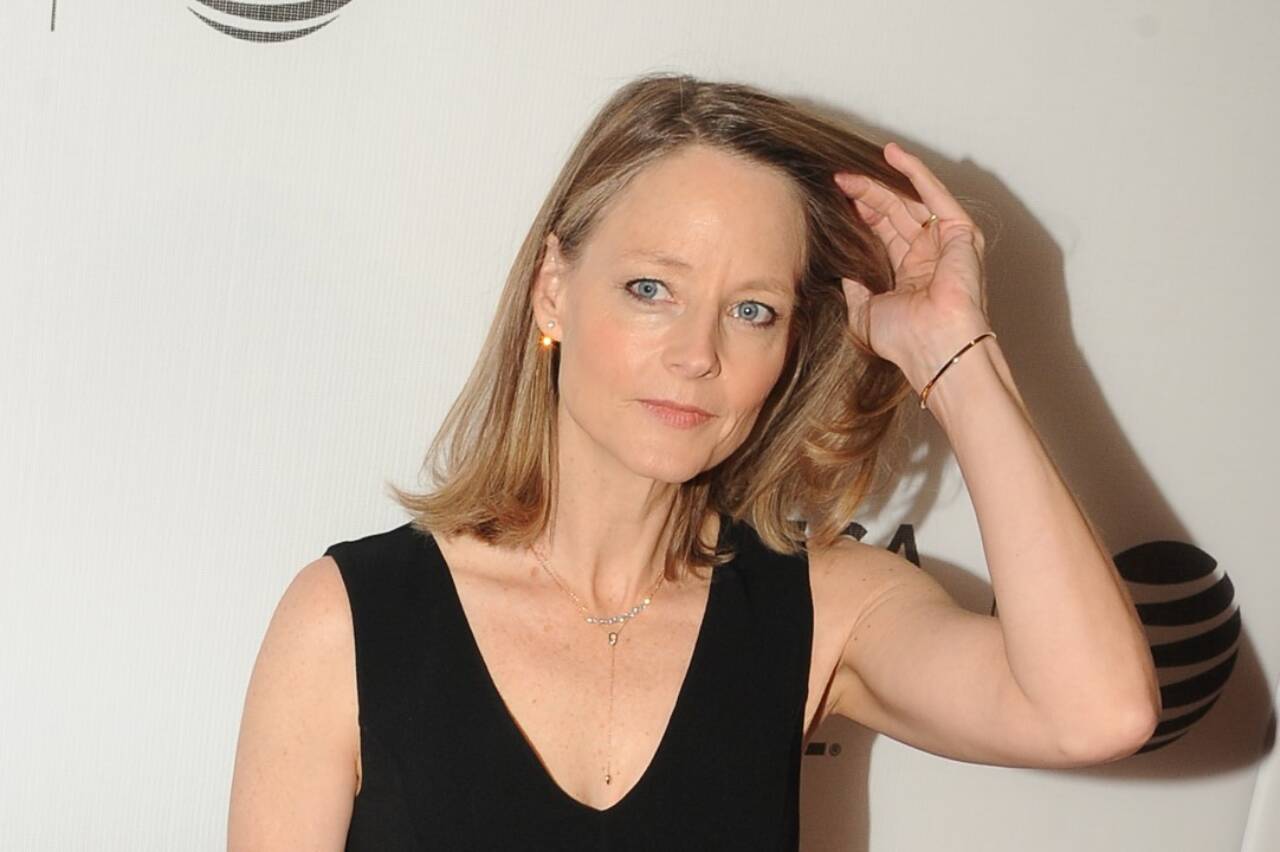
Actress Jodie Foster raised a question about the film “F1”, starring Brad Pitt, when she stated that the production “seems to have been made by artificial intelligence” during her participation at the Aspen Ideas Festival.
During a debate on Tuesday with former Sony executive Michael Lynton, the 63-year-old artist made the statement. She was involved in a conversation about transformations in the film sector and the impact of artificial intelligence.
Both discussed the business dynamics in Hollywood and how AI has profoundly influenced the entertainment industry.
“I don’t say that in a derogatory way, how could I? This film made millions of dollars, but when I look at a production like ‘F1’, I feel like it was created by artificial intelligence,” commented Foster.
She questioned: “Wasn’t it? The structure of the narrative followed precisely the model that is learned in film schools.”
The star of “The Silence of the Lambs” added that the actors’ dialogues were delivered “exactly as they would be written if a computer were creating what would be ideal for that moment.”
Foster went on to highlight that the film’s creators “have managed to master the technology to make something big and beautiful, and potentially where a lot of information comes from other places.”
Our efforts to reach representatives for Jodie Foster and Brad Pitt for comment have not received a response as of press time.
The film “F1” was directed by Joseph Kosinski, while the script was written by Ehren Kruger.
Brad Pitt played a central role in the sports drama, starring alongside Damson Idris, Kerry Condon, Javier Bardem and Tobias Menzies.
The central premise, according to the IMDB synopsis, involves “a Formula One driver who comes out of retirement to mentor and form a duo with a young driver.”
“F1” was a box office success upon its theatrical release in June last year, grossing $634.1 million on an estimated budget of between $200 million and $300 million.
The production also received four Oscar nominations and won the Academy Award for Best Sound.
Director Kosinski, known for works such as “Top Gun: Maverick”, had already commented on the challenge of bringing “F1” to life using as many practical effects as possible.
“The public can tell when something was captured in real life and when it was fabricated,” Kosinski told Esquire magazine last year, adding that the team developed “a much smaller and lighter camera system.”
The filmmaker also mentioned that “the main objective was to make the viewer feel like they were actually in the race. That’s why we shot scenes at Grands Prix, which meant extremely restricted filming windows.”
He detailed that, on certain occasions, the actors and production team only had “a few minutes to record a scene”.
“The time constraint was an immense challenge, but at the same time it infused the scenes with an energy and realism that we couldn’t have achieved otherwise,” he concluded.
In the development stages of “F1”, screenwriter Ehren Kruger had contacted Formula 1 driver Lewis Hamilton to review the text.
The athlete also offered assistance in aspects such as casting selection and other character elements.
“To ensure diversity, making sure it really reflected the outside world,” the pilot explained to GQ.
During her recent participation at the festival, Jodie Foster deepened her views on artificial intelligence in the film sector.
“Artificial intelligence represents another major advance in the transformation of the industry,” declared the “Panic Room” actress.
Lynton then asked the actress: “The big question is: are you going to replace actors and writers?”, to which she emphatically replied: “Yes, we replace people.”
Foster cited an example when addressing the replication of extras instead of hiring more people for a scene, a point that resonates with recent discussions about the future of creative work in Hollywood, especially after the strikes of writers and actors that had the regulation of AI as a central issue.
“We’re eliminating a lot of jobs and, hopefully, entities like unions can step in and say, you can use my actor 20 times, but you’re going to have to pay 20 times for it. And I believe that’s fair,” said the actress.
She added that “what we would all like is if filmmakers could master artificial intelligence, without ever losing sight of that control.”
Foster recalled the use of artificial intelligence in a scene from his recent film, titled “A Private Life.”
The dream sequence that employed AI worked for the mystery thriller, although the actress admitted the images “didn’t make sense.”
The use of artificial intelligence in Hollywood has been a topic of intense debate in recent years, with part of the industry vehemently criticizing the use of the technology.
However, other professionals have expressed support for AI, such as the director of “I, Robot”, Alex Proyas, who in June last month declared that the technology can be used to correct the “flawed production process”.






