
Pope Leo XIV, the first American, extols the role of immigrants in the founding of the USA on the 250th anniversary

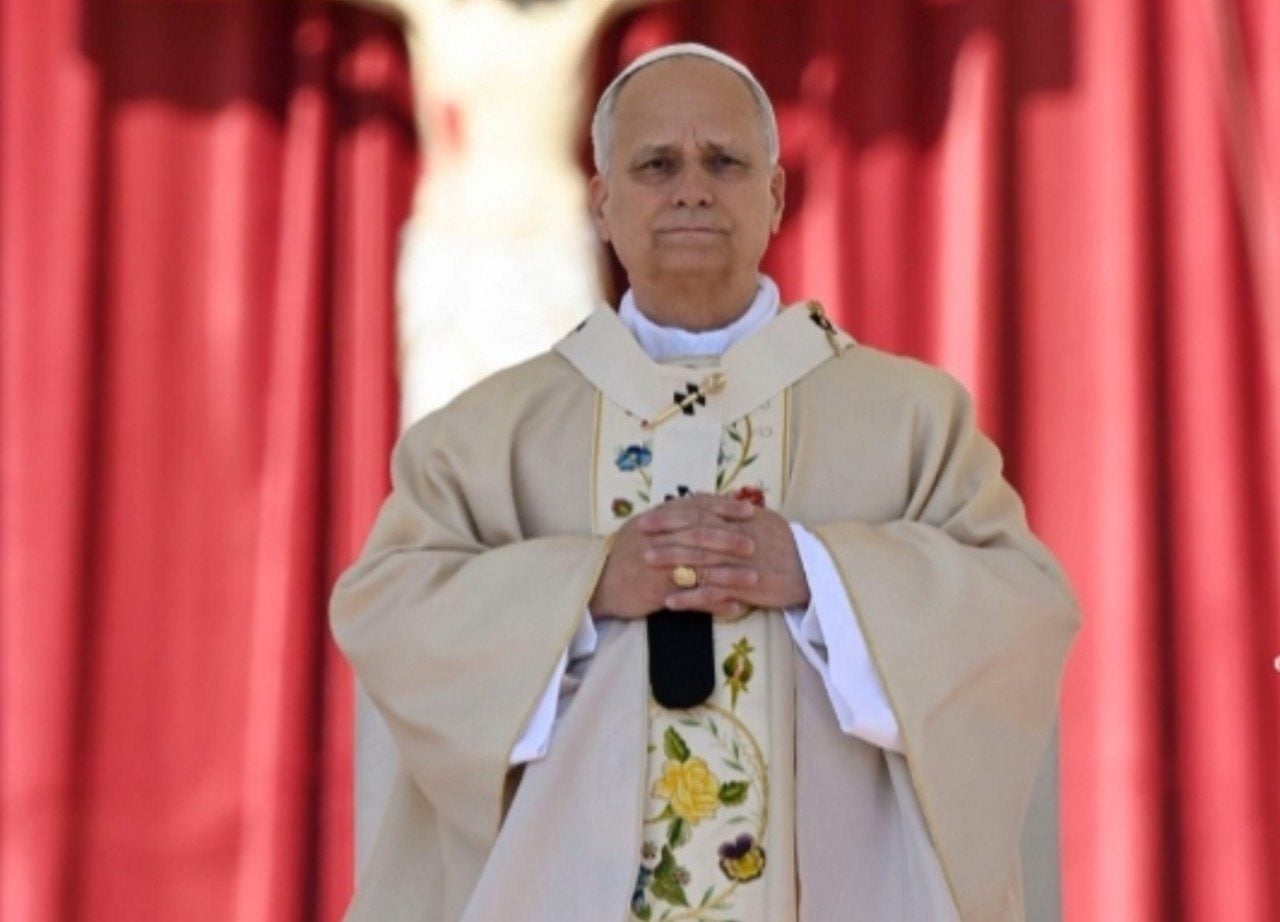
Pope Leo XIV, the first pontiff of American nationality in the history of the Catholic Church, chose the celebration of 250 years of United States independence to send an impactful message, highlighting the fundamental importance of “waves of immigrants” in building the nation. His speech, delivered this Friday, the eve of the holiday, was widely interpreted as a veiled criticism of contemporary anti-immigration policies, notably those associated with political figures such as Donald Trump.
The relevance of the Catholic leader’s statement is even greater when considering that he will spend the day celebrating the USA’s birthday on the Italian island of Lampedusa. This site, one of the main disembarkation points for migrants crossing the Mediterranean seeking refuge in Europe, carries potent symbolism, connecting the American story of reception with the current global crisis of human displacement.
A historical look at the construction of the United States
In his address, Pope Leo XIV made a point of highlighting that the rich cultural tapestry and economic prosperity of the United States were intrinsically forged by different waves of immigrants, who, over the centuries, sought new opportunities, religious freedom and refuge in the country. He reiterated that the ability to integrate and welcome these foreign peoples has always represented one of the unshakable pillars of American greatness and resilience.
This historical perspective serves as a powerful counterpoint to current discourses that often ignore or downplay the contributions of newcomers. From the earliest European settlements to contemporary migrations, the nation has benefited immensely from the diversity of talents, cultures, and hard work of those who chose the U.S. as their home.
The pontiff reinforced that the success narrative of the United States is inseparable from the journey of millions of immigrant families who, with effort and sacrifice, built communities, boosted the economy and enriched national identity, marking each stage of 250 years of history.
The implicit criticism of migration restriction policies
Although Pope Leo The Pope’s insistence that a nation’s “moral greatness is manifested in its ability to protect its most vulnerable” echoes a direct critique of border closure rhetoric and measures.
This moral stance seeks to reorient the public debate on immigration, taking the focus away from national security or the economy and placing it on human dignity and the ethical responsibility to welcome. The Catholic Church, under the leadership of Leo XIV, has maintained a consistent defense for more humane, inclusive and compassion-based migration policies in different parts of the globe, facing resistance and polarization.
The message challenges the notion that a country’s strength lies in exclusion, proposing instead that a nation’s true strength is built on its solidarity and openness, especially towards those seeking refuge and a better life.
The weight of papal origin and the symbolism of Lampedusa
The fact that Leo XIV is the first pope of North American origin gives his voice a unique authority and resonance when addressing internal issues in the United States. His perspective, forged by the country’s own history, elevates the debate beyond the political sphere, touching the core of the nation’s identity and founding values.
The strategic choice to be on the island of Lampedusa on the same day that the United States celebrates its two-and-a-half-year anniversary is an act of profound symbolism. Lampedusa, an epicenter of the migration crisis in the Mediterranean, becomes a global stage for the papal message, connecting discussions about immigration at American borders with the humanitarian drama experienced by thousands of people in other latitudes. This gesture not only demonstrates that the migration issue is a universal challenge, but also emphasizes the interconnectedness of human realities and the need for a coordinated and compassionate global response.
The pillars of national morality from the Vatican’s perspective
The Pope’s view of what constitutes a nation’s true morality goes far beyond its economic achievements, its military might or its geopolitical influence. For Leo XIV, the true thermometer of a country’s moral fiber lies intrinsically in the way it treats and protects the most fragile in society, with migrants and refugees being emblematic examples of this vulnerability.
In a global scenario increasingly marked by growing tensions, nationalism and xenophobic movements, the pontiff’s voice emerges as a powerful and insistent call for compassion, solidarity and interreligious dialogue. He reiterates that the values of welcoming, mutual respect and social justice are absolutely crucial for building truly just, peaceful and prosperous societies, in line with the Church’s social teachings and aspirations for a more fraternal world.
Main points of Pope Leo XIV’s message on immigration
- Historical appreciation of immigration:Explicit recognition of the “waves of immigrants” as a vital and constructive force in the founding and development of the United States over its 250 years of existence.
- Subtle criticism of restrictive policies:Implicit rebuke to governmental approaches that promote the closure of borders and the persecution of migrants, without, however, directly mentioning specific names or administrations.
- Focus on protecting the vulnerable:Emphasis on a nation’s ability to offer support and protection to the most fragile as a fundamental criterion of its greatness and moral integrity.
- Global symbolism:The strategic choice of Lampedusa for the day of the American anniversary celebration, establishing a visceral connection between the migratory history of the USA and the global humanitarian crisis in the Mediterranean.
- Call to solidarity and compassion:A comprehensive invitation to the international community to adopt a stance of acceptance and solidarity in the face of complex and urgent contemporary humanitarian challenges.





