
With Salah decisive on penalties, Egypt beats Australia and reaches the round of 16 of the 2026 World Cup for the first time

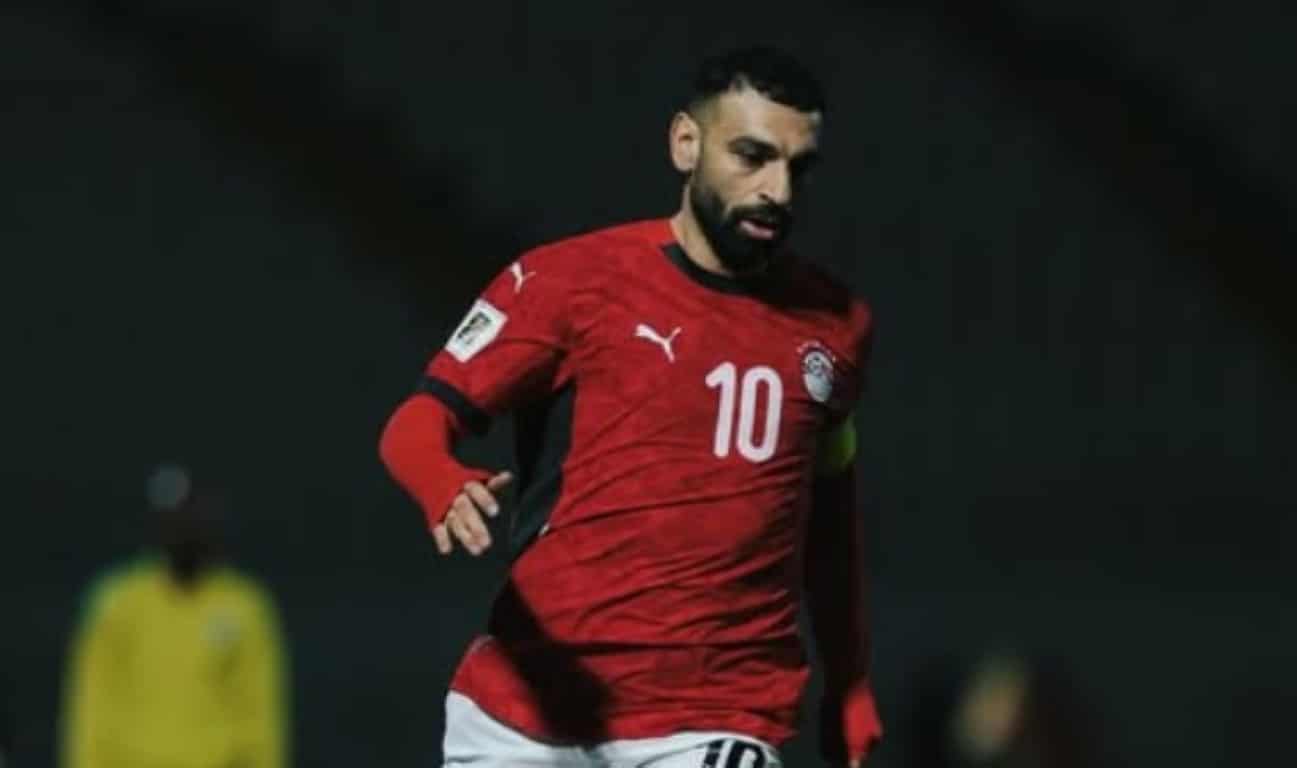
The Egyptian football team secured an unprecedented place in the round of 16 of the 2026 World Cup by overcoming Australia in a dramatic penalty shootout. After a 1-1 draw that persisted through 120 minutes of tense play, Egypt won 4-2 on penalties, with captain Mohamed Salah calmly and confidently converting his penalty.
Historic achievement for Egyptian football in exciting match
The victory marks a moment of glory for Egyptian football, which had never advanced to the knockout stages of the World Cup. Egypt, who had already won a match in the tournament for the first time in the group stage by defeating New Zealand 3-1, were confident in their pursuit of yet another feat. The tension was palpable throughout the confrontation in Texas, where the team led by Hossam Hassan, even with their star Mohamed Salah in an irregular phase, sought to qualify with determination. Salah, visibly moved, highlighted the importance of the victory for the country.
Emam Ashour opened the scoring for Egypt in the 13th minute of the first half, taking advantage of a precise cross from Karim Hafez and scoring his second goal of the competition. However, Australia unexpectedly equalized with an own goal from Mohamed Hany, who, unusually, registered his second own goal in the same edition of the tournament. Defender Hossam Abdelmaguid would seal qualification with the decisive penalty, bringing Salah to tears of joy after the triumph.
The Australian strategy in the penalty shootout
Faced with an imminent penalty shootout at the end of extra time, Australian coach Tony Popovic made a last-minute strategic change. He put experienced goalkeeper Mathew Ryan on the field, hoping his presence could make a difference in the shots. The bet, however, did not have the desired effect, despite the archer’s experience.
The series of penalties started with a disadvantage for the Socceroos. Shooting amid boos from the Egyptian fans, defender Harry Souttar missed the first penalty, putting the team in a delicate situation. After five successful kicks – including the penalty coolly and boldly taken by Salah – young Lucas Herrington, just 18 years old, hit the crossbar, paving the way for the Egyptian victory. Hossam Abdelmaguid remained calm to convert the decisive penalty, confirming Egypt’s advance.
Decisive moments in the penalty shootout
The sequence of the penalty shootout was crucial in defining the qualifier:
- Harry Souttar (Australia) wasted the first kick, shooting wide.
- Mohamed Salah (Egypt) converted his penalty with great calm.
- Lucas Herrington (Australia) hit the crossbar with his attempt.
- Hossam Abdelmaguid (Egypt) scored the penalty that sealed the 4-2 victory.
Striking plays and the impact of injuries during the match
The match was full of high-tension moments from the start, with both teams looking for the advantage. In the first five minutes, Cristian Volpato, who had recently left Italy for Australia on the eve of the World Cup, almost opened the scoring for the Socceroos, hitting the Egyptian crossbar. A little against the run of play, Hossam Hassan’s men took the lead with Ashour’s goal. Australian striker Nestory Irankunda was unable to intercept Ashour’s pass, who was well positioned to head in Karim Hafez’s cross.
The Socceroos had their first shot on target just 10 minutes before half-time when full-back Aziz Behich shot weakly into the hands of goalkeeper Mostafa Shoubir. Near half-time, full-back Jordan Bos, one of the fastest players in the tournament, had to be replaced due to injury after a strong challenge from Rabia, a serious blow to Australia’s hopes. At the beginning of the second half, Manchester City striker Omar Marmoush missed a clear chance to extend the score, shooting wide from close range. Goalkeeper Patrick Beach made a crucial save in stoppage time, preventing a Ramy goal and forcing extra time.
Salah’s leadership and Egyptian resilience
Even with a limited impact on playmaking during the 90 minutes and extra time, in part due to a thigh injury, Mohamed Salah’s leadership stood out at the decisive moment. The Egyptian striker revealed that he made the decision to take the penalty to inspire confidence in his teammates. “I told the boys before the game that this is the biggest stage you can play on. Enjoy it and don’t let the pressure get to you,” said Salah, visibly emotional after the game.
The Egyptian team demonstrated remarkable resilience throughout the match. The Egyptian coach had expressed caution about Australia’s physical approach, and that concern was confirmed when Mohamed Hany headed home under pressure from an inbound free-kick. However, Egypt overcame tension and their own mistakes, including Salah’s shot over the goal with his weaker right foot at the start of extra time, to secure a historic qualification.





