
Buckingham Palace vetoes hosting of the Duke of Sussex during engagements in England


The Duke of Sussex will face a new logistical and family hurdle on his upcoming return to his homeland. Representatives of the British monarchy have confirmed that there will be no release of any official property to house the youngest son of King Charles III during his visit to Europe. The determination highlights the growing gulf between the former senior member of royalty and the crown, in addition to reigniting debates about the protection protocols offered to him.
The main focus of the trip is participation in philanthropic events scheduled in the cities of London and Birmingham. The main commitment involves promoting a new stage of the Invictus Games, a sporting competition aimed at war veterans that has become the aristocrat’s great personal project. Without an official base to settle in, the visiting team will need to resort to high-cost private alternatives that guarantee the physical integrity of the group.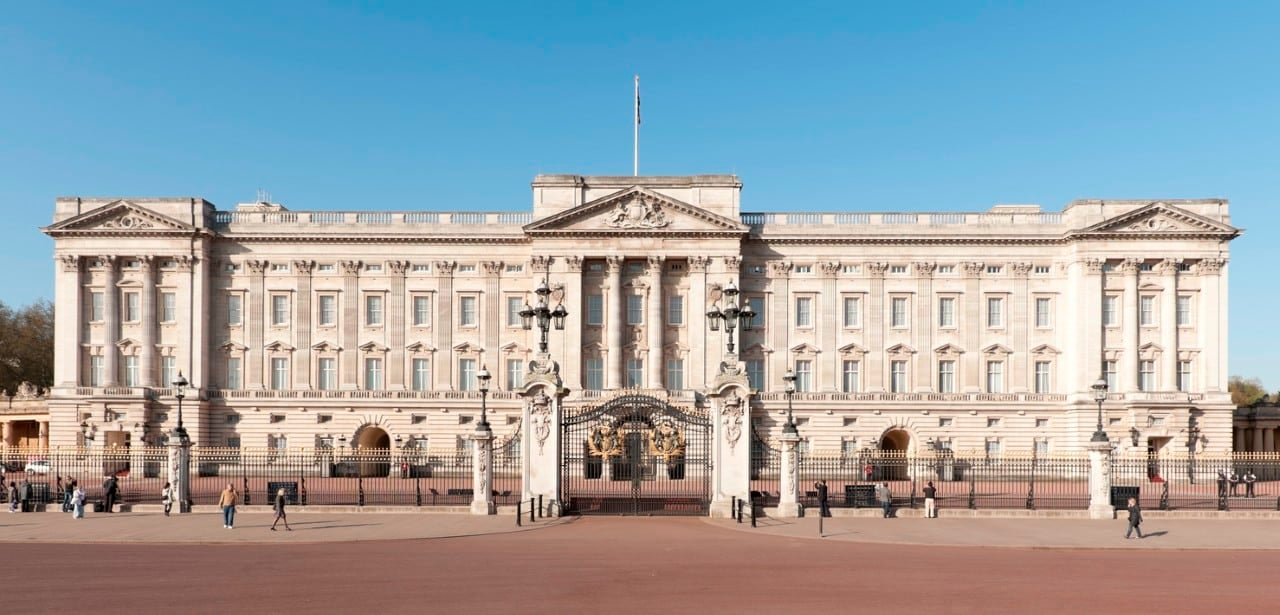
The entire organization of the itinerary has undergone upheavals in recent weeks due to communication failures between the teams. Rumors about a possible rapprochement gained momentum in the European press, but were quickly hushed up by official sources linked to the reigning monarch.
Confusion over invitation exposes fragility in internal royal relations
Hours before the veto was confirmed, media outlets reported that a room at Buckingham Palace had been offered and accepted by the visitor. This narrative suggested a possible thaw in family relations, especially considering the recent health problems faced by high-ranking members of the monarchy. However, the palace staff acted immediately to deny the information, ensuring that the doors of the royal residences remained closed to him.
This quick public rectification demonstrates the crown’s concern not to convey mixed messages about the duke’s current status. Since the publication of his autobiography and interviews with American broadcasters, trust between the parties has reached historically low levels. The refusal to provide a safe and controlled space for overnight stays reinforces that institutional rules are being applied rigorously, without exceptions based on blood ties.
Consequently, the logistics of getting around Britain’s streets become an operational nightmare for charity event organizers. Without the support of government facilities, planning requires the hiring of private intelligence companies to map routes and assess risks in visiting locations.
Legal dispute over armed escort prevents family members from attending appointments
The backdrop to this new housing crisis is the long battle waged against the British Home Office. When he abdicated his official duties in early 2020 to live in California, the committee responsible for the safety of public figures stripped the aristocrat of his right to around-the-clock taxpayer-funded police protection. Since then, he has tried to reverse the decision in court, arguing that the level of threat to his life did not decrease with the change of continent.
The absence of a robust state security scheme had a direct impact on the composition of the delegation that will disembark in Europe. The Duchess of Sussex and the couple’s two children will remain in the United States, as their father considers the British environment too dangerous for the family without the armed escort of the Metropolitan Police. On previous visits, he had to pay for private security guards, who do not have legal authority to carry firearms or intervene in local traffic.
Security experts point out that staying in a luxury hotel, no matter how exclusive, presents vulnerabilities that do not exist in castles or palaces guarded by the State. Exposure in lobbies, garages and common areas makes it easier for paparazzi and malicious individuals to approach, increasing the stress of the entire operation.
Loss of official residence in Windsor worsened dependence on hotels
The need to request shelter from relatives arose after a drastic decision taken by the Crown last year. King Charles III requested the return of the keys to Frogmore Cottage, the mansion located on the Windsor estate that had been gifted to the couple by the late Queen Elizabeth II. The property served as the family’s only safe and permanent refuge on British soil, with the entire security perimeter of the royal property.
Without this fixed address, any business trip or family visit requires complex and expensive hotel planning. The loss of Frogmore Cottage was interpreted by royal analysts as the definitive cutting of the last umbilical cord that linked the couple to the infrastructure of the monarchy. Now, the visitor is treated logistically like any other high-profile foreign citizen arriving in the country.
The financial impact of this change in status is considerable, as daily rates for presidential suites capable of accommodating protective teams reach tens of thousands of pounds. This cost falls entirely on the visitor’s personal funds, as the government and crown no longer subsidize their operating expenses.
Practical and symbolic impacts shape the future of European visits
The denial of accommodation goes beyond the mere issue of finding a bed to sleep during the event days. The act carries a clear institutional message that the privileges inherent to royalty are not available in an on-demand format to those who have chosen to leave the firm. This rigid stance by the institution indicates that future attempts at reconciliation will face severe bureaucratic barriers.
To understand the complexity of the current scenario, it is necessary to observe the multiple factors that make it difficult for aristocrats to have a presence in their country of origin:
- Lack of access to properties protected and monitored by the State.
- Prohibition of the use of armed police escorts funded by British taxes.
- Prior approval required for any meeting with the reigning monarch.
- Exorbitant costs with private protection and tactical intelligence companies.
- Risk of information leakage on routes and civilian accommodation locations.
Given this panorama, the tendency is for the public appearances of the founder of the Invictus Games in Europe to become increasingly rare and brief. The requirement to mount a war operation just to participate in charity meetings exhausts the team and limits the foundation’s ability to operate on the continent.
The episode consolidates the new reality of a man who grew up surrounded by the biggest protection schemes in the world and now needs to negotiate his own security in the private market. While the commitments in London and Birmingham remain confirmed, the behind-the-scenes of the trip reveal that the separation between the individual and the institution that trained him has reached a point of no return.





