
Experimental technique with infrared light destroys up to 99% of cancer cells in the laboratory

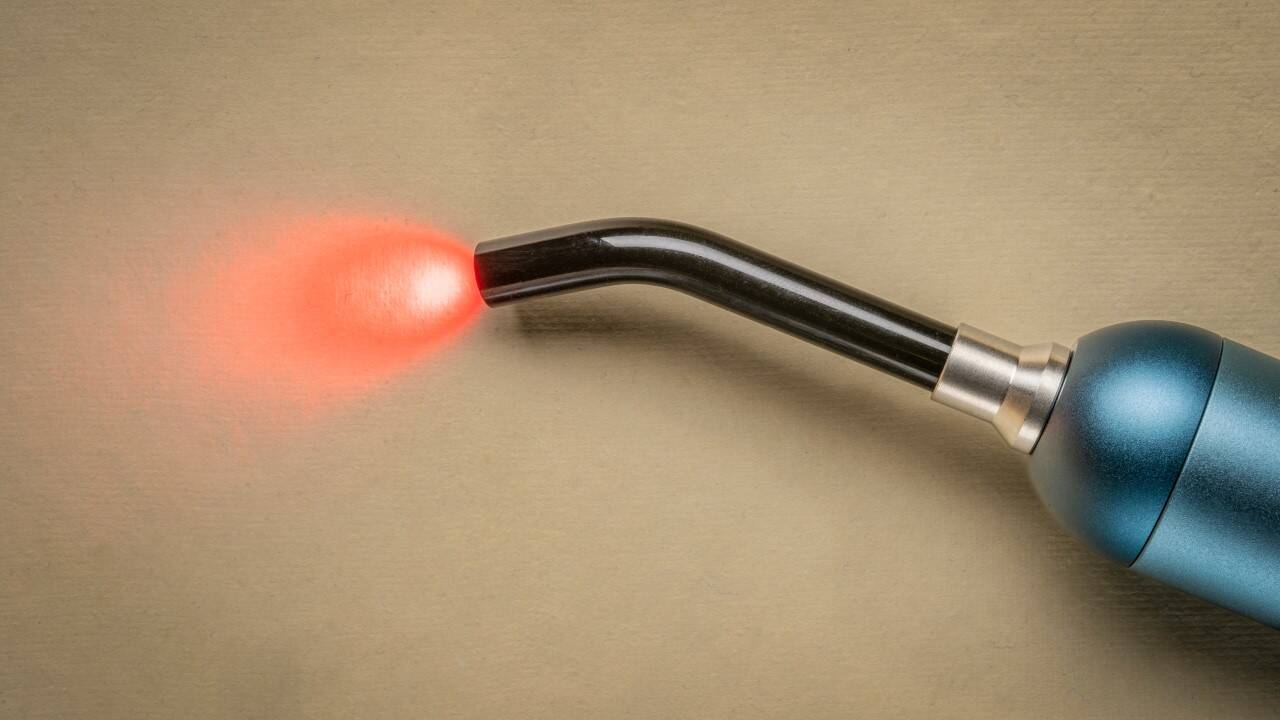
Recent scientific research is generating great interest by demonstrating the ability to eliminate up to 99% of cancer cells in laboratory tests. This pioneering method initially dispenses with traditional therapies such as chemotherapy, surgery or radiotherapy, according to preliminary data revealed by a study published by ScienceAlert.
Despite the promising results achieved, the scientists involved in the research emphasize that the implementation of this technique in human patients is still a distant horizon and requires additional studies.
How the “molecular pneumatic hammer” works
The methodology used, called “molecular pneumatic hammer”, uses molecules already known in medicine, aminocyanins. They are activated using near-infrared light, a spectrum range that has a greater ability to penetrate tissues.
Once activated, these molecules begin to vibrate at an extremely high speed, reaching approximately 40 trillion oscillations per second. This intense agitation is enough to physically fragment the membrane of cancer cells, annihilating them.
The innovative process unfolds as follows:
- It is based on dyes already used in medical examinations
- It is triggered by near infrared light
- Operates through mechanical vibration on a molecular scale
- Has the potential to destroy cells within minutes
In practice, the entire application of the technique takes place in a meticulously controlled laboratory environment, requiring a very high level of precision for its effectiveness.

First laboratory test results
Initial findings were detailed and published in the prestigious journal Nature Chemistry, showing an effectiveness of up to 99% in destroying cancer cells in cell cultures.
In experiments conducted with mice that had developed melanoma, half of the animals observed managed to completely recover from the disease after undergoing the new treatment.
“This study is about a different way of treating cancer using mechanical forces on a molecular scale,” said Ciceron Ayala-Orozco, a chemist at Rice University and a member of the research team, in an official statement.
Advantages of infrared light in the fight against cancer
One of the most notable aspects of this technique is the use of near-infrared light, which has the characteristic of traversing body tissues at a greater depth compared to visible light. This opens up the prospect of reaching internal regions of the body without the need for surgical interventions.
Aminocyanine molecules also play a crucial role in the treatment: they have a high affinity to bind to cells and maintain their stability until the moment of activation by light.
Challenges in reaching patients
Despite the promise, the technique has not yet been tested on humans. All research steps carried out to date have been restricted to in vitro studies and animal models, such as mice.
“It’s an entirely new generation of molecular machines,” commented James Tour, also from Rice University, highlighting the significant advance that this technology represents over previous approaches.
Additional investigations indicate that, when used in low doses, the molecules are quickly eliminated from the body, which can mitigate possible toxic effects. However, scientists reiterate that the journey to effective clinical application is still long and challenging.



