
Girl rescued from drowning in Getxo pool is hospitalized for emergency medical observation

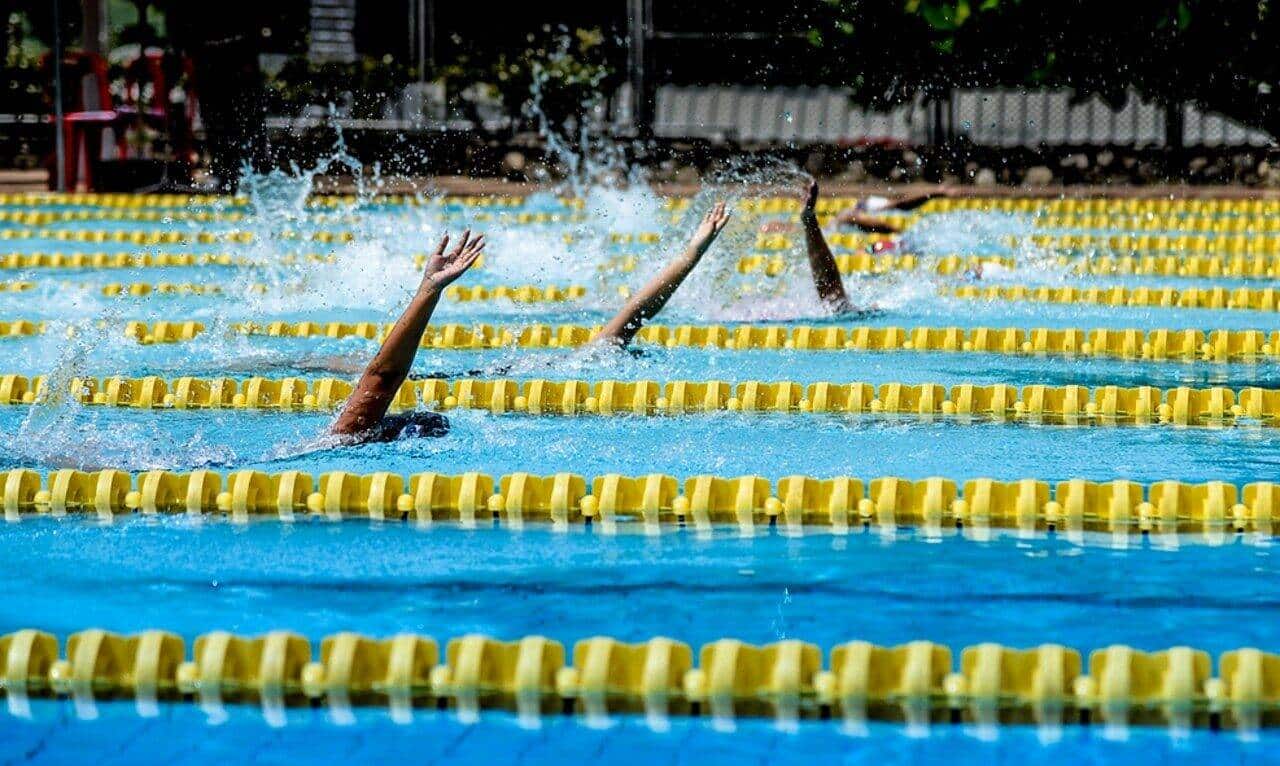
A young woman was quickly rescued last Sunday, July 6, 2026, after being removed from the Fadura Olympic swimming pool, in Getxo, where she showed signs of drowning. The quick action of the lifeguard teams was crucial in starting first aid at the sports complex, ensuring an efficient response to the emergency.
After being rescued from the water, the girl received initial medical assistance at the scene of the incident. Subsequently, she was promptly taken by ambulance to a hospital unit. There, she remained under observation overnight, as a precaution, and is now out of danger and in the process of recovery. Local authorities have maintained constant contact with the family since the incident.
Intensified surveillance in public water areas
The incident in Getxo, although with a positive outcome, highlights the importance of vigilance and prevention in aquatic spaces, especially during the months of greatest influx. Water safety experts often warn of the increased risk of child drownings in public and domestic swimming pools during the summer, a period when children spend more time in the water. Recent data from public health organizations indicate that drowning is one of the leading causes of accidental death among young children, highlighting the need for continued supervision by those responsible.
Reinforced security measures at the sports complex
After the incident, the administration of the Fadura complex reinforced the need for constant supervision by adults over children using the pool area. This measure aims to intensify prevention strategies and ensure that lifeguard teams can act with maximum efficiency in any emergency situation. Active supervision by parents or guardians is considered a crucial element for the safety of all users, helping to reduce risks and facilitating quick interventions.
Essential recommendations to prevent child drowning
To ensure the safety of children in swimming pools and other aquatic environments, it is essential that adults follow some basic guidelines. Prevention is the best tool to avoid serious accidents.
- Uninterrupted supervision:Never leave a child alone in the water, not even for a moment. Maintain eye contact and be an arm’s length away.
- Security barriers:Install fences around residential swimming pools, with gates that close and lock automatically, preventing unsupervised access.
- Swimming lessons:Encourage children to learn to swim from an early age. Although it does not eliminate the risk, the ability to swim can reduce the chances of drowning.
- Flotation equipment:Use life jackets approved for children, especially those who cannot swim, rather than arm floats or other inflatables that can deflate.
- First aid knowledge:Learn cardiopulmonary resuscitation (CPR) techniques. In the event of an emergency, knowing how to act can make a difference until help arrives.



